

What is Aquatherapy for Sciatica?
Sciatica is a condition in which pain travels along the path of the sciatic nerve, extending from the lower back through the hips and buttocks and, in many cases, down one leg. Some people experience a dull aching pain, while others may have sharp, shooting discomfort accompanied by tingling, numbness, or muscle weakness.
The symptoms of sciatica often make everyday activities difficult. Walking, sitting for long periods, climbing stairs, bending forward, or even getting out of bed may become uncomfortable. As a result, many people begin to avoid movement altogether, which can gradually lead to muscle weakness and reduced spinal stability.
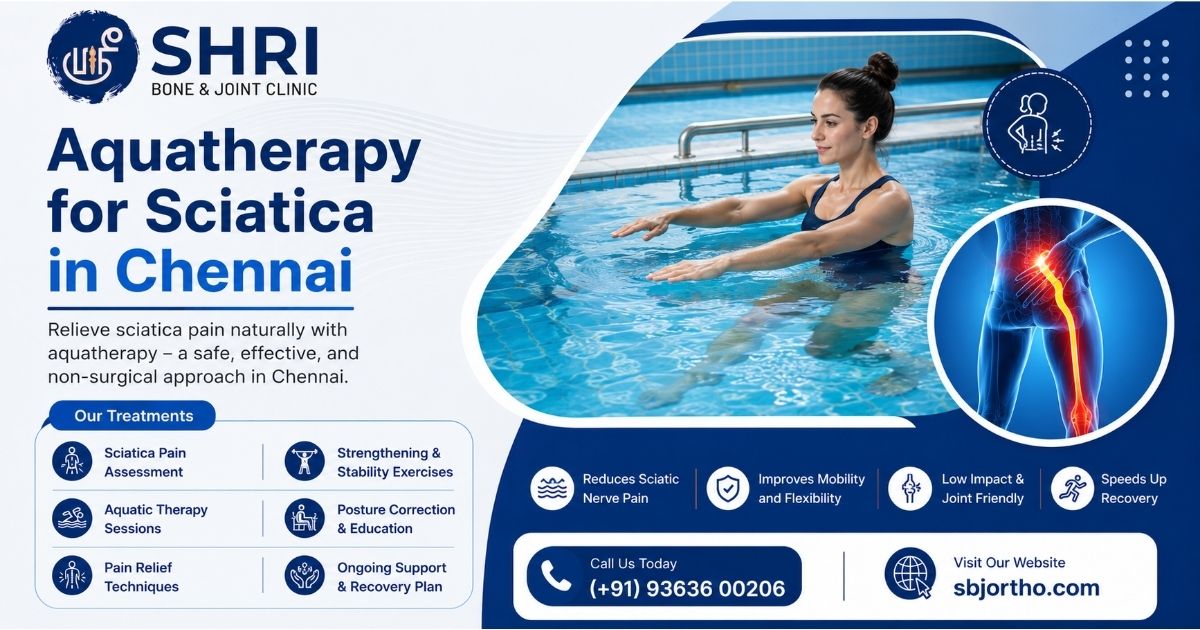
Aquatherapy offers a unique approach to rehabilitation by allowing patients to exercise in water rather than on land. The buoyancy of water supports a large portion of the body's weight, reducing the pressure placed on the spine, hips, and lower limbs. This makes movement more comfortable while still allowing the muscles to work effectively.
Unlike general swimming or recreational pool exercises, aquatherapy is a structured rehabilitation program carried out in a therapeutic pool under professional supervision. The exercises are designed to improve mobility, strengthen supporting muscles, enhance balance, and help individuals regain confidence in movement without placing excessive stress on the affected nerve.
For many patients, aquatherapy serves as an effective stepping stone between pain-limited movement and a return to normal daily activities.
When is it recommended?
Aquatherapy may be recommended for individuals whose sciatica symptoms limit their ability to participate comfortably in traditional land-based rehabilitation.
It may be beneficial for people experiencing:
- Sciatica caused by disc-related conditions
- Lower back pain with radiating leg pain
- Difficulty walking due to nerve irritation
- Stiffness affecting movement
- Reduced flexibility
- Muscle weakness after prolonged inactivity
- Pain during weight-bearing activities
- Recovery following acute episodes of sciatica
- Individuals requiring low-impact rehabilitation
- Patients progressing from early rehabilitation to strengthening exercises
The suitability of aquatherapy depends on the underlying cause of the sciatica and the patient's overall medical condition.
What are the benefits?
Water-based rehabilitation offers several unique advantages for individuals recovering from sciatica.
Some of the key benefits include:
- Reduces stress on the spine during exercise
- Supports comfortable movement in water
- Improves flexibility and mobility
- Strengthens muscles supporting the lower back
- Enhances balance and coordination
- Encourages better walking mechanics
- Improves confidence during movement
- Allows low-impact exercise with reduced joint loading
- Supports gradual return to everyday activities
- Promotes long-term spinal health
The goal is to improve overall function while helping patients remain active throughout the recovery process.





How is it performed?
Aquatherapy begins with a detailed assessment to understand the patient's symptoms, movement limitations, and rehabilitation goals.
The treatment plan is then tailored according to the individual's condition.
A typical program may include:
Walking Exercises
Walking in water allows patients to practise normal movement patterns with reduced pressure on the spine and lower limbs.
Mobility Exercises
Gentle exercises help improve flexibility of the lower back, hips, and legs while reducing stiffness.
Strengthening Exercises
Water provides natural resistance that allows muscles to strengthen without requiring heavy weights.
Balance Training
The supportive environment of the pool enables patients to safely improve balance and coordination.
Functional Movement Training
As recovery progresses, exercises become more dynamic and begin to resemble everyday activities such as stepping, turning, and controlled bending.
The intensity of the program is gradually increased according to the patient's comfort and progress.
What is the recovery process like?
Recovery from sciatica varies depending on the underlying cause and the severity of nerve irritation.
Early Phase
The initial goal is to improve movement confidence while minimising discomfort during activity.
Intermediate Phase
As mobility improves, strengthening exercises become a greater focus to improve spinal support and reduce recurring symptoms.
Patients often notice improvements in:
- Walking tolerance
- Standing comfort
- Lower back flexibility
- Leg movement
- Daily activities
Long-Term Phase
The final stage of rehabilitation focuses on maintaining strength, improving posture, and preventing future episodes of sciatica.
Regular exercise and healthy movement habits play an important role in long-term recovery.
How long does it take to recover?
Recovery depends on factors such as:
- Severity of nerve irritation
- Underlying spinal condition
- Duration of symptoms
- Age and physical fitness
- Consistency with rehabilitation
General recovery expectations include:
- Mild cases: 4 to 6 weeks
- Moderate cases: 6 to 12 weeks
- Long-standing conditions: Several months
Many individuals notice gradual improvements in movement and comfort when aquatherapy is combined with an appropriate rehabilitation program.
Which is the best hospital for Aquatherapy for Sciatica in Chennai?
For individuals looking for a low-impact rehabilitation program for sciatica, Shri Physio & Rehab offers structured aquatherapy sessions that focus on improving mobility, strengthening the supporting muscles, and helping patients return to everyday activities with greater confidence.
Depending on the patient's condition and stage of recovery, rehabilitation programs may also incorporate Strength Training for Back Pain in Chennai to improve spinal stability and support long-term functional recovery.
Who is the best doctor for Aquatherapy for Sciatica in Chennai?
Sciatica can develop due to several underlying spinal conditions, including disc-related problems, nerve irritation, spinal degeneration, or muscular imbalances. A detailed evaluation is important to identify the source of the symptoms before beginning rehabilitation.
Consulting an experienced Orthopedic Specialist in Chennai helps ensure that treatment is based on the underlying diagnosis and the patient's functional needs.
Dr. Shriram Krishnamoorthy at Shri Bone & Joint Clinic evaluates patients with sciatica and other spine-related conditions and recommends appropriate non-surgical rehabilitation strategies. For individuals requiring comprehensive conservative management, Sciatica Pain Relief Without Surgery in Chennai may also form an important part of the overall treatment plan.
What is the cost of Aquatherapy for Sciatica in Chennai?
| Category | Approx. Range (₹) |
| Non-surgical care / Diagnostics | ₹3,000 – ₹10,000 |
| Standard Therapy | Varies |
| Advanced Programs | Varies |
| Specialised Rehab | Varies |
| Physiotherapy & Rehab | ₹15,000 – ₹40,000 |
The overall cost depends on the severity of the condition, duration of the rehabilitation program, number of aquatherapy sessions required, and any additional treatments included in the recovery plan.
Some rehabilitation services may be covered under insurance depending on the policy and provider.

Better Health Care is Our Mission
Phone
Shri Bone & Joint clinic
No.14/31, 3rd Avenue Indira Nagar, Adyar, Chennai-600020
Phone: 044 4505 5509