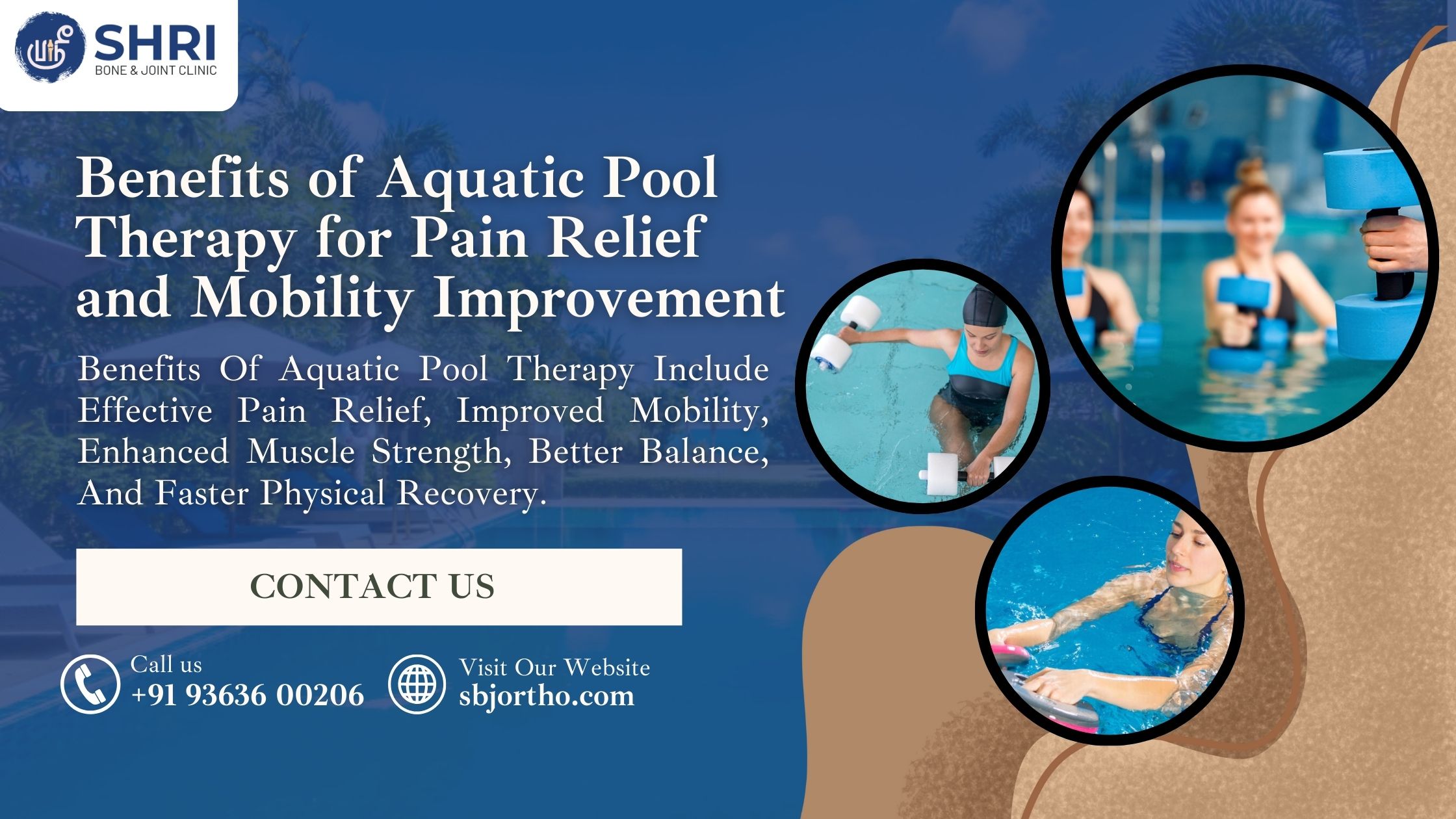
Pain and restricted movement are common challenges faced by people recovering from injuries, surgery, or long-term joint conditions. When conventional exercises feel difficult or uncomfortable, water-based rehabilitation offers a supportive alternative. Understanding the benefits of aquatic pool therapy helps patients choose safer and more comfortable ways to regain movement and reduce pain.
This article explains how aquatic pool therapy works, why it supports pain relief, and how it improves mobility across different age groups and conditions.
What Is Aquatic Pool Therapy?
Aquatic pool therapy is a rehabilitation method where therapeutic exercises are performed in a specially designed pool. Water supports the body, reduces stress on joints, and allows controlled movement. Unlike swimming, aquatic therapy focuses on guided, goal-oriented exercises rather than fitness or endurance training.
The pool environment is carefully managed to ensure comfort, safety, and effective rehabilitation.
How Aquatic Pool Therapy Helps Reduce Pain
Reduced Pressure on Joints
One of the key benefits of aquatic pool therapy is buoyancy. Water supports body weight, significantly reducing the load on painful joints such as the knees, hips, shoulders, and spine. This allows movement with less discomfort compared to exercises performed on land.
Gentle, Controlled Movement
Water slows down movement naturally, which helps prevent sudden or forceful joint motions. This controlled environment is especially helpful for patients experiencing sharp pain or joint instability.
Muscle Relaxation
Warm water promotes muscle relaxation and improves blood flow. Relaxed muscles reduce joint stiffness and help decrease pain associated with tight or overworked tissues.
Benefits of Aquatic Pool Therapy for Mobility Improvement
Improved Range of Motion
Aquatic pool therapy allows joints to move through a wider range without the fear of pain or falling. Patients often find it easier to bend, lift, or rotate joints in water than on land, especially during early recovery stages.
Safer Balance Training
Water provides natural support, making balance exercises safer. This is particularly useful for elderly individuals or patients recovering from lower limb injuries who may feel unstable on solid ground.
Gradual Strength Building
Water resistance strengthens muscles gently and evenly. This helps rebuild muscle support around joints, improving stability and movement control over time.
Conditions That Benefit From Aquatic Pool Therapy
Aquatic pool therapy is commonly used for:
- Joint pain and stiffness
- Arthritis-related mobility issues
- Post-surgical rehabilitation
- Sports injuries
- Spine-related discomfort
- Shoulder and knee movement limitations
- Age-related decline in mobility
Patients who cannot tolerate full weight-bearing exercises often benefit the most.
Aquatic Pool Therapy vs Land-Based Therapy
Land-based physiotherapy remains essential for long-term strength and function. However, aquatic pool therapy offers unique advantages during painful or early recovery phases. Water-based exercises help patients begin movement sooner and with greater comfort. As recovery progresses, therapy plans often transition gradually from water to land.
This combined approach supports steady and safer improvement.
Who Can Consider Aquatic Pool Therapy?
Aquatic pool therapy is suitable for many individuals, including older adults, post-surgical patients, and those with chronic joint pain. However, suitability depends on overall health, wound status, and medical conditions. Proper assessment ensures safe participation in water-based therapy.
Accessing Structured Aquatic Pool Therapy Programs
Well-structured programs such as Aquatic Pool Therapy in Chennai focus on guided exercises, controlled progression, and patient safety. These programs are designed to address pain relief and mobility improvement through supervised water-based rehabilitation.
Conclusion
The benefits of aquatic pool therapy include reduced pain, improved mobility, safer movement, and gradual strength development. By combining buoyancy, resistance, and muscle relaxation, aquatic therapy creates an ideal environment for joint recovery and functional improvement.
For individuals struggling with pain or limited movement, aquatic pool therapy can be an effective and comfortable step in the rehabilitation journey.