

What is a Hand Bone Fracture?
A hand bone fracture is a break or crack affecting one or more of the bones in the hand. Because the hand contains several small bones, joints, tendons, ligaments, nerves, and blood vessels within a compact area, even a seemingly minor fracture can affect grip, finger movement, and everyday hand function.
The hand contains 27 bones, including the eight carpal bones of the wrist, five metacarpal bones forming the palm, and fourteen phalanges forming the fingers and thumb. Fractures can occur in different locations and vary considerably in severity.
Some fractures remain well aligned and may heal with immobilisation. Others cause the bone fragments to move out of position, extend into a joint, or occur together with damage to surrounding soft tissues. These injuries may require reduction or surgery to restore appropriate alignment.
Common symptoms of a hand fracture include:
- Pain after an injury
- Swelling
- Bruising
- Tenderness
- Difficulty moving a finger or thumb
- Reduced grip strength
- Visible deformity
- Pain while holding objects
- Difficulty making a fist
Hand Bone Fracture Treatment in Chennai depends on which bone is injured, the fracture pattern, alignment, joint involvement, stability, and whether surrounding structures have also been damaged.
The overall objective is not simply to heal the bone. Treatment should also aim to preserve useful hand movement, strength, alignment, and function.
When is Hand Bone Fracture Treatment needed?
Any suspected hand fracture should be appropriately assessed, particularly when symptoms develop after a fall, sports injury, accident, direct impact, or twisting injury.
Evaluation is particularly important when there is:
- Significant swelling after an injury
- Persistent pain over a hand bone
- Difficulty moving a finger
- Difficulty making a fist
- Reduced grip strength
- Visible deformity
- A finger that appears rotated or misaligned
- Severe bruising
- Numbness or altered sensation
- An open wound near the suspected fracture
- Pain that does not improve after an injury
Some fractures may initially be mistaken for sprains because the patient can still move the fingers.
Being able to move the hand does not necessarily rule out a fracture.
Early evaluation is especially important for fractures involving a joint because poor alignment may affect long-term joint movement and increase the risk of stiffness or post-traumatic arthritis.
What are the benefits of proper Hand Bone Fracture Treatment?
Correct fracture management is important because the hand performs highly precise movements during everyday life.
Restores Bone Alignment
When a fracture has displaced, restoring appropriate alignment helps the bone heal in a more functional position.
Protects Hand Function
Hand fractures can affect grip, pinch strength, and finger movement.
Appropriate treatment aims to preserve these functions as healing occurs.
Reduces the Risk of Deformity
Certain fractures can heal in an abnormal position if alignment is not recognised or maintained.
This may alter the appearance or function of the finger or hand.
Helps Preserve Joint Movement
Fractures extending into a joint require particular attention because irregular joint surfaces may contribute to stiffness and future discomfort.
Supports Earlier Rehabilitation
Stable fracture management allows rehabilitation to begin at an appropriate stage.
This is important because prolonged unnecessary immobilisation can contribute to stiffness.
Reduces Long-Term Complications
Proper assessment and follow-up can help identify problems such as loss of alignment, delayed healing, stiffness, tendon problems, or nerve symptoms before they become more difficult to manage.







How is a Hand Bone Fracture treated?
Treatment begins by identifying the exact location and pattern of the fracture.
Step 1: Clinical Examination
The doctor examines the injured hand for:
- Swelling
- Tenderness
- Bruising
- Deformity
- Finger alignment
- Range of movement
- Sensation
- Circulation
Finger rotation is particularly important. A fracture may appear relatively straight while the hand is open but cause one finger to overlap another when making a fist.
Step 2: Imaging
X-rays are commonly used to confirm a fracture and evaluate:
- Location
- Displacement
- Angulation
- Joint involvement
- Number of fracture fragments
Additional imaging may occasionally be needed for complex injuries.
Step 3: Immobilisation
Stable, well-aligned fractures may be treated using an appropriate:
- Splint
- Brace
- Cast
Immobilisation protects the injured area while the bone begins to heal.
The exact position and duration depend on the bone involved.
Step 4: Reduction When Necessary
If the fracture fragments have moved out of position, the doctor may need to realign them.
In suitable cases, this can sometimes be performed without an open surgical procedure.
The alignment is then maintained using immobilisation and monitored during healing.
Step 5: Surgery for Unstable or Complex Fractures
Surgery may be required when the fracture:
- Is significantly displaced
- Is unstable
- Cannot maintain acceptable alignment
- Extends significantly into a joint
- Is associated with an open wound
- Involves multiple fragments
- Causes important rotational deformity
Depending on the fracture, fixation may involve pins, screws, plates, or other devices.
The objective is to restore sufficient stability and alignment for healing and eventual movement.
What is the recovery process like?
Recovery from a hand fracture involves both bone healing and restoration of hand function.
This distinction is important.
A fracture can heal on an X-ray while the hand remains stiff or weak if movement and rehabilitation have not progressed appropriately.
Early Protection
During the initial stage, the fracture is protected to allow healing.
Swelling management and appropriate movement of unaffected joints may be encouraged.
Monitoring the Fracture
Follow-up may include clinical examination and repeat imaging when required.
This helps confirm that alignment remains acceptable during healing.
Beginning Movement
When the fracture is sufficiently stable, controlled movement may begin according to medical advice.
The timing varies according to fracture type.
Beginning too early can compromise an unstable fracture, while immobilising certain injuries for unnecessarily long periods may contribute to stiffness.
Restoring Range of Motion
Rehabilitation may focus on improving:
- Finger bending
- Finger straightening
- Thumb movement
- Wrist movement
- Tendon gliding
Exercises are progressed according to healing.
Restoring Strength
Once appropriate healing has occurred, strengthening can gradually begin.
Activities may focus on:
- Grip strength
- Pinch strength
- Wrist strength
- Finger control
- Functional hand use
Returning to Normal Activities
Later rehabilitation is based on what the individual needs to do.
This may include returning to:
- Office work
- Writing or typing
- Household activities
- Driving
- Manual occupations
- Gym activities
- Sports
The hand should be progressively prepared for these demands rather than returning abruptly to heavy activity.
How long does a Hand Bone Fracture take to recover?
There is no single recovery timeline for every hand fracture.
Many uncomplicated fractures show substantial bone healing over approximately 4–8 weeks, but this varies according to the bone involved, fracture pattern, age, overall health, and treatment required.
Functional recovery may take longer.
A broad recovery pattern can include:
First Few Weeks
Pain and swelling gradually reduce while the fracture is protected.
Around 4–8 Weeks
Many uncomplicated fractures demonstrate progressive healing, although the exact timing varies.
Around 6–12 Weeks
Movement and strength may progressively improve as rehabilitation advances.
Beyond 3 Months
More complex fractures, injuries involving joints, or fractures requiring surgery can require longer rehabilitation.
Grip strength and fine hand function may continue improving even after the bone has healed.
Factors that can affect recovery include:
- Fracture severity
- Displacement
- Joint involvement
- Smoking
- Diabetes or other health conditions
- Age
- Bone quality
- Rehabilitation
- Additional tendon, ligament, nerve, or soft-tissue injuries
Patients should therefore follow individual medical guidance rather than relying solely on a standard healing timeline.

Which is the best hospital for Hand Bone Fracture Treatment in Chennai?
A centre treating hand fractures should be able to evaluate not only whether a bone is broken but also its alignment, stability, joint involvement, and impact on hand function.
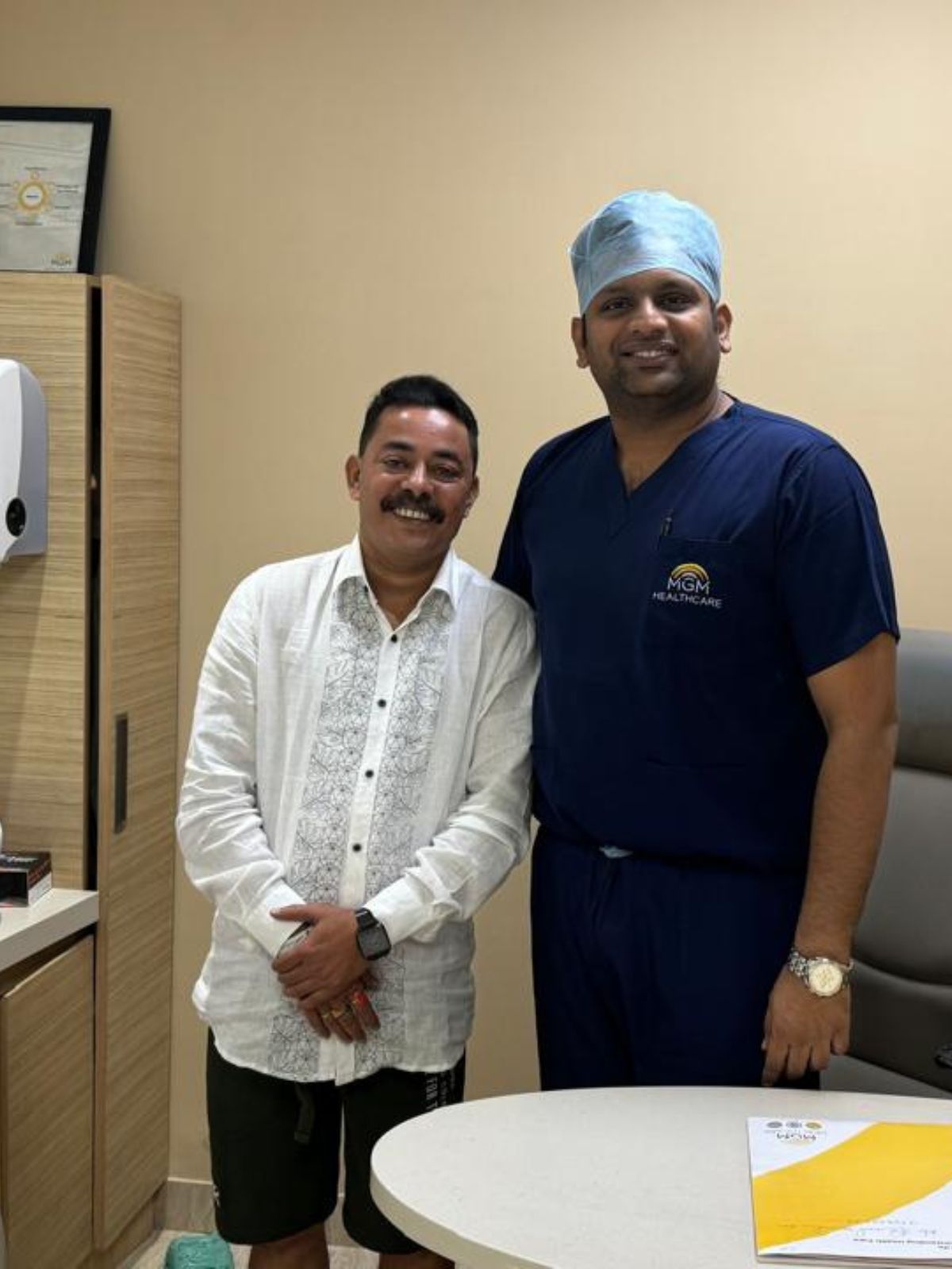
At Shri Bone & Joint Clinic, patients with hand fractures and other orthopedic injuries can be evaluated to determine whether immobilisation, fracture reduction, surgery, or rehabilitation is appropriate.
Bone and joint problems often become more complex with age. Patients experiencing significant hip arthritis alongside other musculoskeletal conditions can also be evaluated for Total Hip Replacement in Chennai, while individuals with reduced bone strength or fractures occurring after relatively minor trauma may require assessment for Osteoporosis Treatment in Chennai.
Identifying poor bone health can be particularly important when a fracture occurs after a low-impact fall.
Who is the best doctor for Hand Bone Fracture Treatment in Chennai?
Hand fractures can range from straightforward stable injuries to complex fractures affecting joints, tendons, nerves, or multiple bones. Appropriate assessment helps determine which injuries can be safely immobilised and which require more active intervention.
An experienced Orthopedic Specialist in Chennai can examine the hand, review appropriate imaging, assess alignment and stability, and recommend treatment based on the fracture pattern.
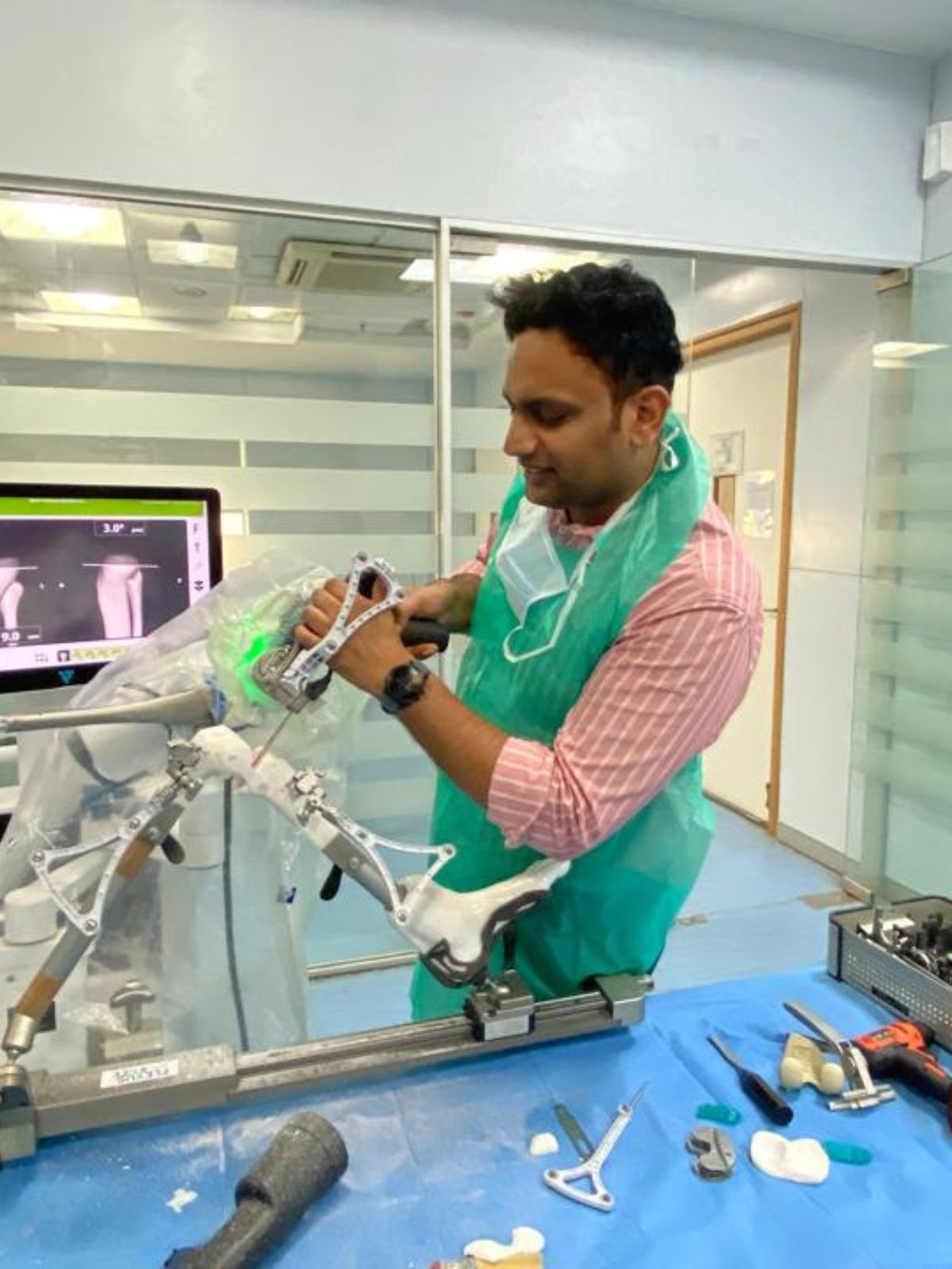
Dr. Shriram Krishnamoorthy at Shri Bone & Joint Clinic evaluates fractures and other musculoskeletal conditions and guides treatment according to the patient's injury and functional requirements.
For patients who also experience advanced knee arthritis affecting mobility and independence, Total Knee Replacement in Chennai may be considered separately when conservative treatment is no longer sufficient and the knee joint is significantly damaged.
What is the cost of Hand Bone Fracture Treatment in Chennai?
The cost depends on the bone involved, fracture severity, imaging requirements, type of immobilisation, whether reduction is required, and whether surgery or rehabilitation is necessary.
| Category | Approx. Range (₹) |
| Non-surgical care / Diagnostics | ₹3,000 – ₹10,000 |
| Standard Therapy | Varies |
| Advanced Programs | Varies |
| Specialised Rehab | Varies |
| Physiotherapy & Rehab | ₹15,000 – ₹40,000 |
Simple fractures managed with a splint or cast generally involve different costs from displaced or complex fractures requiring surgical fixation.
Additional expenses may include imaging, hospital charges, implants where required, medications, follow-up appointments, and rehabilitation.
Health insurance may cover fracture treatment and surgery depending on the patient's policy. Coverage for outpatient consultations, imaging, braces, implants, hospitalisation, and rehabilitation should be confirmed directly with the insurer.

Better Health Care is Our Mission
Phone
Shri Bone & Joint clinic
No.14/31, 3rd Avenue Indira Nagar, Adyar, Chennai-600020
Phone: 044 4505 5509