
What is Robotic Treatment for Spine?
Spine-related problems can significantly affect a person's ability to work, exercise, travel, and perform everyday activities. Conditions such as disc problems, nerve compression, chronic back pain, neck pain, and degenerative changes in the spine often require a structured rehabilitation approach to improve function and quality of life.
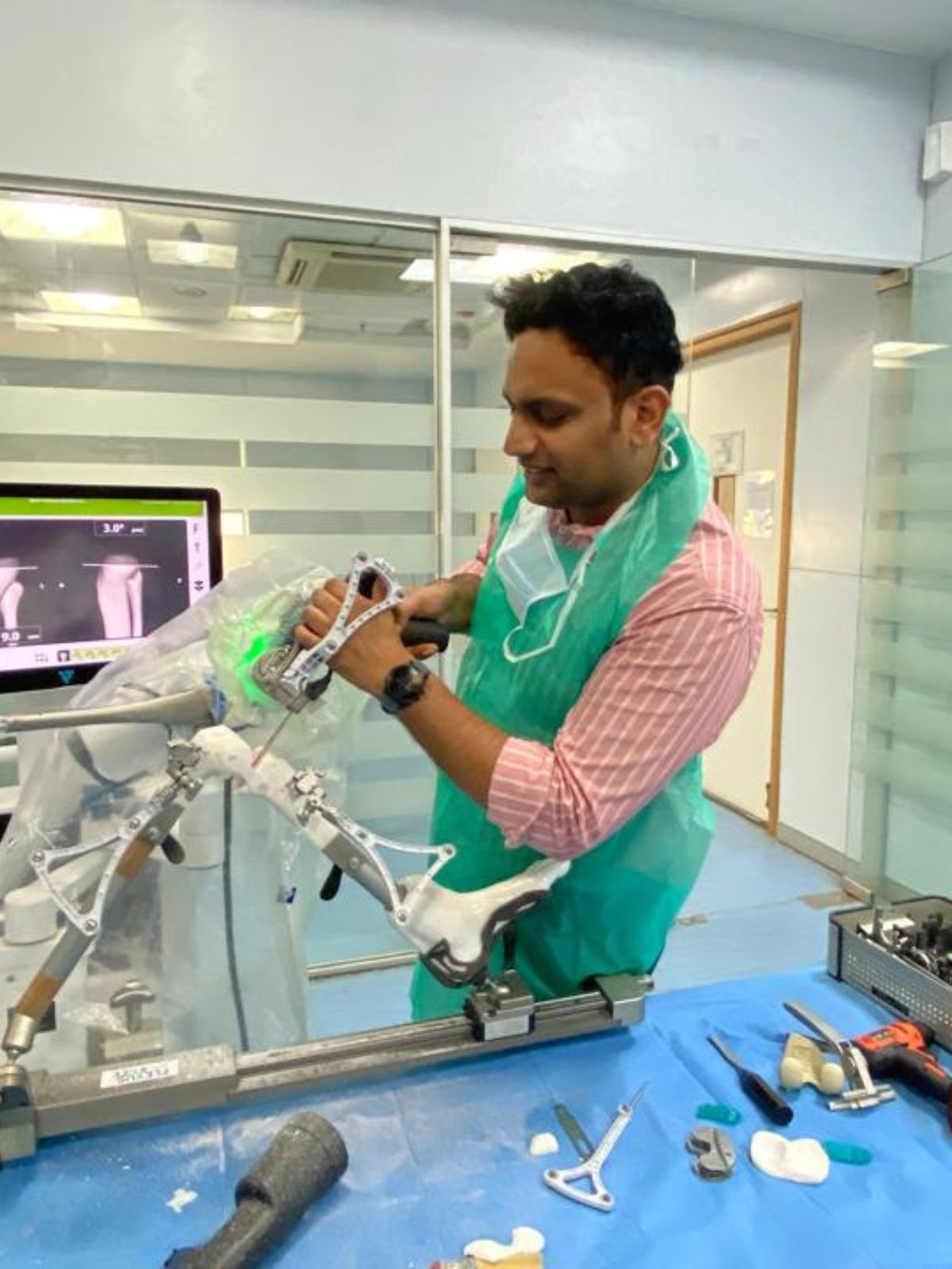
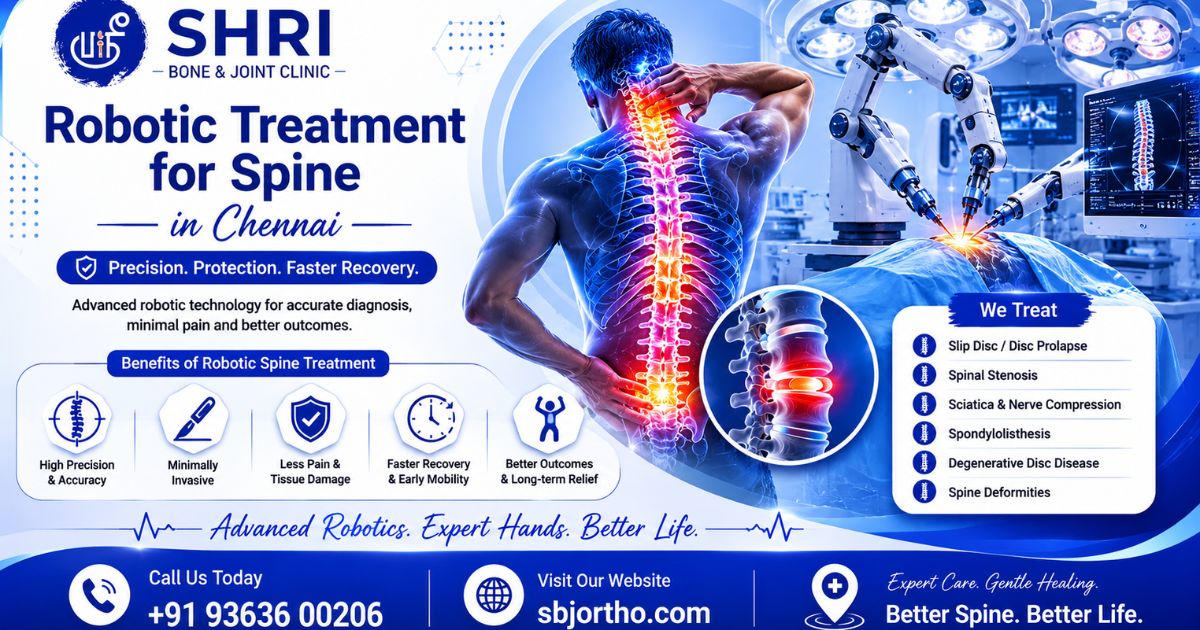
Robotic treatment for the spine is an advanced rehabilitation method that uses technology-assisted systems to deliver highly controlled and precise spinal therapy. Unlike traditional approaches that rely entirely on manual techniques, robotic systems are designed to monitor, adjust, and deliver treatment based on the patient's condition and response.
The objective is to reduce pressure on spinal structures, improve movement, support recovery, and help patients manage spine-related conditions without surgery whenever appropriate.
By combining precision technology with rehabilitation principles, robotic spine treatment aims to create a safer and more consistent treatment experience.
When is it recommended?
Robotic spine treatment may be recommended for patients experiencing ongoing spinal symptoms that affect their daily activities and quality of life.
It may be beneficial for:
- Chronic lower back pain
- Persistent neck pain
- Disc bulges and disc-related conditions
- Sciatica and nerve-related symptoms
- Degenerative spinal changes
- Reduced spinal mobility
- Stiffness affecting movement
- Spine-related functional limitations
- Individuals seeking non-surgical rehabilitation options
The suitability of robotic treatment depends on the diagnosis, severity of symptoms, and overall health of the patient.
What are the benefits?
Robotic-assisted spine rehabilitation offers several potential benefits when used as part of a structured treatment plan.
Some of the key advantages include:
- Delivers precise and controlled treatment
- Reduces pressure on spinal structures
- Helps improve spinal mobility
- Supports non-surgical recovery pathways
- Improves treatment consistency
- Allows personalised adjustments during therapy
- Helps reduce discomfort during rehabilitation
- Supports gradual return to normal activities
- Can be combined with other rehabilitation techniques
Many patients appreciate the predictable and controlled nature of robotic-assisted treatment.


How is it performed?
Robotic spine treatment begins with a comprehensive assessment to identify the cause of symptoms and determine whether the patient is a suitable candidate.
The evaluation typically includes:
- Pain assessment
- Functional movement analysis
- Review of imaging reports when available
- Mobility and flexibility assessment
During treatment:
- The patient is positioned comfortably on a specialised system
- The targeted spinal region is identified
- The robotic system applies controlled therapeutic forces
- Treatment parameters are adjusted based on patient response
The process is designed to be gradual and controlled, avoiding sudden or excessive stress on the spine.
Depending on the condition, robotic therapy may be combined with physiotherapy, strengthening exercises, and rehabilitation programs.
What is the recovery process like?
Recovery is usually progressive and depends on the nature of the spinal condition.
In the early stages, treatment focuses on reducing pain, improving comfort, and restoring movement. As symptoms improve, rehabilitation shifts toward strengthening and improving functional abilities.
Patients often experience improvements in:
- Daily mobility
- Sitting and standing tolerance
- Walking comfort
- Overall movement confidence
The recovery process is individualized and may vary from one person to another.
How long does it take to recover?
Recovery timelines depend on the severity of the condition, duration of symptoms, and consistency of treatment.
General recovery expectations may include:
- Mild spine conditions: 4 to 6 weeks
- Moderate conditions: 6 to 12 weeks
- Long-standing or complex conditions: Several months
Patients who actively participate in rehabilitation programs often achieve better outcomes.
Which is the best hospital for Robotic Treatment for Spine in Chennai?
For individuals seeking advanced non-surgical spine rehabilitation, Shri Physio & Rehab offers structured treatment programs that combine robotic technology with evidence-based rehabilitation strategies.
Depending on the patient's condition and movement limitations, treatment plans may also incorporate Strength Training for Arthritis in Chennai and Aquatherapy for Chondromalacia in Chennai when joint function, mobility, and overall physical conditioning are important components of recovery.
Who is the best doctor for Robotic Treatment for Spine in Chennai?
Spinal conditions can vary significantly from person to person. Proper diagnosis is essential before selecting the most suitable treatment pathway.
Consulting an experienced Orthopedic Specialist in Chennai helps identify the root cause of symptoms and determine whether robotic-assisted rehabilitation is appropriate.
Dr. Shriram Krishnamoorthy at Shri Bone & Joint Clinic evaluates spine-related conditions and guides patients toward appropriate treatment and rehabilitation plans. In cases involving disc-related problems, Robotic Treatment for Disc Bulge in Chennai may also be considered as part of a comprehensive spine rehabilitation strategy.
What is the cost of Robotic Treatment for Spine in Chennai?
| Category | Approx. Range (₹) |
| Non-surgical care / Diagnostics | ₹3,000 – ₹10,000 |
| Standard Therapy | Varies |
| Advanced Programs | Varies |
| Specialised Rehab | Varies |
| Physiotherapy & Rehab | ₹15,000 – ₹40,000 |
The total cost depends on the severity of the spinal condition, duration of rehabilitation, number of treatment sessions, and any additional therapies included in the program.
Some rehabilitation services may be partially covered under insurance depending on the policy and provider.

Better Health Care is Our Mission
Phone
Shri Bone & Joint clinic
No.14/31, 3rd Avenue Indira Nagar, Adyar, Chennai-600020
Phone: 044 4505 5509