

What is Therapeutic Yoga?
Therapeutic yoga is a structured form of yoga in which movements, postures, breathing exercises, and relaxation techniques are adapted according to an individual's physical condition and functional needs.
It is different from attending a general yoga class where everyone may be expected to follow the same sequence. A person recovering from knee pain, for example, may not be comfortable performing the same movements as someone who wants to improve general flexibility. Therapeutic yoga takes these differences into account.
The focus is also not on achieving difficult postures or increasing flexibility as quickly as possible. Instead, movements are selected to improve mobility, muscle control, balance, breathing, posture, and confidence in a gradual manner.
This makes therapeutic yoga useful within rehabilitation for people who have become less active because of pain, stiffness, arthritis, age-related changes, or other musculoskeletal problems.
Sessions may include gentle mobility exercises, modified yoga postures, controlled strengthening, breathing techniques, balance exercises, and relaxation. The exact combination depends on the person's symptoms and abilities.
For people recovering from musculoskeletal problems, therapeutic yoga can form one part of a wider rehabilitation program alongside physiotherapy, strength training, aquatherapy, or other treatments when required.
When is Therapeutic Yoga recommended?
Therapeutic yoga may be considered when pain, stiffness, weakness, or reduced mobility makes normal physical activity more difficult.
Depending on the individual's condition, it may be useful for people experiencing:
- Persistent neck stiffness
- Lower back discomfort
- Knee pain
- Arthritis-related stiffness
- Reduced flexibility
- Muscle weakness
- Poor balance
- Reduced mobility after a period of inactivity
- Posture-related discomfort
- Age-related movement limitations
- Difficulty returning to regular exercise
- Reduced confidence with physical activity
- General loss of strength and mobility
It can also be useful for people who want a more controlled way of becoming physically active after a period of inactivity.
However, therapeutic yoga is not automatically appropriate for every painful condition. Recent fractures, severe acute injuries, significant neurological symptoms, or certain post-operative conditions may require medical evaluation and a different stage of rehabilitation first.
The program should therefore be based on the individual's diagnosis rather than simply on the location of pain.
What are the benefits of Therapeutic Yoga?
Therapeutic yoga can support several aspects of physical rehabilitation when exercises are selected appropriately.
Improves Mobility
Pain and inactivity can gradually reduce movement.
Gentle, controlled yoga movements can help maintain or improve mobility without forcing joints beyond a comfortable range.
Improves Flexibility
Muscle tightness may make everyday activities such as bending, reaching, turning, or walking feel more difficult.
Progressive stretching can improve flexibility while allowing the body time to adapt.
Builds Functional Strength
Therapeutic yoga is not only about stretching.
Many modified postures require controlled muscle activity and can help strengthen the legs, hips, core, shoulders, and postural muscles.
Supports Balance
Balance becomes increasingly important with age and after periods of reduced activity.
Selected standing and transitional movements can help improve body awareness, stability, and coordination.
Improves Postural Awareness
Rather than trying to maintain one rigid "correct posture" throughout the day, therapeutic yoga can help people become more aware of how they sit, stand, breathe, and move.
Encourages Controlled Breathing
Breathing exercises are commonly incorporated into therapeutic yoga.
Slower, controlled breathing can support relaxation and help patients coordinate breathing with movement.
Builds Confidence in Movement
People who have experienced pain for several months may become hesitant to move.
Starting with manageable exercises can help rebuild confidence and gradually reduce unnecessary fear around physical activity.









How is Therapeutic Yoga performed?
Therapeutic yoga should begin with an understanding of the person's physical condition rather than immediately starting a standard sequence of yoga postures.
An initial assessment may consider:
- Pain location
- Joint mobility
- Muscle strength
- Balance
- Flexibility
- Posture
- Previous injuries
- Surgical history
- Current activity levels
- Functional limitations
- Individual rehabilitation goals
A personalised program can then be developed.
Gentle Mobility Exercises
Sessions often begin with controlled movements designed to reduce stiffness and prepare the body for exercise.
The range of movement is adapted according to comfort rather than pushing into pain.
Modified Yoga Postures
Traditional yoga postures may be modified using:
- Chairs
- Walls
- Supports
- Smaller movement ranges
- Alternative positions
These modifications allow patients with limited mobility to participate without trying to perform positions that are currently unsuitable.
Strength and Stability Exercises
Certain yoga movements require the muscles to support and control the body.
These exercises may target the:
- Core
- Hips
- Thighs
- Upper back
- Shoulders
The difficulty can be gradually increased as strength improves.
Balance Training
Balance exercises may begin with additional support.
As confidence develops, the level of assistance can gradually be reduced where appropriate.
Breathing Exercises
Controlled breathing may be incorporated between or during movements.
This helps patients avoid holding their breath during effort and encourages a calmer, more controlled exercise experience.
Relaxation
Sessions may finish with relaxation or gentle breathing techniques.
For people whose muscles remain tense because of persistent discomfort, learning to relax after activity can be a useful part of rehabilitation.
What is the recovery process like?
Therapeutic yoga generally works through gradual improvement rather than rapid changes.
The program develops according to the patient's starting ability.
Early Stage
The initial focus is usually on learning comfortable movements and understanding physical limitations.
Exercises are kept simple, particularly for people who have not exercised recently.
Mobility Stage
As confidence increases, the program gradually works on improving joint movement and flexibility.
Patients may notice that everyday activities begin to feel easier.
Strength and Balance Stage
More demanding postures and controlled strengthening exercises can be introduced as the body adapts.
The aim is not to make the exercises difficult for the sake of difficulty. Each progression should have a functional purpose.
Functional Stage
Improvements should eventually be reflected in everyday life.
Depending on the individual, this may mean:
- Walking more comfortably
- Climbing stairs
- Turning the neck more easily
- Getting up from a chair
- Bending with greater confidence
- Returning to recreational activity
Long-Term Practice
Therapeutic yoga can gradually become part of a person's regular physical activity.
Once appropriate movements have been learned, maintaining consistent practice may help preserve flexibility, strength, balance, and general mobility.
How long does it take to see improvement?
There is no fixed timeline because therapeutic yoga may be used for very different conditions.
As a general guide:
- Mild stiffness or reduced flexibility: around 3 to 6 weeks
- Persistent musculoskeletal problems: around 6 to 12 weeks
- Long-standing mobility limitations: several months of progressive practice may be required
Some people notice that they feel less stiff or move more comfortably within the first few weeks. Improvements in strength, balance, and overall physical capacity usually require more consistent practice.
Progress depends on:
- Age
- Diagnosis
- Duration of symptoms
- Current strength
- Flexibility
- General fitness
- Frequency of practice
- Other medical or musculoskeletal conditions
Rather than focusing only on pain, progress can also be measured through improved mobility, balance, confidence, and ability to perform everyday activities.

Which is the best hospital for Therapeutic Yoga in Chennai?
When therapeutic yoga is being used for pain or rehabilitation, the program should take the underlying musculoskeletal condition into account rather than following a general yoga routine.
At Shri Physio & Rehab, therapeutic yoga can be adapted according to the patient's mobility, strength, joint condition, and rehabilitation goals.
For people whose symptoms primarily affect the cervical spine, Yoga Therapy for Neck Pain in Chennai may be incorporated into a condition-specific program. Similarly, patients experiencing joint stiffness and mobility limitations may benefit from principles used in Yoga Therapy for Arthritis in Chennai, depending on their diagnosis and physical ability.
Who is the best doctor for Therapeutic Yoga in Chennai?
Therapeutic yoga is a form of movement-based rehabilitation, but persistent pain should still be properly evaluated before beginning a new exercise program.
An Orthopedic Specialist in Chennai can assess whether symptoms are related to arthritis, joint problems, spinal conditions, previous injuries, or other musculoskeletal causes and determine whether therapeutic exercise is appropriate.
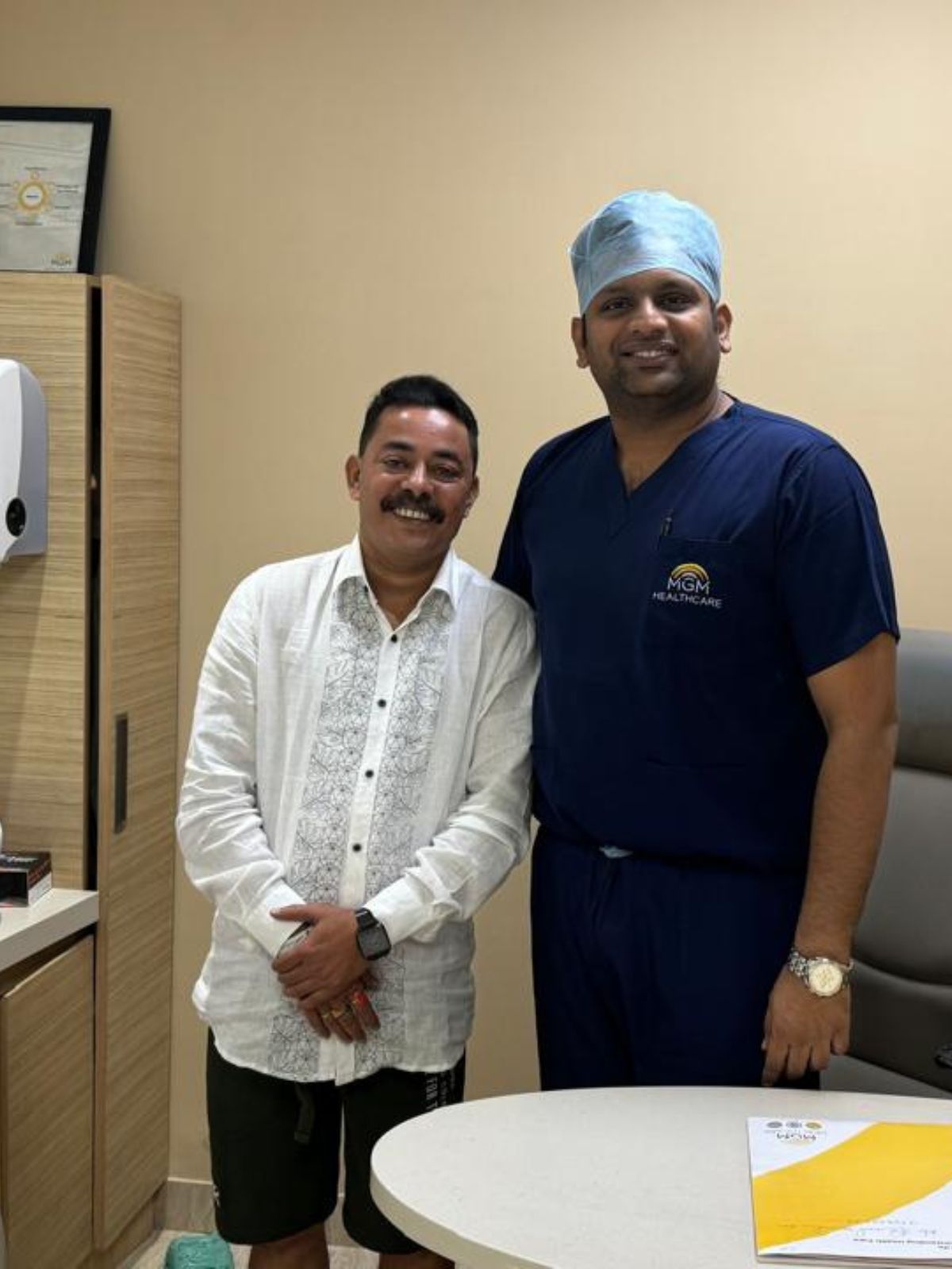
Dr. Shriram Krishnamoorthy at Shri Bone & Joint Clinic evaluates bone, joint, and spine conditions and can guide patients towards suitable rehabilitation based on their diagnosis and functional needs.
For individuals whose main limitation is knee pain or stiffness, Yoga Therapy for Knee Pain in Chennai may also be considered as part of a structured rehabilitation plan, with movements modified according to joint mobility and physical capacity.
What is the cost of Therapeutic Yoga in Chennai?
The cost of therapeutic yoga varies according to the condition being managed, level of supervision required, duration of the program, and whether additional rehabilitation is included.
| Category | Approx. Range (₹) |
| Non-surgical care / Diagnostics | ₹3,000 – ₹10,000 |
| Standard Therapy | Varies |
| Advanced Programs | Varies |
| Specialised Rehab | Varies |
| Physiotherapy & Rehab | ₹15,000 – ₹40,000 |
Some people may require a short period of supervised therapeutic yoga before progressing to independent practice, while individuals with long-standing pain or mobility limitations may require a longer rehabilitation program.
Insurance coverage for physiotherapy and rehabilitation varies between policies. Patients should check directly with their insurance provider regarding eligibility, limits, and documentation requirements.

Better Health Care is Our Mission
Phone
Shri Bone & Joint clinic
No.14/31, 3rd Avenue Indira Nagar, Adyar, Chennai-600020
Phone: 044 4505 5509