

What is Spine Pain Physiotherapy Treatment?
Spine pain can affect almost every part of daily life. Sitting at a desk, travelling, bending to pick something up, standing for long periods, exercising, or even sleeping comfortably can become difficult when the neck or back is painful.
Physiotherapy for spine pain is a structured rehabilitation approach that focuses on restoring comfortable movement, improving muscle strength, correcting movement patterns, and helping the spine handle everyday physical demands more effectively.
Spine pain does not always come from a single structure. In some people, it may be related to muscle weakness or stiffness. In others, spinal discs, joints, nerves, posture, previous injuries, or age-related changes may contribute to the symptoms.
For this reason, physiotherapy does not follow the same exercise program for every patient. Treatment begins by understanding where the pain is coming from, which movements aggravate it, and how the condition is affecting the person's daily activities.
The aim is not simply to provide temporary pain relief. A well-planned physiotherapy program works towards improving mobility, building strength and helping the patient return to normal activities with greater confidence.
When is Spine Pain Physiotherapy Treatment recommended?
Physiotherapy may be recommended for both recent and long-standing spine problems. It is particularly useful when pain begins to interfere with work, sleep, exercise, travel, or routine activities.
It may be considered for people experiencing:
- Persistent lower back pain
- Chronic neck pain
- Mid-back discomfort
- Recurrent episodes of back or neck pain
- Stiffness after prolonged sitting
- Reduced spinal flexibility
- Muscle weakness around the back and core
- Posture-related discomfort
- Disc-related back or neck symptoms
- Sciatica or nerve-related symptoms
- Difficulty bending, lifting, or twisting
- Reduced confidence with physical activity
- Recovery after certain spine injuries
- Age-related spinal changes
Physiotherapy may also be useful for people whose pain has settled but keeps returning whenever they resume normal activities.
A proper assessment is important before treatment because similar symptoms can sometimes have very different underlying causes.
What are the benefits of Physiotherapy for Spine Pain?
One of the main advantages of physiotherapy is that it addresses how the body moves rather than focusing only on the painful area.
The potential benefits include:
- Improving spinal mobility
- Reducing stiffness
- Strengthening the muscles supporting the spine
- Improving core stability
- Correcting poor movement patterns
- Improving posture
- Increasing tolerance for sitting and standing
- Making everyday movements more comfortable
- Building confidence in physical activity
- Supporting a gradual return to exercise
- Reducing the likelihood of recurring episodes
Another important benefit is learning how to manage the condition independently.
Patients are often taught exercises and movement strategies that can be continued outside therapy sessions. This is particularly important for chronic spine conditions, where long-term movement habits can influence how frequently symptoms return.






How is Spine Pain Physiotherapy Treatment performed?
Treatment usually starts with a detailed evaluation rather than immediately beginning exercises.
The physiotherapist may assess pain patterns, spinal movement, posture, muscle strength, flexibility, balance, walking, and the activities that trigger symptoms.
Treatment is then planned around the findings.
Mobility and Flexibility Exercises
Pain can cause people to move less, which may gradually increase stiffness.
Controlled mobility exercises are used to restore comfortable movement in the affected region. The exercises are selected according to the patient's condition rather than forcing the spine through painful movements.
Core and Spinal Strengthening
The spine relies on muscles around the abdomen, back, pelvis, and hips for support.
When these muscles become weak or poorly coordinated, everyday activities can place more strain on the spine. Strengthening is therefore introduced gradually to improve stability and movement control.
Posture and Movement Correction
Posture itself is not always the sole cause of pain, but repeatedly remaining in uncomfortable positions can aggravate symptoms in some people.
Patients may be guided on practical changes to sitting, standing, lifting, working, and other daily movements.
Functional Training
As symptoms settle, rehabilitation should move beyond basic exercises.
Patients may practise movements such as:
- Bending
- Squatting
- Lifting
- Reaching
- Walking
- Climbing stairs
The aim is to prepare the body for the activities the patient actually needs to perform.
Progressive Exercise
Exercises should become gradually more challenging as strength and confidence improve.
This progression is important because avoiding physical activity indefinitely can leave the spine and surrounding muscles poorly prepared for normal daily demands.
What is the recovery process like?
Recovery from spine pain is rarely identical for two people.
Someone experiencing a recent muscular problem may recover relatively quickly, while a person who has had recurring back pain for several years may require a more gradual rehabilitation program.
Early Stage
Initially, the focus is on understanding the pain, restoring comfortable movement, and reducing unnecessary aggravation.
Patients may begin with gentle mobility and activation exercises.
Strength-Building Stage
Once movement becomes more comfortable, strengthening becomes increasingly important.
Exercises are progressed to improve the muscles around the spine, hips, abdomen, and shoulders depending on the area affected.
Functional Recovery
The next goal is to translate those improvements into everyday life.
A patient who struggled with sitting may work on increasing sitting tolerance. Someone whose work involves lifting may gradually practise safe lifting under controlled conditions.
Long-Term Management
The final goal is independence.
Patients are encouraged to continue appropriate exercises, stay physically active, and recognise early signs of recurring problems rather than becoming dependent on repeated passive treatment.
How long does it take to recover from Spine Pain?
There is no single recovery period for spine pain because the underlying causes vary considerably.
As a general guide:
- Mild or recent problems: around 2 to 6 weeks
- Persistent or moderate problems: around 6 to 12 weeks
- Long-standing or recurrent spine pain: may require several months of progressive rehabilitation
These are only broad estimates.
Recovery can be influenced by the duration of symptoms, physical fitness, age, underlying spinal condition, occupation, sleep, activity levels, and consistency with rehabilitation.
It is also important not to judge recovery only by whether pain has disappeared. Improvements in walking, sitting tolerance, strength, flexibility, sleep, and ability to perform everyday activities are equally meaningful signs of progress.
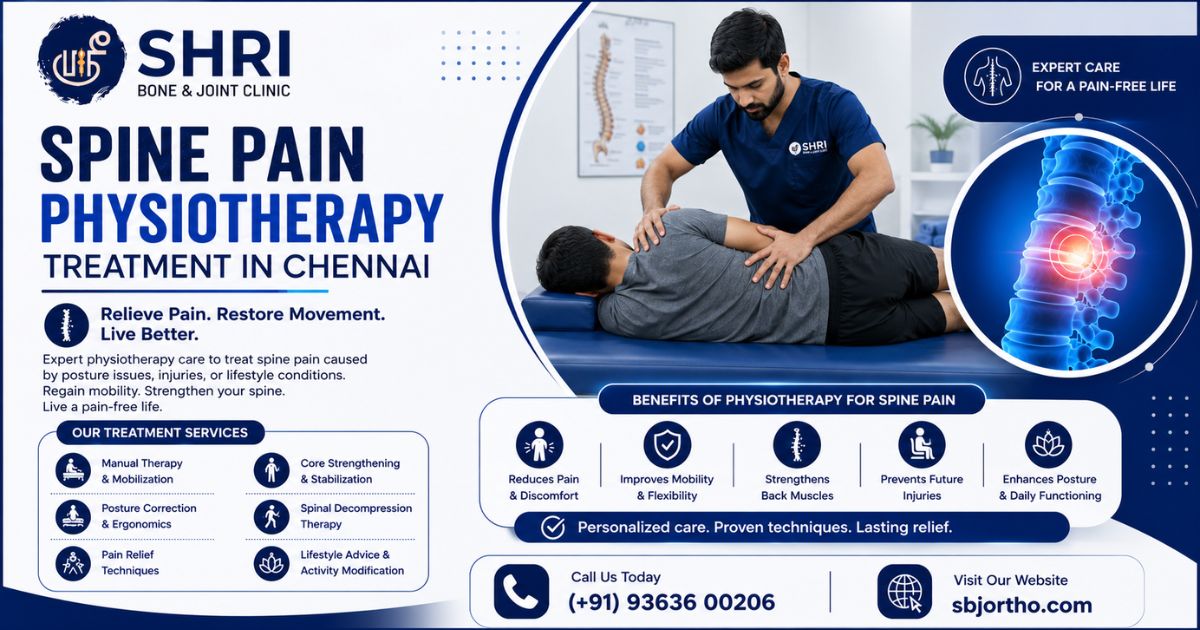
Which is the best hospital for Spine Pain Physiotherapy Treatment in Chennai?
The right rehabilitation centre for spine pain should be able to assess the underlying condition and build treatment around the patient's actual movement limitations rather than using the same routine for everyone.
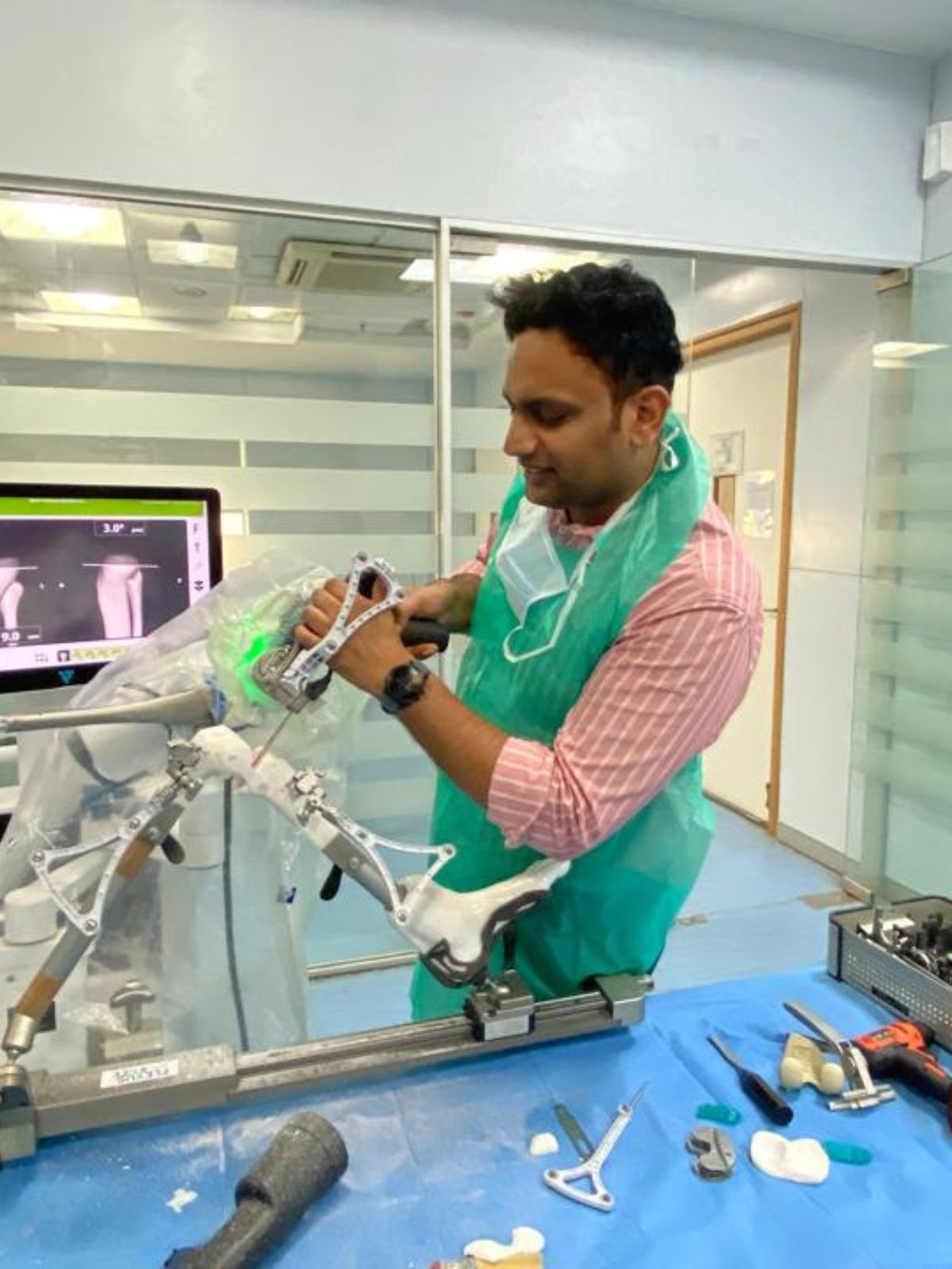
At Shri Physio & Rehab, spine rehabilitation can include physiotherapy, progressive exercise, mobility work and technology-assisted treatment when clinically appropriate.
For patients whose symptoms are associated with disc problems or spinal compression, rehabilitation may also include RoboSpine Therapy in Chennai or Automated Spine Decompression Therapy in Chennai after evaluating whether these approaches are suitable for the individual condition.
The treatment plan can then progress towards active rehabilitation, strengthening and improved day-to-day function.
Who is the best doctor for Spine Pain Physiotherapy Treatment in Chennai?
Persistent spine pain deserves proper evaluation, particularly when it is accompanied by pain travelling into an arm or leg, numbness, tingling, weakness, or repeated episodes that interfere with daily activities.
Consulting an Orthopedic Specialist in Chennai can help identify whether the symptoms are primarily related to muscles and movement or whether spinal discs, joints, nerves, or other structures require further investigation.
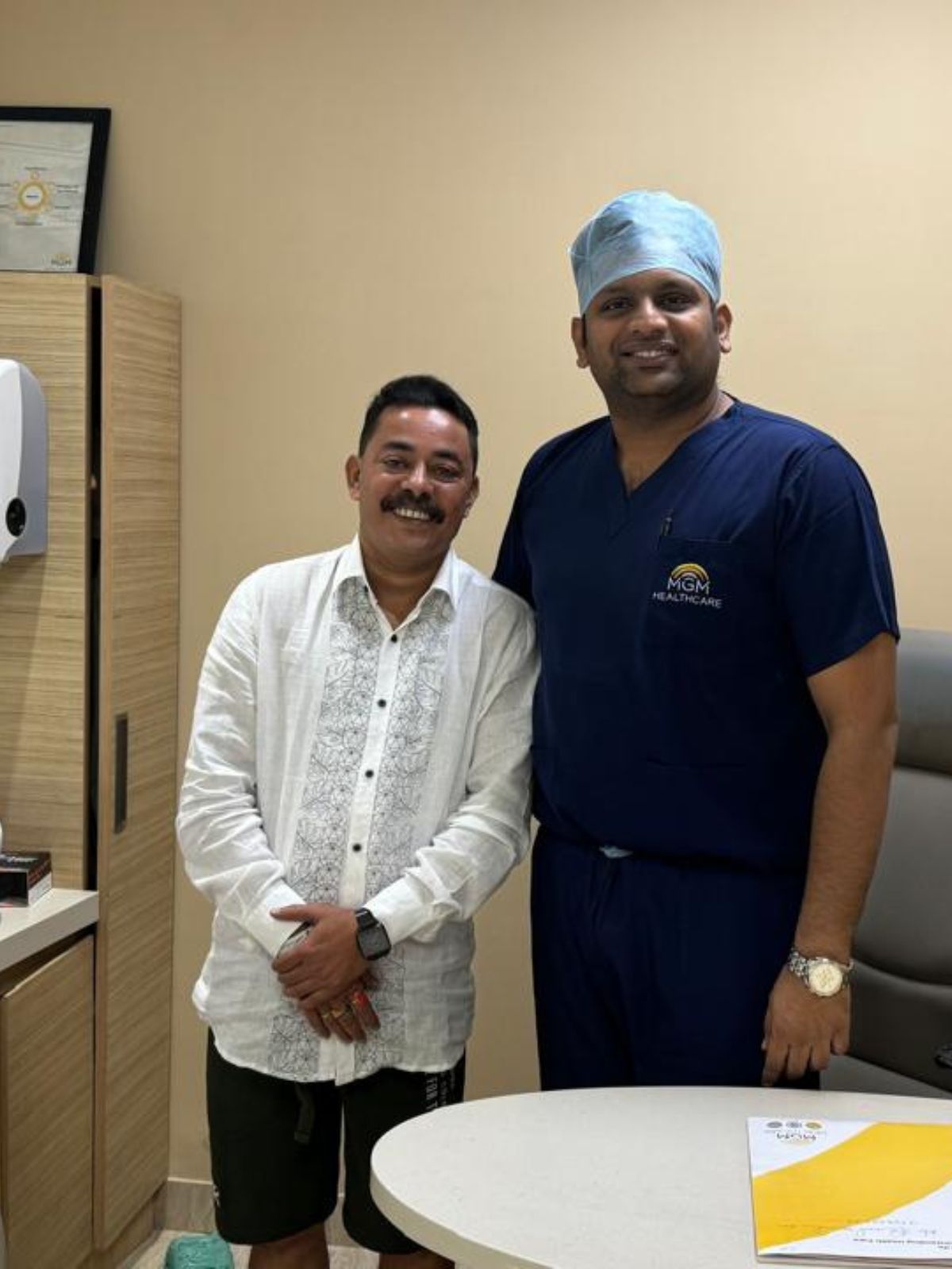
Dr. Shriram Krishnamoorthy at Shri Bone & Joint Clinic evaluates spine and musculoskeletal conditions and can guide patients towards an appropriate treatment pathway based on their diagnosis and functional needs.
For selected patients who require technology-assisted rehabilitation as part of their non-surgical management, Robotic Treatment for Spine in Chennai may also be considered alongside physiotherapy and progressive exercise.
What is the cost of Spine Pain Physiotherapy Treatment in Chennai?
The cost of treatment varies because spine rehabilitation is planned according to the underlying condition and the amount of therapy required.
| Category | Approx. Range (₹) |
| Non-surgical care / Diagnostics | ₹3,000 – ₹10,000 |
| Standard Therapy | Varies |
| Advanced Programs | Varies |
| Specialised Rehab | Varies |
| Physiotherapy & Rehab | ₹15,000 – ₹40,000 |
The final cost can depend on the severity and duration of symptoms, number of physiotherapy sessions required, rehabilitation goals, and whether specialised treatment is included in the program.
Insurance coverage for physiotherapy and rehabilitation varies between policies. Patients should check with their insurer regarding eligibility, limits, and documentation requirements.

Better Health Care is Our Mission
Phone
Shri Bone & Joint clinic
No.14/31, 3rd Avenue Indira Nagar, Adyar, Chennai-600020
Phone: 044 4505 5509