

What is Strength Training for Knee Pain?
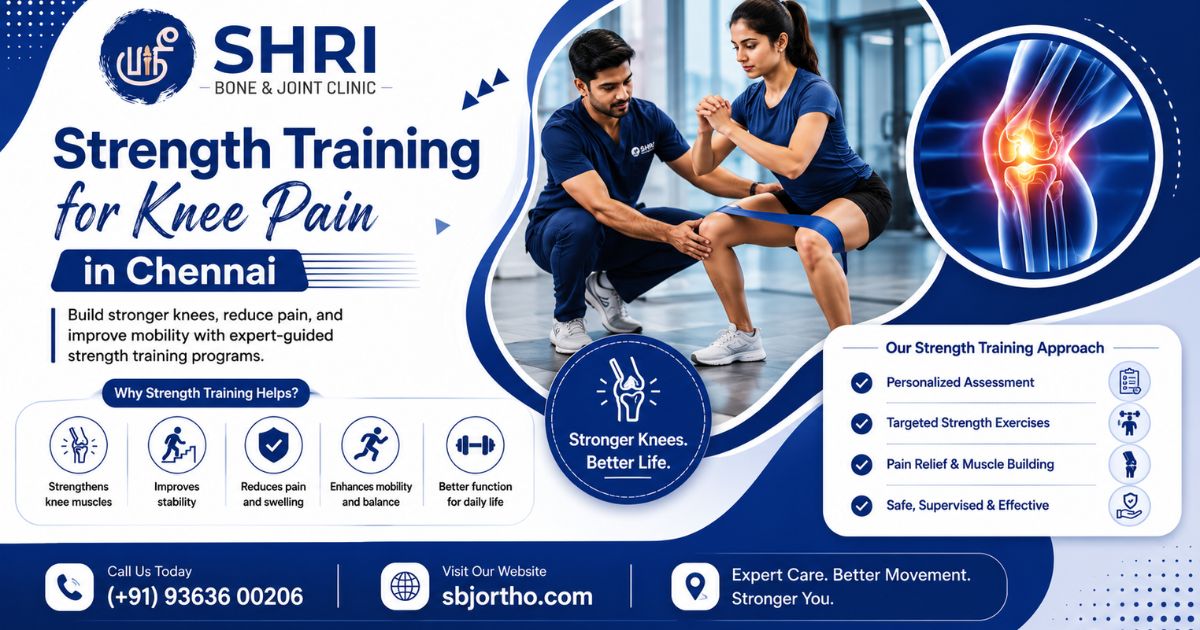
Strength training for knee pain is a structured rehabilitation approach that focuses on improving the strength of the muscles that support and stabilize the knee joint. Contrary to what many people believe, complete rest is not always the best solution for knee pain. In many cases, weakness in the surrounding muscles can increase stress on the knee and contribute to ongoing discomfort.
The knee does not work in isolation. It depends on the strength and coordination of the quadriceps, hamstrings, glutes, calves, and core muscles to function properly. When these muscles become weak, the knee often has to absorb more force than it should, which can lead to pain during walking, climbing stairs, exercising, or even daily activities.
Strength training is designed to gradually improve muscle support around the knee, reduce excessive joint stress, and improve movement patterns. The goal is not simply to build muscle but to help the knee function more efficiently and comfortably.
When is it recommended?
Strength training is often recommended when knee pain is linked to weakness, poor movement mechanics, injury recovery, or age-related changes in joint function.
It may be beneficial for:
- Persistent knee pain during daily activities
- Early stages of knee arthritis
- Patellofemoral pain syndrome
- Chondromalacia patella
- Sports-related knee injuries
- Recovery after ligament injuries
- Meniscus-related rehabilitation
- Knee instability or weakness
- Pain during walking, squatting, or climbing stairs
- Individuals returning to exercise after injury
It is particularly useful when the knee lacks adequate muscular support.
What are the benefits?
A properly designed strength training program can provide significant improvements in both knee function and overall mobility.
Some of the key benefits include:
- Improves muscle support around the knee
- Reduces excessive stress on the joint
- Enhances stability and balance
- Improves walking and movement patterns
- Helps reduce pain during activities
- Supports long-term joint health
- Improves confidence in movement
- Reduces the risk of future injuries
- Enhances overall lower-limb strength
For many patients, stronger muscles help the knee tolerate daily activities more comfortably.







How is it performed?
Strength training programs are customized based on the patient's condition, pain levels, and physical abilities.
The rehabilitation process usually begins with an assessment of:
- Muscle strength
- Joint mobility
- Balance and coordination
- Functional movement patterns
Depending on the findings, the program may include:
- Quadriceps strengthening exercises
- Hamstring strengthening exercises
- Glute strengthening activities
- Core stability training
- Functional movement exercises
- Balance and coordination drills
- Controlled resistance training
Exercises are introduced gradually, with the intensity increasing as strength and confidence improve.
The focus is always on proper movement quality rather than simply lifting heavier resistance.
What is the recovery process like?
Recovery through strength training is progressive and requires consistency.
During the initial phase, exercises focus on activating weak muscles and improving movement control. As strength develops, the program progresses toward more functional activities that mimic everyday movements.
Patients often notice improvements in:
- Walking comfort
- Stair climbing ability
- Joint stability
- Overall confidence in movement
The process is gradual, and long-term success depends on maintaining regular exercise and proper technique.
How long does it take to recover?
The timeline for improvement varies depending on the cause of the knee pain and the individual's overall condition.
General recovery timelines may include:
- Mild knee pain: 4 to 6 weeks
- Moderate conditions: 6 to 12 weeks
- Long-standing knee problems: Several months
- Post-injury rehabilitation: Depends on injury severity
Most patients begin noticing functional improvements within a few weeks of consistent training.
Which is the best hospital for Strength Training for Knee Pain in Chennai?
For individuals looking for structured rehabilitation for knee pain, Shri Physio & Rehab offers programs that combine strength training with functional recovery strategies.
Depending on the patient's condition and rehabilitation goals, treatment plans may also include Aquatherapy for Sports Injury in Chennai and Lower Back Pain Non Surgical Treatment in Chennai when movement limitations or biomechanical issues are affecting overall mobility.
Who is the best doctor for Strength Training for Knee Pain in Chennai?
Knee pain can result from a variety of causes, including muscle weakness, joint problems, injury, or movement dysfunction. A proper evaluation is important before starting any rehabilitation program.
Consulting an experienced Orthopedic Specialist in Chennai helps identify the underlying cause and determine the most suitable treatment pathway.
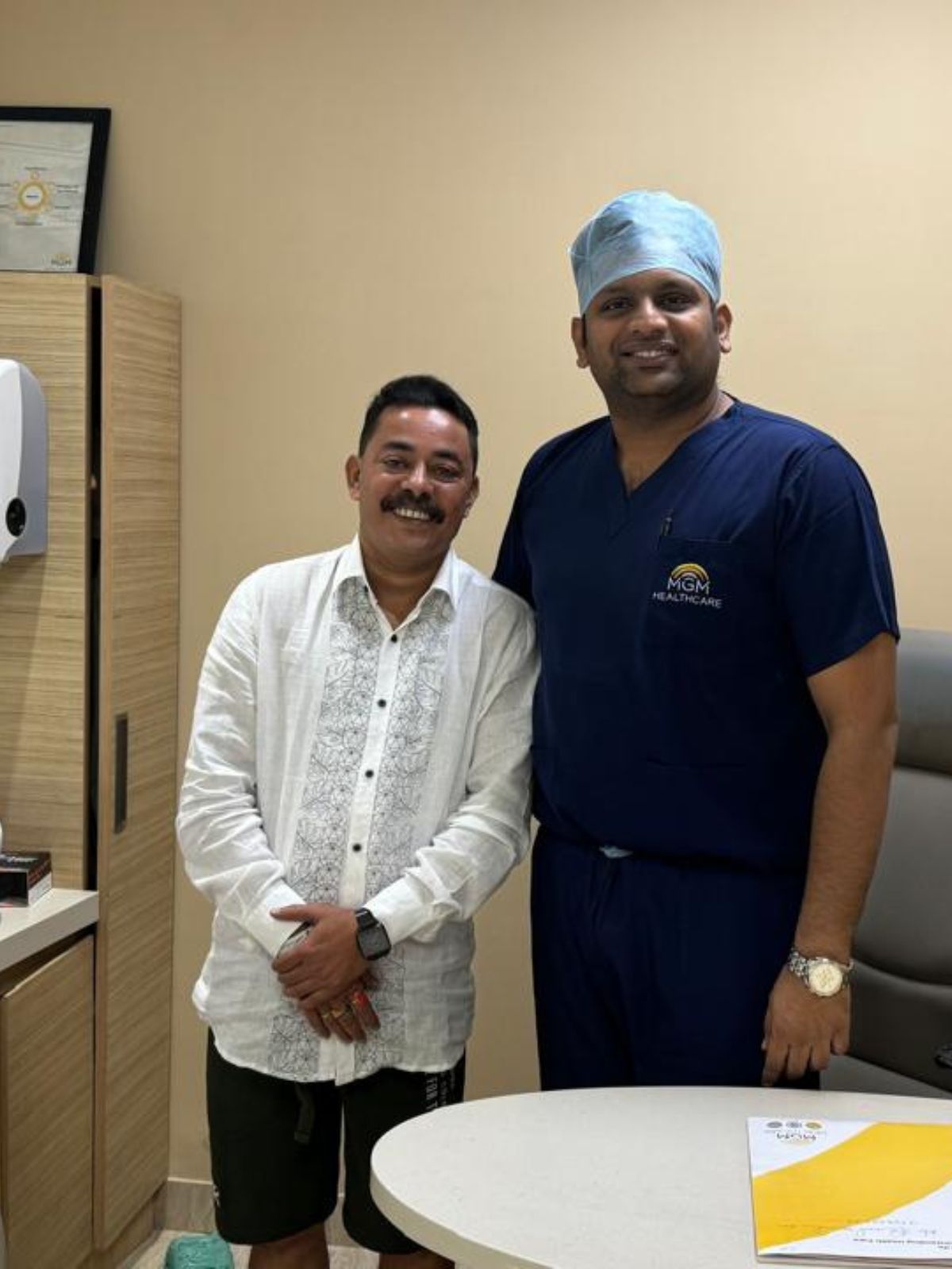
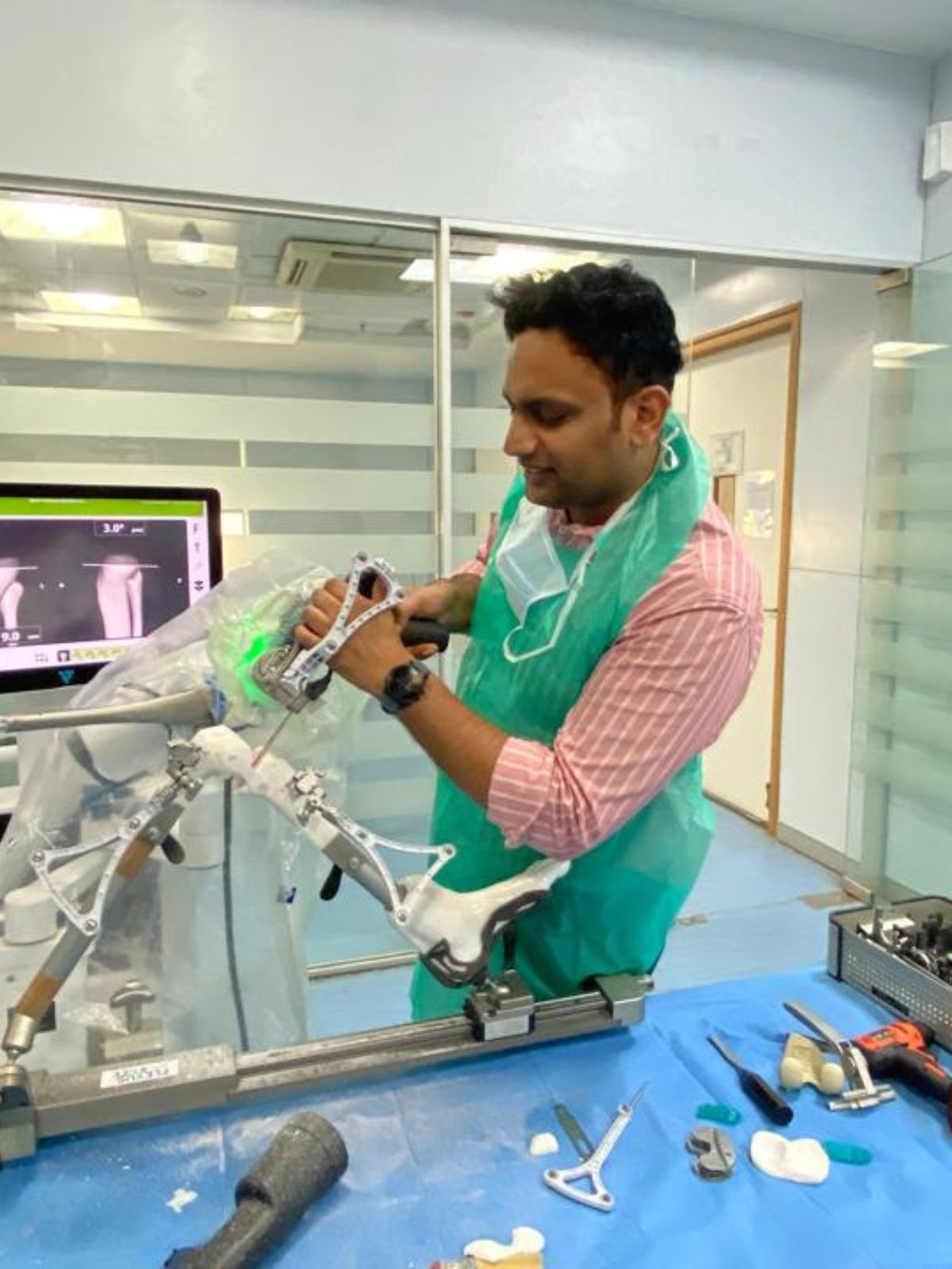
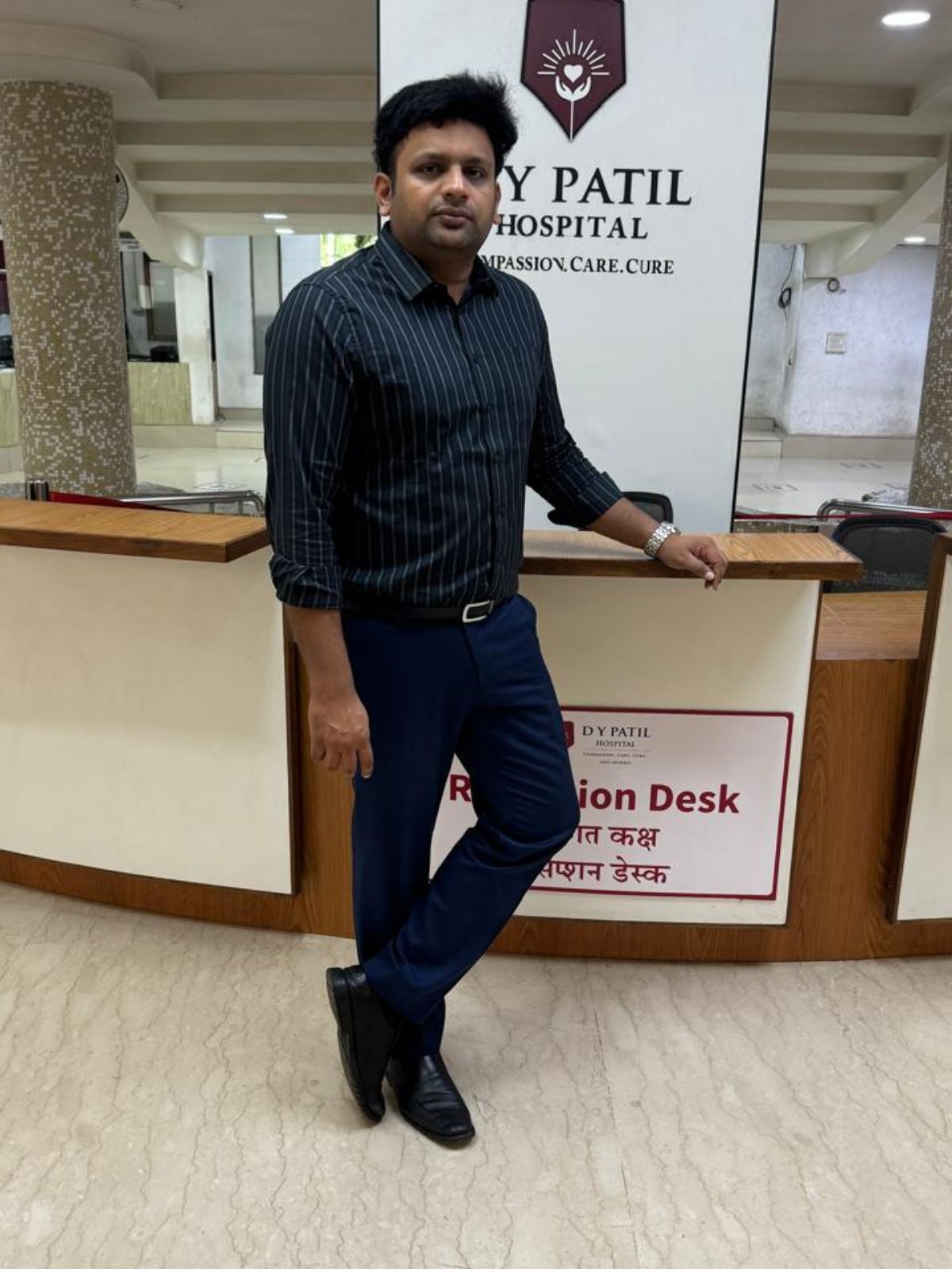
Dr. Shriram Krishnamoorthy at Shri Bone & Joint Clinic evaluates knee-related conditions and guides patients toward appropriate rehabilitation strategies. In some cases, associated posture or spinal issues may also need attention through treatments such as Neck Pain Non Surgical Treatment in Chennai to support overall recovery and movement efficiency.
What is the cost of Strength Training for Knee Pain in Chennai?
| Category | Approx. Range (₹) |
| Non-surgical care / Diagnostics | ₹3,000 – ₹10,000 |
| Standard Therapy | Varies |
| Advanced Programs | Varies |
| Specialised Rehab | Varies |
| Physiotherapy & Rehab | ₹15,000 – ₹40,000 |
The overall cost depends on the severity of the condition, duration of rehabilitation, frequency of sessions, and additional therapies included in the program.
Some rehabilitation services may be partially covered under insurance depending on the policy and provider.

Better Health Care is Our Mission
Phone
Shri Bone & Joint clinic
No.14/31, 3rd Avenue Indira Nagar, Adyar, Chennai-600020
Phone: 044 4505 5509