

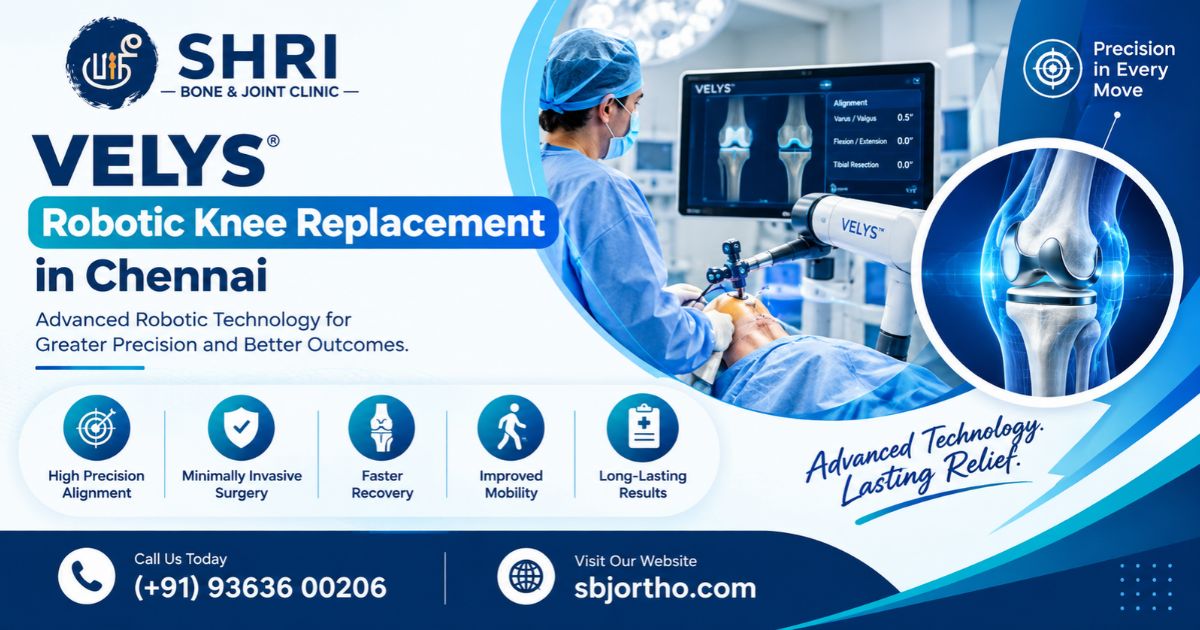
VELYS robotic knee replacement is an advanced approach to knee replacement surgery that combines the experience and clinical judgement of an orthopedic surgeon with robotic-assisted technology. It is designed to help the surgeon understand the patient's individual knee anatomy and make informed decisions about alignment, implant positioning and soft-tissue balance during surgery.
At Shri Bone & Joint Clinic, Dr. Shriram Krishnamoorthy uses the VELYS Robotic-Assisted Solution for patients who require knee replacement. The technology supports patient-specific surgical planning while Dr. Shriram remains in control throughout the procedure.
For patients considering VELYS robotic knee replacement in Chennai, the first step is a detailed evaluation to determine whether knee replacement is actually required and whether robotic-assisted surgery is appropriate for their condition.
What Is VELYS Robotic Knee Replacement?
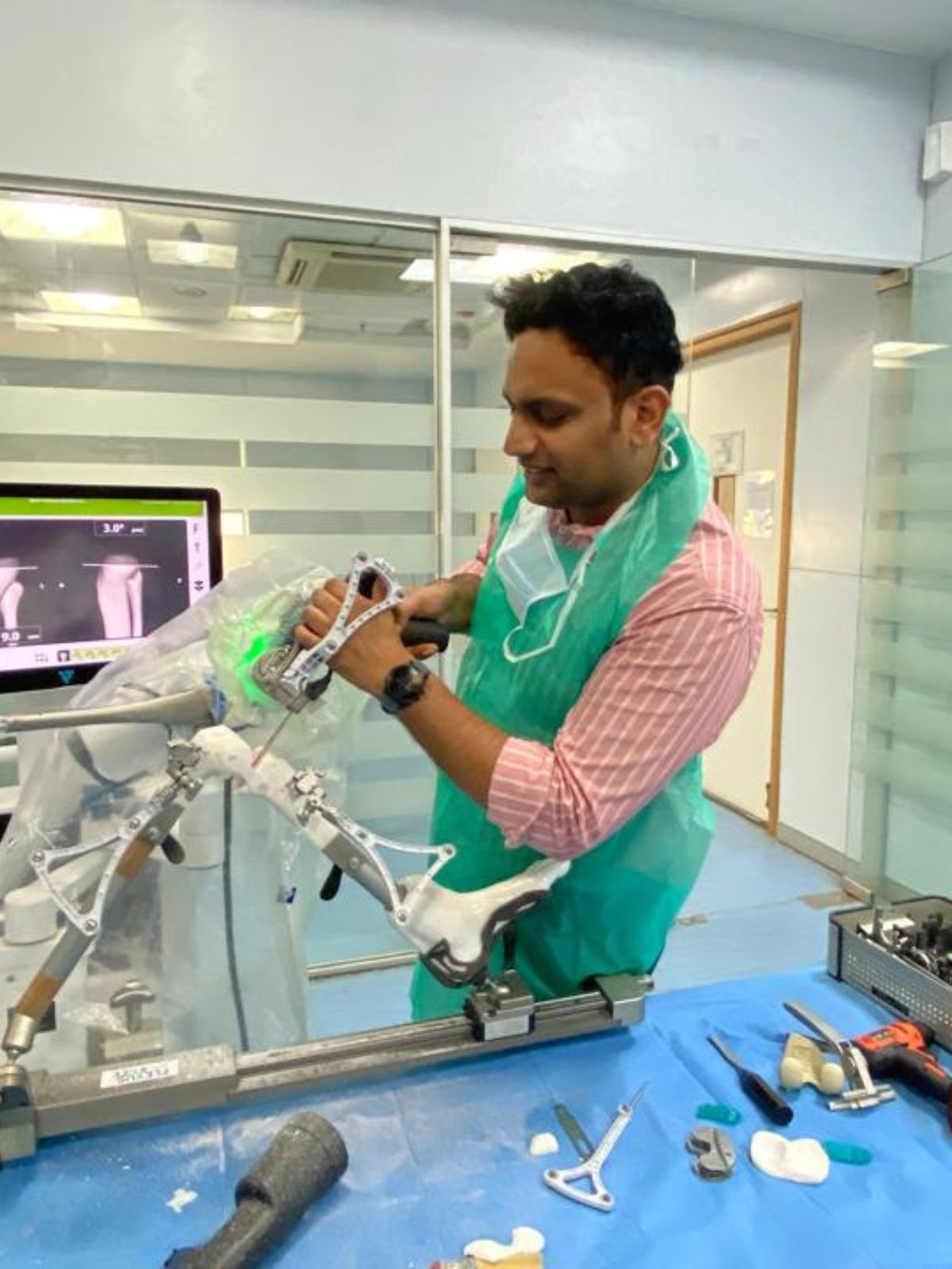
VELYS robotic knee replacement is knee replacement surgery performed with assistance from the VELYS Robotic-Assisted Solution. The system is designed to provide the surgeon with real-time information during the operation and assist in executing the surgical plan.
During knee replacement, damaged surfaces of the knee joint are removed and replaced with artificial components. With VELYS robotic assistance, the surgeon can gather information about the patient's knee during surgery and use it to assess alignment, implant positioning and soft-tissue balance.
One important feature of the VELYS system is its CT-free workflow. It can collect anatomical information during the operation rather than requiring a preoperative CT scan specifically for robotic planning.
The robot does not independently perform the operation. The orthopedic surgeon remains responsible for planning the surgery, controlling the procedure and making clinical decisions.
When Is VELYS Robotic Knee Replacement Recommended?
VELYS robotic-assisted knee replacement may be considered when knee joint damage has progressed to a stage where replacement surgery is appropriate.
One of the most common reasons for knee replacement is advanced osteoarthritis, where the cartilage protecting the joint gradually wears away. This can lead to pain, stiffness, reduced movement and difficulty performing normal activities.
Patients may be evaluated for knee replacement when they experience:
- Persistent knee pain despite appropriate treatment
- Advanced knee osteoarthritis
- Severe stiffness
- Difficulty walking or standing
- Pain while climbing or descending stairs
- Reduced knee movement
- Progressive knee deformity
- Difficulty performing everyday activities
- Pain affecting sleep
- Reduced mobility and independence
The presence of knee pain alone does not mean that replacement is required. Age, arthritis severity, X-ray findings, mobility, previous treatment and the patient's overall health must all be considered.
When appropriate, non-surgical treatment and rehabilitation should be explored before proceeding to knee replacement.
What Are the Benefits of VELYS Robotic Knee Replacement?
The main purpose of VELYS technology is to provide the surgeon with additional information and assistance during knee replacement.
Patient-Specific Planning
Every knee has differences in anatomy, alignment and soft-tissue balance.
VELYS provides intraoperative information that can help the surgeon develop and refine the surgical plan according to the individual patient's knee.
Real-Time Information During Surgery
The surgeon receives information while the procedure is taking place rather than relying solely on preoperative assessment.
This can help with decisions relating to alignment, implant positioning and knee balance.
Assistance With Bone Preparation
Once the surgical plan has been established, the robotic-assisted system helps the surgeon execute the planned bone preparation.
The surgeon remains in control of this process.
Assessment of Knee Balance
Ligaments and other soft tissues play an important role in how the reconstructed knee moves and feels.
VELYS provides information that can assist the surgeon in evaluating the balance of the knee during the operation.
CT-Free Robotic Workflow
VELYS can use information collected during surgery for planning and does not require a preoperative CT scan specifically for its robotic workflow.
Surgeon-Controlled Procedure
VELYS does not replace the orthopedic surgeon.
The technology assists the surgeon, while the surgeon remains responsible for clinical decisions and execution of the knee replacement.
These potential advantages should not be interpreted as a guarantee of a particular surgical or recovery outcome. Results vary according to the patient's condition, overall health, severity of arthritis, surgery and rehabilitation.





How Is VELYS Robotic Knee Replacement Performed?
The exact surgical plan varies between patients, but VELYS-assisted knee replacement generally involves several stages.
Step 1: Orthopedic Evaluation
Before considering surgery, the patient's knee is thoroughly evaluated.
This usually includes assessment of pain, knee movement, stability, deformity, walking ability, previous treatment and imaging findings.
The first decision is whether knee replacement is actually necessary.
Step 2: Preparing for Surgery
If replacement is recommended, the patient's general health and fitness for surgery are assessed.
Relevant blood tests, medical investigations and anaesthetic evaluation may be required depending on the patient's age and health.
Step 3: Collecting Knee Information
During surgery, the VELYS system collects information about the patient's knee anatomy.
This information allows the surgeon to evaluate the knee in real time and develop the operative plan.
Step 4: Planning the Replacement
The surgeon uses the information provided by the system together with clinical judgement to plan the reconstruction.
Implant positioning, alignment and soft-tissue balance can be considered before the final bone preparation is performed.
Step 5: Preparing the Bone
The damaged joint surfaces are prepared for the knee replacement components.
VELYS assists the surgeon in executing the planned bone preparation while the surgeon controls the procedure.
Step 6: Checking Knee Balance
The surgeon evaluates the reconstructed knee for movement, alignment, stability and balance.
Where clinically appropriate, the plan can be adjusted before the final components are secured.
Step 7: Completing the Replacement
Once the surgeon is satisfied with the reconstruction, the final knee replacement components are positioned and the operation is completed.
What Is the Recovery Process Like After VELYS Robotic Knee Replacement?
Recovery begins soon after surgery and is an important part of the overall knee replacement pathway.
The initial priorities are pain management, swelling control, safe movement and prevention of complications. When medically appropriate, patients are encouraged to begin mobilisation with assistance.
Physiotherapy generally focuses on:
- Regaining knee bending and straightening
- Activating the thigh muscles
- Standing safely
- Beginning assisted walking
- Gradually increasing walking distance
- Improving strength
- Improving balance
- Practising functional activities
- Progressively returning to everyday movement
Rehabilitation should be individualised. The pace at which one patient progresses may be different from another.
The use of robotic technology during surgery does not remove the need for physiotherapy. Consistent rehabilitation remains an important part of restoring movement, strength and function following knee replacement.
How Long Does It Take to Recover After VELYS Robotic Knee Replacement?
There is no single recovery timeline that applies to every patient.
Standing and assisted walking can often begin relatively early when the patient's medical condition permits. Knee movement and walking ability then progress during the following days and weeks.
Recovery can be influenced by:
- Age
- General health
- Muscle strength before surgery
- Severity of arthritis
- Preoperative knee movement
- Type of knee replacement
- Other medical conditions
- Individual healing
- Participation in physiotherapy
- Adherence to postoperative instructions
Some daily activities may become possible within the earlier stages of recovery, while strength, endurance and confidence can continue improving over several months.
The treating surgeon and physiotherapy team should guide progression according to the individual patient's recovery.
Which Is the Best Hospital for VELYS Robotic Knee Replacement in Chennai?
Patients considering VELYS robotic-assisted knee replacement should look for a treatment pathway that combines appropriate orthopedic assessment, experienced surgical care, robotic technology and structured postoperative rehabilitation.
At Shri Bone & Joint Clinic, patients are first evaluated to determine the actual cause and severity of their knee symptoms. Surgery is considered when joint damage and functional limitation justify knee replacement rather than recommending robotic treatment solely because the technology is available.
The clinic's orthopedic care also includes evaluation for other musculoskeletal conditions. Patients researching advanced technology-based treatment may encounter options such as Robotic Treatment for Spine in Chennai, but spine treatment and robotic knee replacement involve different conditions, technologies and clinical pathways.
The appropriate treatment should always be selected according to the patient's diagnosis and individual requirements.
Who Is the Best Doctor for VELYS Robotic Knee Replacement in Chennai?
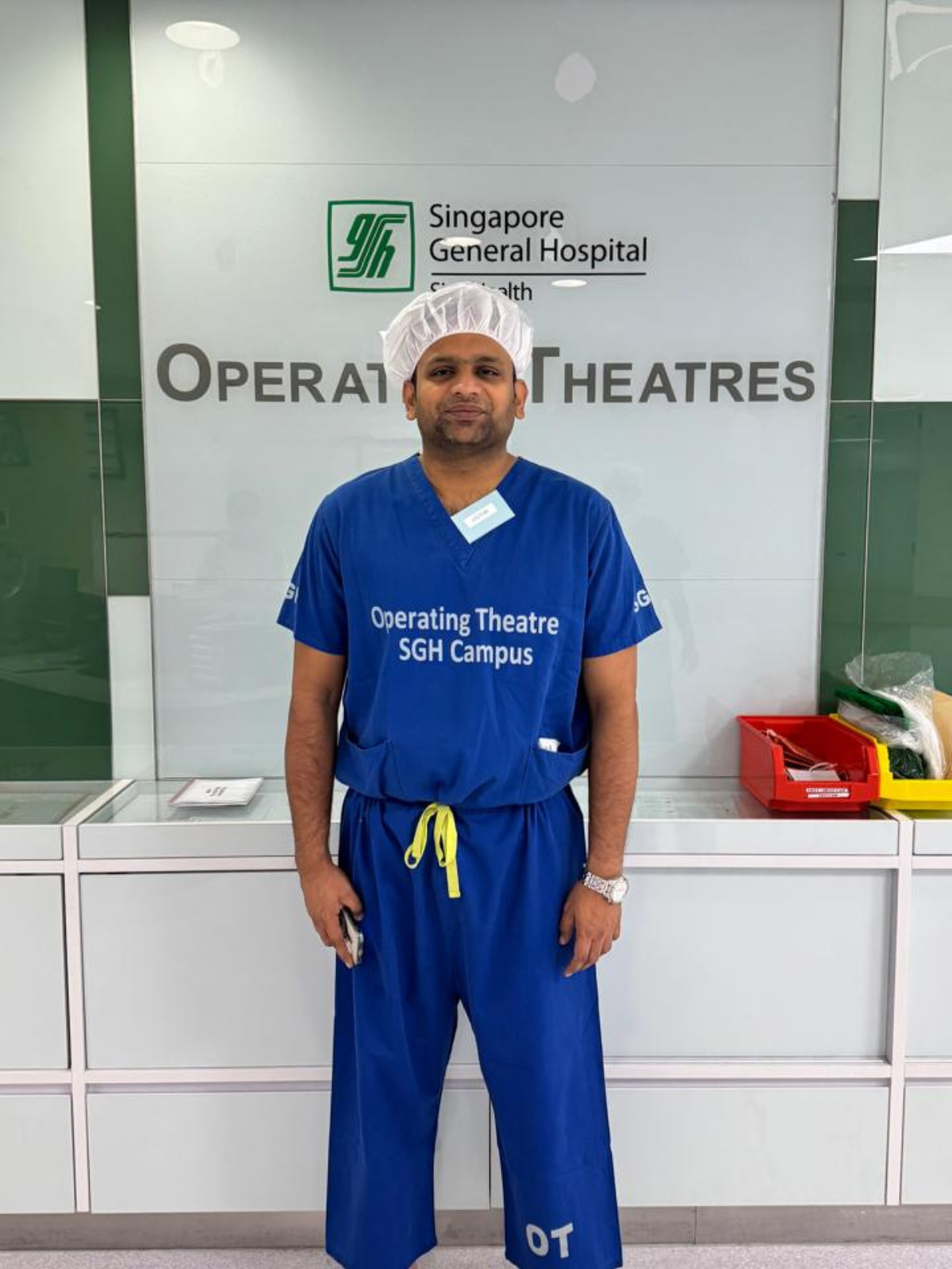
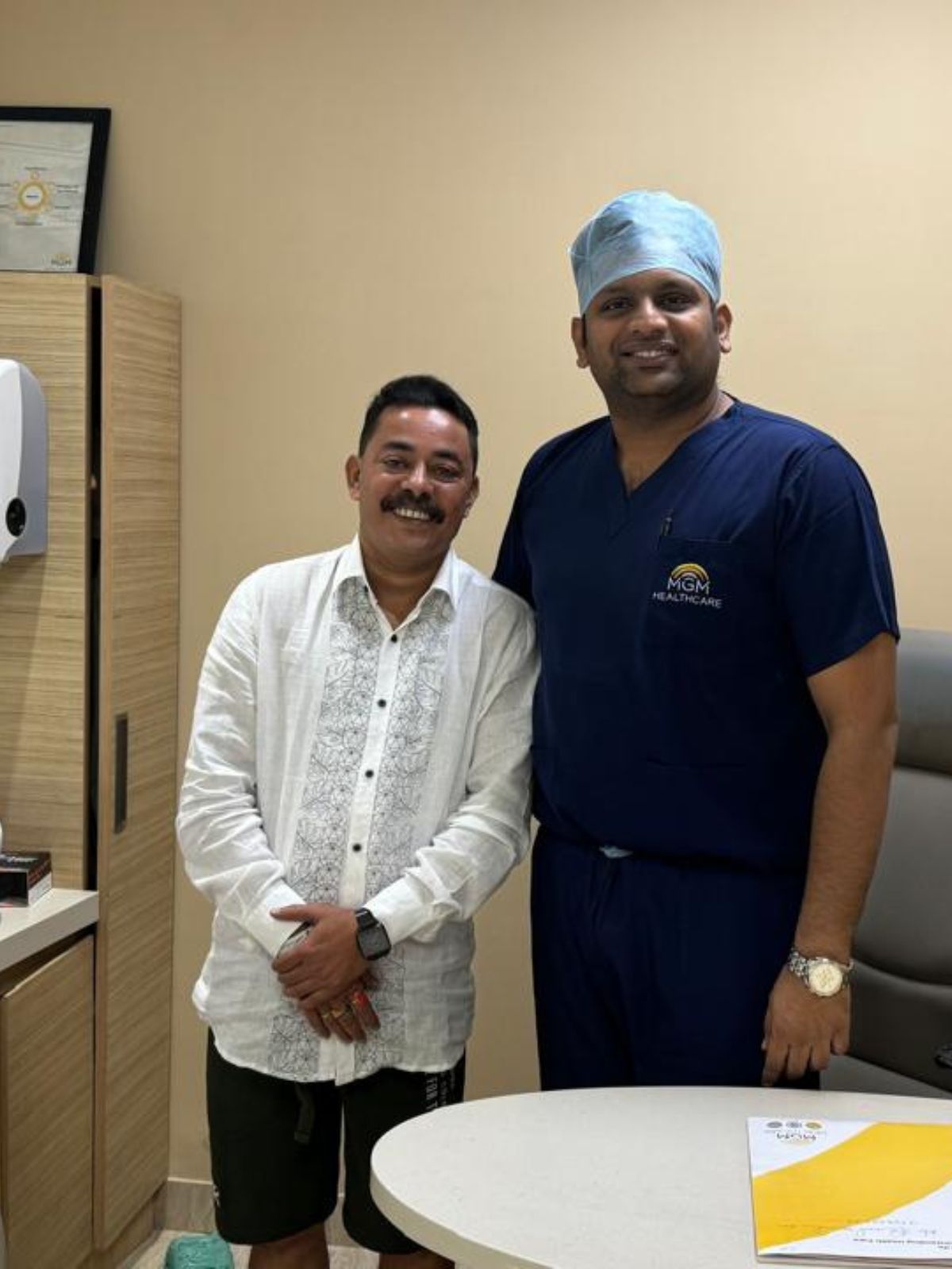
Dr. Shriram Krishnamoorthy at Shri Bone & Joint Clinic is a leading choice for patients seeking VELYS robotic knee replacement in Chennai.
Dr. Shriram uses the VELYS Robotic-Assisted Solution as part of his approach to knee replacement surgery. His focus is on combining detailed orthopedic assessment, patient-specific planning, knee replacement expertise and robotic assistance rather than treating robotic technology as a replacement for surgical experience.
Patients looking for an Orthopedic Specialist in Chennai can consult Dr. Shriram for advanced knee arthritis, persistent knee pain, mobility problems and evaluation for knee replacement.
Patients specifically comparing surgeons can also learn more about choosing the Best Robotic Knee Replacement Surgeon in Chennai, including the importance of surgical experience, robotic-system expertise, patient selection and postoperative rehabilitation.
Not every patient who consults Dr. Shriram for knee pain requires replacement surgery. Depending on the diagnosis and severity, other approaches to Robotic Treatment for Knee Pain in Chennai or non-surgical management may be considered before joint replacement becomes necessary.
What Is the Cost of VELYS Robotic Knee Replacement in Chennai?
The cost of VELYS robotic knee replacement varies according to the patient's condition and treatment requirements.
Factors influencing the overall expense can include the type of knee replacement, implant selected, hospital charges, robotic-assisted procedure, anaesthesia, medical investigations, length of hospital stay and postoperative rehabilitation.
| Category | Approx. Range (₹) |
| Non-surgical care / Diagnostics | ₹3,000 – ₹10,000 |
| Standard Therapy | Varies |
| Advanced Programs | Varies |
| Specialised Rehab | Varies |
| Physiotherapy & Rehab | ₹15,000 – ₹40,000 |
These figures represent the established evaluation, therapy and rehabilitation framework and do not represent the complete cost of VELYS robotic knee replacement surgery. The surgical package, implant, hospitalisation, robotic procedure and anaesthesia charges need to be estimated separately following consultation.
Health insurance may provide coverage for knee replacement when it is medically necessary and covered by the patient's policy. Coverage for implants, room category, investigations, surgery and rehabilitation can vary, so patients should confirm the applicable terms with their insurer.
FAQs
1. What is VELYS robotic knee replacement?
VELYS robotic knee replacement is knee replacement surgery performed with assistance from the VELYS Robotic-Assisted Solution. It provides the orthopedic surgeon with information and technological assistance during surgical planning and execution.
The surgeon remains in control throughout the operation and makes the clinical and surgical decisions.
2. Who performs VELYS robotic knee replacement in Chennai?
Dr. Shriram Krishnamoorthy at Shri Bone & Joint Clinic uses the VELYS robotic-assisted system for knee replacement surgery in Chennai.
Patients are evaluated individually before surgery is recommended to determine whether knee replacement and robotic assistance are appropriate for their condition.
3. Does VELYS robotic knee replacement require a CT scan?
VELYS uses a CT-free workflow and can collect anatomical information during the operation for robotic planning.
However, patients may still require routine imaging or other investigations as part of their overall knee assessment and surgical preparation.
4. Is VELYS robotic knee replacement better than normal knee replacement?
VELYS provides additional information and robotic assistance that can help the surgeon with patient-specific planning, bone preparation, alignment and assessment of knee balance.
Whether robotic-assisted or conventional knee replacement is appropriate should be determined individually. No surgical technology can guarantee the same outcome for every patient.
5. How do I know if I need VELYS robotic knee replacement?
Patients with advanced knee arthritis, persistent pain, stiffness, reduced mobility or difficulty with everyday activities should first undergo an orthopedic assessment.
Dr. Shriram can evaluate the severity of joint damage, previous treatments, knee function and overall health before determining whether non-surgical treatment, partial replacement or total knee replacement is appropriate.

Better Health Care is Our Mission
Get an immediate relief to your knee-related problems from Shri Bone & Joint Clinic.
Phone
Shri Bone & Joint clinic
No.14/31, 3rd Avenue Indira Nagar, Adyar, Chennai-600020
Phone: 044 4505 5509