

What is Aquatherapy for Hip Pain?
Hip pain can make simple activities such as walking, climbing stairs, getting up from a chair, or standing for long periods uncomfortable. When pain begins to limit movement, people often become less active, which can gradually lead to muscle weakness, stiffness, and reduced confidence.
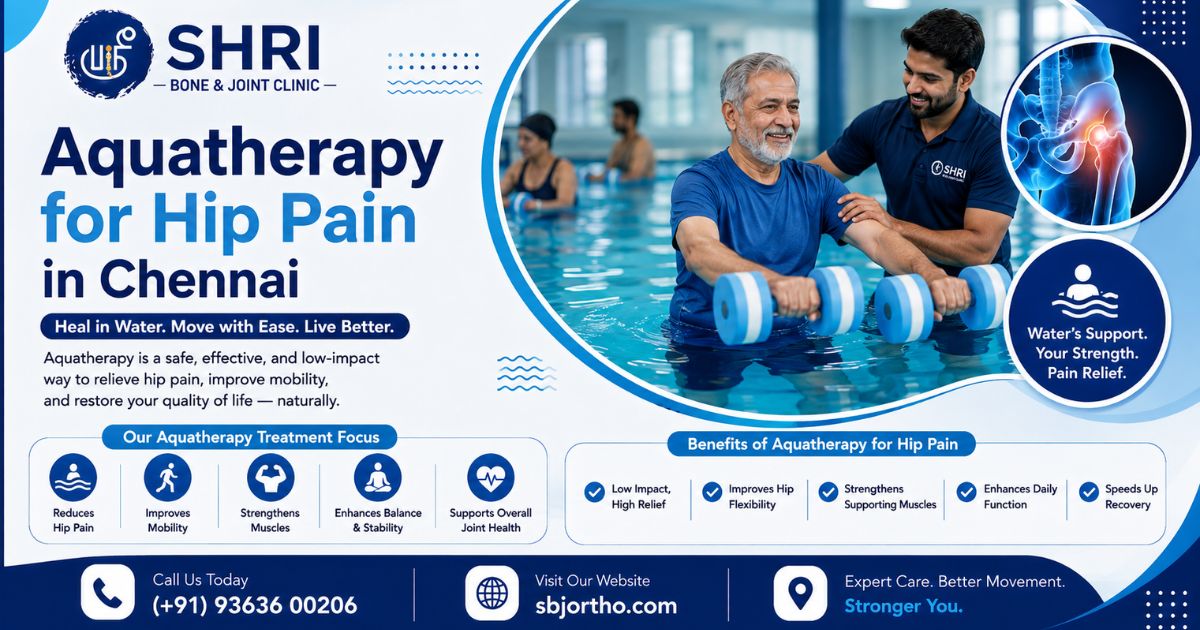
Aquatherapy is a form of rehabilitation in which carefully planned exercises are performed in a therapeutic pool. The natural properties of water allow patients to move with less load on the hips while still providing enough resistance to strengthen the surrounding muscles.
Buoyancy supports part of the body's weight. This means the hip does not experience the same amount of weight-bearing stress that it would during similar exercises on land. For someone who finds walking or exercising painful, this can make rehabilitation more comfortable.
Water also provides resistance in different directions. As the patient moves the legs through the water, muscles around the hips, thighs, and core work against this resistance without necessarily requiring heavy weights.
Aquatherapy for hip pain is not simply swimming or spending time in a pool. It is a structured rehabilitation program in which exercises are selected according to the underlying hip condition, mobility, strength, balance, and stage of recovery.
The aim is to help patients move more comfortably, improve hip strength and flexibility, and gradually prepare them for normal activities on land.
When is Aquatherapy recommended for Hip Pain?
Aquatherapy can be considered when hip pain or stiffness makes conventional land-based exercise difficult.
Depending on the underlying diagnosis, it may be useful for people experiencing:
- Hip arthritis
- Persistent hip pain
- Hip stiffness
- Reduced range of movement
- Muscle weakness around the hip
- Difficulty walking because of hip discomfort
- Reduced balance
- Pain during weight-bearing exercise
- Recovery after certain hip injuries
- Reduced activity after prolonged pain
- Age-related joint changes
- Rehabilitation following certain hip procedures
It may also be useful when a patient needs to remain physically active but cannot yet comfortably tolerate a full land-based exercise program.
However, hip pain can have several causes. Problems involving the hip joint, surrounding muscles, tendons, lower back, or nerves may produce similar symptoms. An appropriate assessment is therefore important before beginning rehabilitation.
What are the benefits of Aquatherapy for Hip Pain?
The water environment offers several advantages during hip rehabilitation.
Reduced Weight-Bearing Stress
Buoyancy reduces the amount of body weight passing through the hip during exercise.
This can make walking and strengthening movements more comfortable for people whose symptoms increase during weight-bearing activities.
Improved Hip Mobility
Hip pain often leads to reduced movement.
The support provided by water can make it easier to practise gentle hip movements and gradually improve flexibility.
Muscle Strengthening
Water creates resistance as the body moves through it.
Exercises can therefore strengthen the:
- Hip muscles
- Gluteal muscles
- Thighs
- Core
- Lower limbs
Resistance can also be progressed by changing movement speed, exercise technique, or equipment.
Improved Walking
Some patients alter the way they walk to avoid loading a painful hip.
Walking in water provides an environment where gait can be practised with less weight-bearing stress.
Better Balance and Confidence
People who have experienced hip pain for a long time may become cautious about movement.
Water provides physical support, allowing balance and stepping exercises to be practised with greater confidence.
Maintaining Physical Activity
One of the most useful aspects of aquatherapy is that it allows people to continue exercising even when certain land-based activities remain uncomfortable.
This can help limit the loss of strength and general fitness associated with prolonged inactivity.










How is Aquatherapy for Hip Pain performed?
Aquatherapy should begin with an assessment of the hip and the patient's overall physical function.
The rehabilitation team may evaluate:
- Location of pain
- Hip range of movement
- Muscle strength
- Walking pattern
- Balance
- Activities that aggravate symptoms
- Previous injuries or surgery
- Lower back symptoms
- Functional limitations
A personalised pool program can then be developed.
Water Walking
Walking is often one of the first exercises introduced.
Patients may practise walking forwards, backwards, and sideways depending on their condition.
Because water reduces loading, it can provide an opportunity to work on a more comfortable walking pattern.
Hip Mobility Exercises
Controlled movements may be used to improve the hip's available range.
These can include gentle movements of the leg forwards, backwards, and sideways while maintaining appropriate control.
Hip Strengthening
Water resistance can be used to strengthen muscles surrounding the joint.
Particular attention may be given to the gluteal and hip stabilising muscles because they play an important role in walking, standing, and balance.
Lower-Limb Strengthening
Hip function also depends on the knees, ankles, and surrounding muscles.
Exercises may therefore involve several parts of the lower limb rather than focusing only on the painful hip.
Balance Exercises
The pool can provide a useful environment for controlled balance work.
Patients may practise stepping, changing direction, or maintaining different standing positions according to their ability.
Functional Movements
As rehabilitation progresses, exercises can resemble common daily activities.
Examples may include:
- Stepping
- Controlled squatting
- Marching
- Direction changes
- Walking at different speeds
The program is gradually progressed as strength and confidence improve.
What is the recovery process like?
Aquatherapy is usually one stage within a broader rehabilitation process.
The eventual goal is generally to help the patient function comfortably outside the pool as well.
Early Stage
Initially, exercises focus on comfortable movement.
Patients who find walking painful on land may discover that they can move more freely in water because of the reduced loading.
Mobility and Strength Stage
As confidence improves, the program begins to include more strengthening and mobility work.
Resistance and exercise duration can be gradually increased.
Transition to Land-Based Exercise
Improvement in the pool should eventually translate into better function on land.
Land-based strengthening, walking, balance exercises, and functional training may therefore be introduced or increased as the patient progresses.
Return to Daily Activity
The later stages focus on activities that matter to the individual.
This may include:
- Longer walks
- Using stairs
- Household activities
- Returning to work
- Recreational exercise
The progression depends on the underlying hip condition and the patient's goals.
How long does it take to recover?
Recovery time depends on why the hip is painful.
As a broad guide:
- Mild muscular or movement-related problems: approximately 3 to 6 weeks
- Persistent or moderate hip conditions: approximately 6 to 12 weeks
- Long-standing arthritis or complex rehabilitation: several months may be required
These are general estimates rather than fixed timelines.
Recovery can be influenced by:
- Diagnosis
- Duration of pain
- Hip mobility
- Muscle strength
- Age
- General fitness
- Previous injuries
- Consistency with rehabilitation
Progress should also be measured by function. Walking more comfortably, climbing stairs with greater confidence, improving hip movement, or returning to everyday activities can all represent meaningful recovery.
Which is the best hospital for Aquatherapy for Hip Pain in Chennai?
Patients seeking water-based rehabilitation for hip pain should choose a centre where pool exercises are selected according to the underlying condition rather than following a general aquatic fitness routine.
At Shri Physio & Rehab, aquatherapy can be adapted according to mobility, strength, weight-bearing tolerance, and the patient's rehabilitation goals.
For people whose hip or leg symptoms are associated with nerve-related pain, principles used in Aquatherapy for Sciatica in Chennai may also be incorporated where appropriate. Patients who require lower-limb rehabilitation following surgery may progress through water-based exercises similar to those used in Aquatherapy After Knee Replacement in Chennai, with the actual program adjusted to their individual condition.
Who is the best doctor for Aquatherapy for Hip Pain in Chennai?
Hip pain does not always originate from the hip joint itself. Arthritis, tendon problems, muscle injuries, spinal conditions, and nerve irritation can sometimes produce overlapping symptoms.
An Orthopedic Specialist in Chennai can evaluate the source of the pain and determine whether aquatherapy is appropriate or whether further investigation or another treatment approach is required.
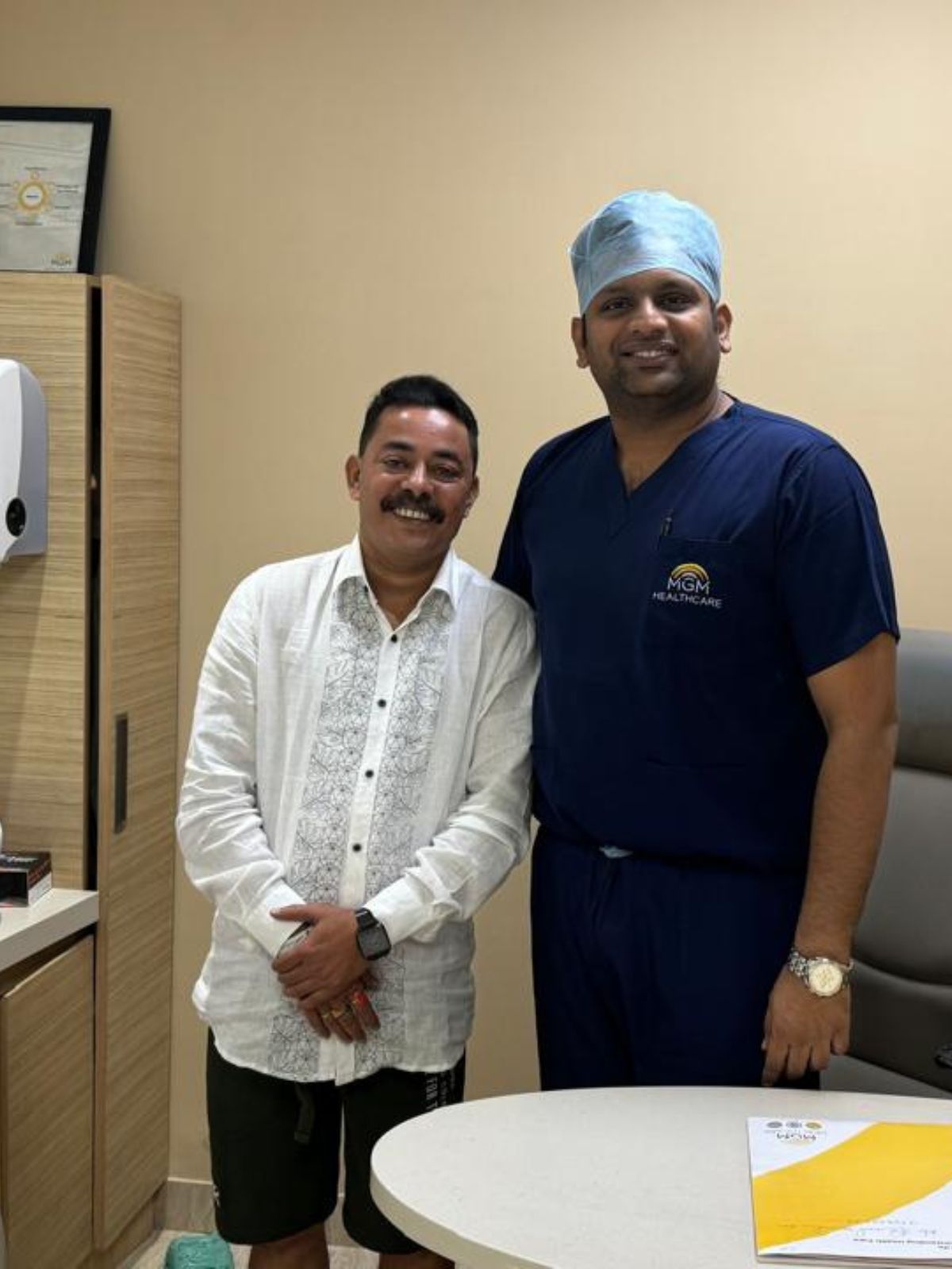
Dr. Shriram Krishnamoorthy at Shri Bone & Joint Clinic evaluates patients with hip, joint, and musculoskeletal conditions and can guide rehabilitation according to the diagnosis and functional limitations.
For physically active individuals recovering from musculoskeletal injuries, Aquatherapy for Sports Injury in Chennai may also be considered when reduced-impact exercise is useful during the transition back to normal training and activity.
What is the cost of Aquatherapy for Hip Pain in Chennai?
The cost varies according to the underlying hip condition, duration of rehabilitation, number of supervised sessions, and whether additional physiotherapy or strengthening is required.
| Category | Approx. Range (₹) |
| Non-surgical care / Diagnostics | ₹3,000 – ₹10,000 |
| Standard Therapy | Varies |
| Advanced Programs | Varies |
| Specialised Rehab | Varies |
| Physiotherapy & Rehab | ₹15,000 – ₹40,000 |
Some patients may require aquatherapy only during the early stages before transitioning to land-based exercise, while people with long-standing mobility limitations may require a longer rehabilitation program.
Insurance coverage for physiotherapy and rehabilitation depends on the individual policy. Patients should check with their insurer regarding eligibility, coverage limits, and required documentation.

Better Health Care is Our Mission
Phone
Shri Bone & Joint clinic
No.14/31, 3rd Avenue Indira Nagar, Adyar, Chennai-600020
Phone: 044 4505 5509