

Orthopedic conditions such as advanced knee arthritis, joint degeneration, and severe mobility limitations can significantly affect everyday activities. When non-surgical treatments no longer provide sufficient relief, orthopedic surgery may be recommended to improve joint function, reduce pain, and restore mobility.
Robotic orthopedic surgery in Chennai represents an advancement in selected orthopedic procedures by combining a surgeon's expertise with robotic-assisted technology. These systems provide additional information during surgery, helping orthopedic surgeons plan procedures, assess joint alignment, and perform certain surgical steps with greater precision.
At Shri Bone & Joint Clinic, Dr. Shriram Krishnamoorthy provides orthopedic evaluation and treatment planning for patients with joint problems that may require surgical intervention. The clinic's robotic-assisted approach focuses on knee replacement using the VELYS Robotic-Assisted Solution, a technology designed to support personalised surgical planning and accurate execution of selected steps during knee replacement surgery.
What Is Robotic Orthopedic Surgery?
Robotic orthopedic surgery refers to orthopedic procedures in which a surgeon uses a robotic-assisted system to support surgical planning, anatomical assessment, instrument guidance, or precise execution of selected surgical steps.
Unlike conventional orthopedic surgery, where the surgeon primarily relies on preoperative imaging, anatomical landmarks, and manual surgical instruments, robotic-assisted surgery can provide additional intraoperative measurements and guidance.
The technology may help the surgeon assess:
- Joint anatomy and alignment
- Bone positioning
- Implant placement
- Joint movement
- Soft-tissue balance
- Surgical accuracy
Different robotic systems are designed for different orthopedic procedures. Some are used for knee replacement, while others may support selected hip replacement or spine procedures.
At Shri Bone & Joint Clinic, the confirmed robotic-assisted technology is the VELYS system for knee replacement surgery.
Importantly, robotic orthopedic surgery does not mean that a robot independently operates on the patient. The orthopedic surgeon remains responsible for the procedure, with robotic technology functioning as an additional surgical assistance tool.
When Is Robotic Orthopedic Surgery Recommended?
Robotic-assisted orthopedic surgery may be considered when a patient's condition requires a procedure for which an appropriate robotic system is available.
The decision depends on the diagnosis, severity of joint damage, surgical requirements, patient health, and suitability of the available technology.
Advanced Knee Osteoarthritis
Knee osteoarthritis occurs when the protective cartilage covering the joint surfaces gradually deteriorates.
As the condition progresses, patients may experience pain, stiffness, swelling, reduced movement, and difficulty walking.
When arthritis becomes severe and appropriate non-surgical treatments no longer provide sufficient relief, robotic-assisted knee replacement may be considered.
Severe Knee Joint Degeneration
Advanced joint degeneration can affect the normal alignment and movement of the knee.
Patients may experience difficulty standing, climbing stairs, walking longer distances, or performing routine activities.
Robotic assistance can provide additional information to help the surgeon plan implant positioning and evaluate knee balance during replacement surgery.
Knee Deformity Associated With Arthritis
Certain patients develop bow-legged or knock-kneed alignment as knee arthritis progresses.
During robotic-assisted knee replacement, the surgeon can assess knee alignment and make patient-specific surgical decisions.
However, not every knee deformity requires robotic surgery, and complex deformities may need additional planning or alternative surgical techniques.
Persistent Pain Despite Non-Surgical Treatment
Patients who continue to experience substantial knee pain despite appropriate medication, physiotherapy, activity modification, injections, or other conservative treatments may require further orthopedic assessment.
Surgery is generally considered when symptoms, imaging findings, and functional limitations support the need for joint replacement.
Patients Requiring Joint Replacement Evaluation
Robotic-assisted techniques may be considered for selected patients undergoing knee replacement.
The surgeon determines whether robotic assistance is suitable based on the patient's anatomy, extent of arthritis, medical condition, and surgical requirements.
What Are the Benefits of Robotic Orthopedic Surgery?
The potential benefits of robotic orthopedic surgery depend on the specific procedure and technology used.
In knee replacement, robotic assistance provides additional surgical planning and guidance capabilities.
Greater Precision During Selected Surgical Steps
Robotic systems can help guide certain aspects of bone preparation and implant positioning.
This may improve the precision and consistency with which the surgeon executes the planned procedure.
Patient-Specific Surgical Planning
Every patient's joint anatomy, alignment, and degree of arthritis are different.
Robotic assistance allows the surgeon to incorporate patient-specific measurements into surgical planning.
Improved Assessment of Joint Alignment
Correct alignment is an important consideration in knee replacement surgery.
Robotic technology provides additional intraoperative information that can help the surgeon evaluate the position of replacement components.
Assessment of Joint Stability and Balance
A successful knee replacement requires attention to joint stability and soft-tissue balance.
Robotic-assisted measurements may help the surgeon assess the knee throughout its range of movement and make appropriate adjustments.
Reduced Dependence on Manual Estimation
Robotic technology can supplement traditional surgical measurements with additional guidance.
However, the surgeon's experience and judgement remain essential throughout the procedure.
Potential for Consistent Surgical Execution
Robotic assistance may help improve the consistency of selected technical steps.
Nevertheless, greater surgical precision does not automatically guarantee faster recovery, less postoperative pain, fewer complications, or better long-term results for every patient.









How Is Robotic Orthopedic Surgery Performed?
The exact procedure depends on the orthopedic condition and robotic system being used.
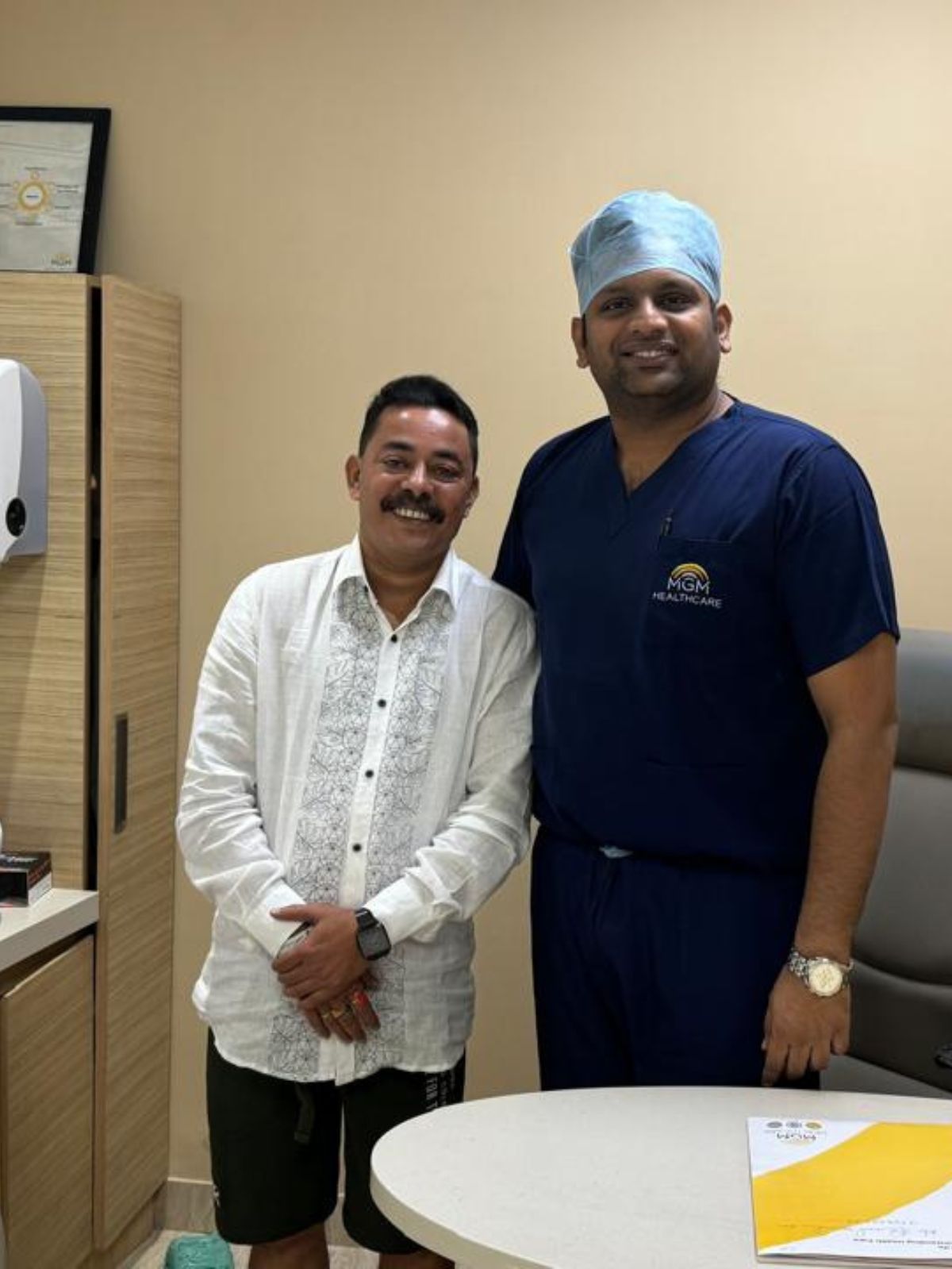
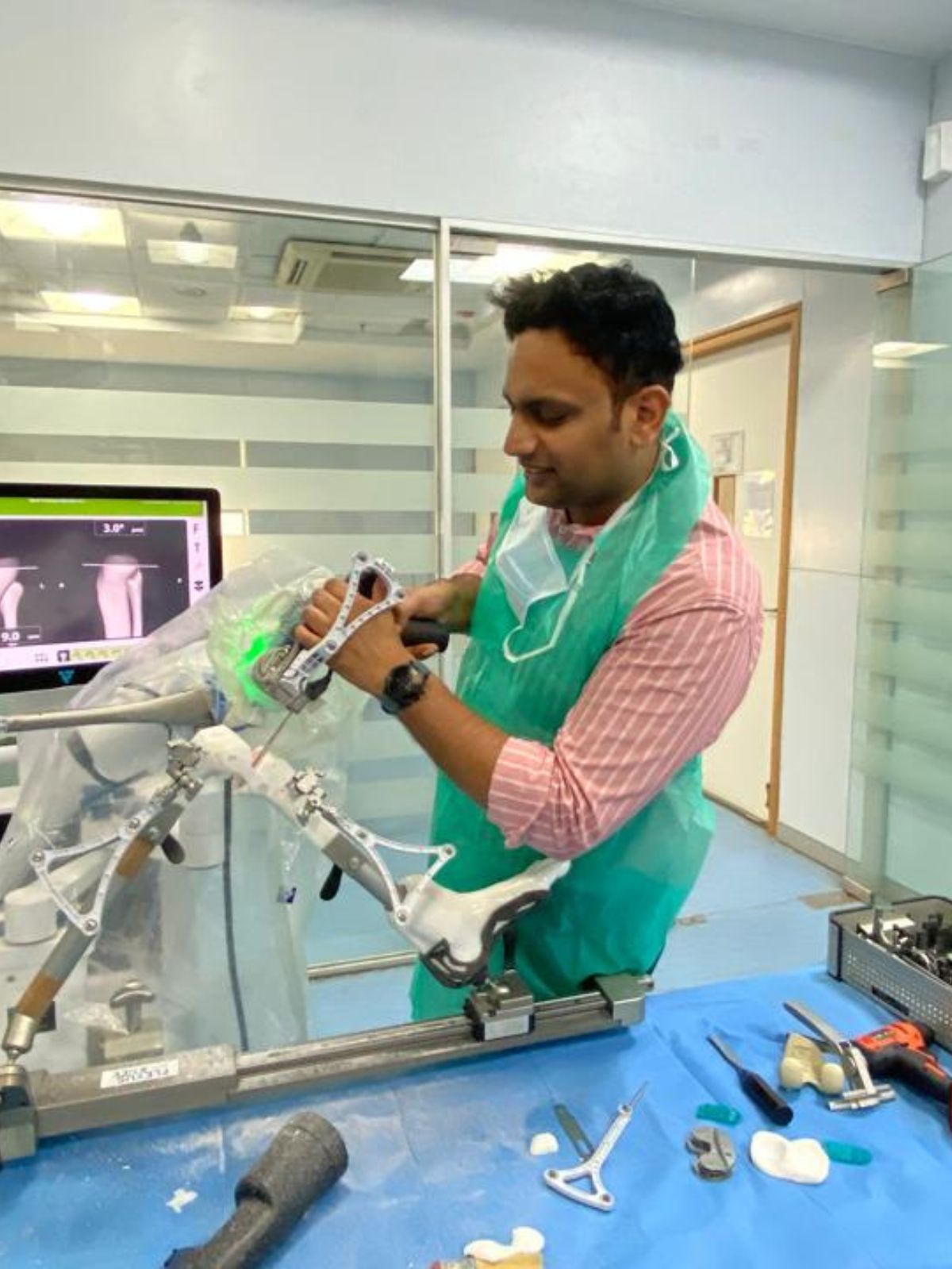
At Shri Bone & Joint Clinic, the robotic-assisted surgical approach centres on knee replacement using the VELYS Robotic-Assisted Solution.
Step 1: Orthopedic Consultation and Diagnosis
The process begins with a detailed clinical evaluation.
The orthopedic surgeon assesses the patient's symptoms, joint movement, stability, alignment, medical history, and previous treatment.
X-rays and other investigations may be recommended to understand the severity of joint damage.
Step 2: Determining Surgical Suitability
Not every patient with joint pain requires surgery.
The surgeon first considers whether non-surgical treatment remains appropriate.
When joint replacement is indicated, the surgeon evaluates whether robotic assistance is suitable for the planned procedure.
Step 3: Surgical Preparation
The patient undergoes appropriate preoperative assessment, including evaluation of medical fitness for surgery.
During the operation, anaesthesia is administered and the surgical team prepares the affected joint.
Step 4: Intraoperative Anatomical Assessment
The robotic-assisted system provides information about the patient's knee anatomy and alignment.
With the VELYS system, the robotic workflow does not require a preoperative CT scan specifically for robotic planning.
The surgeon uses intraoperative measurements to support patient-specific surgical decisions.
Step 5: Robotic-Assisted Surgical Guidance
During selected steps of knee replacement, the robotic system provides guidance for bone preparation.
The surgeon controls the procedure while using the system's measurements and guidance to execute the surgical plan.
Step 6: Implant Positioning and Joint Evaluation
After preparing the joint surfaces, the surgeon positions the artificial components.
Joint movement, stability, alignment, and soft-tissue balance are evaluated before completing the replacement.
Step 7: Surgical Completion and Rehabilitation
Once the implant has been assessed, the surgical site is closed.
The patient is monitored after surgery, and rehabilitation begins according to the treating team's postoperative protocol.
What Is Recovery Like After Robotic Orthopedic Surgery?
Recovery depends on the orthopedic procedure performed, the patient's general health, and the extent of the underlying joint damage.
For robotic-assisted knee replacement, recovery involves wound healing, pain management, progressive mobilisation, and physiotherapy.
Immediate Postoperative Care
During the early postoperative period, the medical team monitors the patient for pain, swelling, wound healing, circulation, and other clinical concerns.
Appropriate medication and postoperative precautions are provided.
Early Walking and Movement
Many knee replacement patients begin assisted standing and walking early after surgery when medically appropriate.
Walking aids may initially be required to maintain safety and balance.
Physiotherapy and Muscle Strengthening
Rehabilitation is important for improving movement and functional recovery.
A physiotherapy programme may include:
- Knee bending and straightening exercises
- Quadriceps activation
- Progressive strengthening
- Walking practice
- Balance training
- Stair-climbing exercises
- Functional movement training
Returning to Daily Activities
Patients gradually resume activities such as walking independently, standing, sitting, climbing stairs, and performing routine tasks.
The pace of recovery varies according to individual healing, muscle strength, medical conditions, and rehabilitation progress.
How Long Does Recovery Take After Robotic Orthopedic Surgery?
There is no single recovery timeline for every robotic orthopedic procedure.
For robotic-assisted knee replacement, recovery generally progresses through several stages.
| Recovery Period | General Recovery Expectations |
| First 1–3 days | Pain management, monitoring, assisted mobilisation |
| Weeks 1–2 | Wound healing, swelling management, gentle exercises |
| Weeks 3–6 | Improved walking, mobility, and progressive strengthening |
| Weeks 6–12 | Further improvements in knee function and daily activities |
| 3–6 months | Continued gains in strength, endurance, and mobility |
| 6–12 months | Additional functional improvements may continue |
These timelines are general estimates rather than guaranteed recovery milestones.
Robotic assistance does not eliminate the need for rehabilitation or guarantee a shorter recovery period than conventional surgery.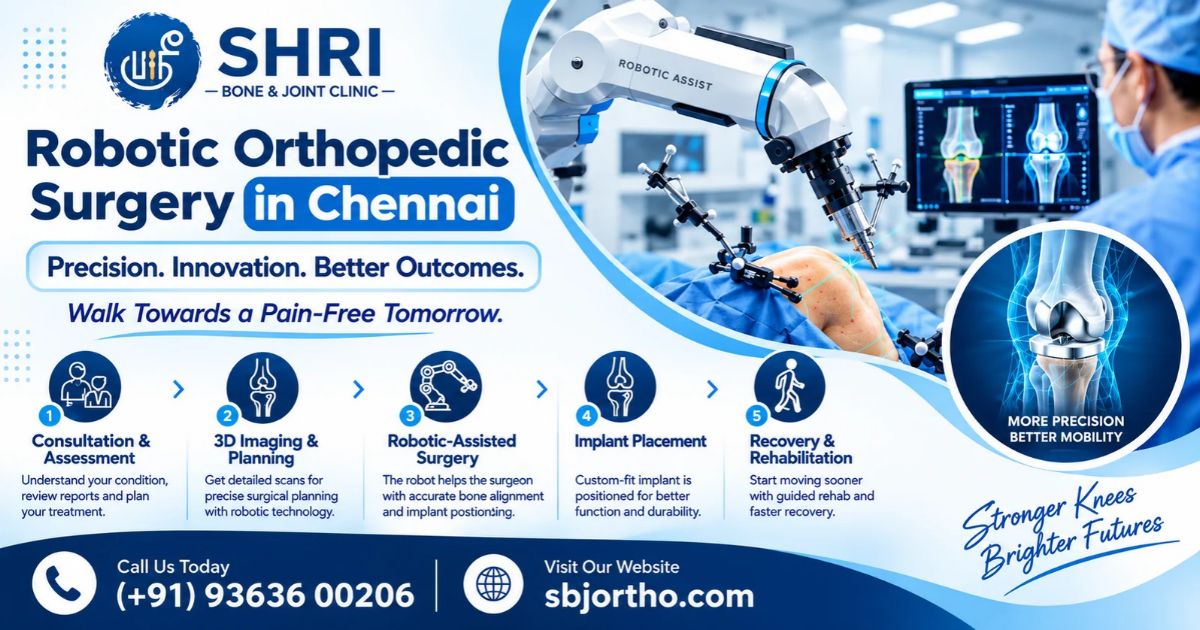
Which Is the Best Hospital for Robotic Orthopedic Surgery in Chennai?
Patients considering robotic orthopedic surgery should choose a treatment centre that offers appropriate diagnostic evaluation, relevant surgical expertise, suitable robotic technology, and structured postoperative rehabilitation.
Shri Bone & Joint Clinic provides orthopedic evaluation and treatment planning for patients with knee arthritis and other bone and joint conditions.
The clinic's robotic-assisted knee replacement approach uses the VELYS system to support intraoperative planning, implant positioning, and surgical guidance.
Patients with advanced knee arthritis affecting multiple joint compartments can explore Robotic Total Knee Replacement in Chennai, where damaged joint surfaces are replaced using artificial components with robotic assistance.
Patients interested in the technology itself can also learn about VELYS Robotic Knee Replacement in Chennai, including its CT-free workflow and role in assisting the surgeon during selected steps of knee replacement.
The appropriate treatment depends on the patient's diagnosis, severity of joint damage, overall health, and surgical requirements.
Who Is the Best Doctor for Robotic Orthopedic Surgery in Chennai?
Choosing an orthopedic surgeon is an important part of deciding whether robotic-assisted surgery is appropriate.
The treating surgeon should be able to evaluate the patient's condition, explain available treatment options, determine whether surgery is necessary, and select a suitable surgical technique.
Dr. Shriram Krishnamoorthy at Shri Bone & Joint Clinic provides orthopedic consultation and treatment planning for patients with knee arthritis, joint degeneration, and other musculoskeletal conditions.
Patients looking for an Orthopedic Specialist in Chennai can consult Dr. Shriram for a detailed evaluation and discussion of appropriate surgical and non-surgical treatment options.
Patients considering knee replacement can also explore information about the Best Robotic Knee Replacement Surgeon in Chennai to understand the importance of surgeon experience, surgical planning, robotic technology, and rehabilitation when selecting a treatment provider.
Robotic technology is an additional surgical tool, but the surgeon remains responsible for patient selection, operative decisions, implant positioning, and postoperative management.
What Is the Cost of Robotic Orthopedic Surgery in Chennai?
The cost of robotic orthopedic surgery depends on the specific procedure, patient's condition, robotic technology, implant requirements, hospital facilities, and postoperative care.
There is no single fixed cost applicable to every robotic orthopedic procedure.
| Category | Approx. Range (₹) |
| Non-surgical care / Diagnostics | ₹3,000 – ₹10,000 |
| Standard Therapy | Varies |
| Advanced Programs | Varies |
| Specialised Rehab | Varies |
| Physiotherapy & Rehab | ₹15,000 – ₹40,000 |
These figures are illustrative estimates for selected diagnostic, non-surgical, and rehabilitation services. They do not represent the total price of robotic orthopedic surgery.
Surgical expenses may additionally include:
- Hospital admission
- Operating-room charges
- Robotic technology-related expenses
- Implant costs
- Surgeon fees
- Anaesthesia charges
- Diagnostic investigations
- Medications
- Postoperative rehabilitation
Is Robotic Orthopedic Surgery Covered by Health Insurance?
Some medically necessary orthopedic procedures may qualify for health insurance coverage.
However, coverage for robotic-assisted technology and associated expenses varies according to the insurance policy, procedure, hospital, insurer requirements, and applicable terms.
Patients should verify their policy benefits, exclusions, waiting periods, and pre-authorisation requirements before proceeding with surgery.
FAQs
1. What is robotic orthopedic surgery?
Robotic orthopedic surgery involves the use of robotic-assisted technology to support an orthopedic surgeon during selected surgical procedures.
Depending on the system, the technology may provide anatomical measurements, surgical planning assistance, and guidance for precise bone preparation or implant positioning. The surgeon remains responsible for controlling and performing the operation.
2. Is robotic orthopedic surgery better than conventional orthopedic surgery?
Robotic assistance can improve the precision and consistency of certain technical aspects of selected orthopedic procedures.
However, it is not automatically superior for every patient or condition. Clinical outcomes depend on the diagnosis, surgeon's expertise, implant selection, patient health, rehabilitation, and other factors.
3. Can robotic orthopedic surgery be used for knee and hip replacement?
Different robotic systems are designed to assist with different orthopedic procedures, including selected knee and hip replacements.
However, a robotic system intended for knee replacement cannot automatically be used for hip replacement. At Shri Bone & Joint Clinic, the confirmed robotic-assisted technology is VELYS for knee replacement.
4. Is robotic orthopedic surgery safe?
Robotic-assisted orthopedic surgery is performed under the supervision and control of a trained orthopedic surgeon.
As with conventional orthopedic surgery, potential risks include infection, blood clots, nerve or blood-vessel injury, stiffness, implant-related problems, and anaesthesia-related complications. Robotic assistance does not eliminate these risks.
5. How do I know whether robotic orthopedic surgery is suitable for me?
Suitability depends on the orthopedic diagnosis, severity of joint damage, symptoms, previous treatment, medical condition, and type of surgery required.
An orthopedic consultation, clinical examination, and appropriate imaging help determine whether surgery is necessary and whether robotic assistance is appropriate for the planned procedure.

Better Health Care is Our Mission
Get an immediate relief to your knee-related problems from Shri Bone & Joint Clinic.
Phone
Shri Bone & Joint clinic
No.14/31, 3rd Avenue Indira Nagar, Adyar, Chennai-600020
Phone: 044 4505 5509