
What is Spine Recovery Without Surgery?
Spine recovery without surgery refers to a structured, non-operative approach used to manage back pain, neck pain, disc-related problems, nerve irritation, stiffness, and other spine conditions without immediately proceeding to an operation.
For many patients, spine problems affect more than pain alone. Sitting through a working day may become difficult, walking may feel uncomfortable, sleep can be disturbed, and people may begin avoiding bending, lifting, travelling, or exercising because they are worried about making the condition worse.
Non-surgical recovery focuses on gradually changing this situation.
Depending on the underlying problem, treatment may involve physiotherapy, mobility exercises, progressive strengthening, posture and movement training, activity modification, and specialised rehabilitation techniques.
The aim is not simply to make the pain disappear temporarily. A successful rehabilitation program works towards improving how the spine moves, strengthening the muscles that support it, restoring everyday function, and helping the patient become physically active again.
Importantly, non-surgical treatment is not suitable for every spine condition. A proper medical assessment is needed to determine whether conservative rehabilitation is appropriate or whether further intervention should be considered.
When is Spine Recovery Without Surgery recommended?
Many spine conditions are initially managed conservatively, particularly when there is no immediate indication for surgery.
Non-surgical rehabilitation may be considered for people experiencing:
- Persistent lower back pain
- Chronic neck pain
- Recurrent episodes of spine pain
- Disc bulges
- Certain herniated disc symptoms
- Degenerative disc changes
- Sciatica
- Nerve irritation
- Reduced spinal mobility
- Muscle weakness around the spine
- Posture-related discomfort
- Difficulty sitting or standing for long periods
- Pain during bending or lifting
- Reduced physical activity because of spine pain
It may also be suitable for people who have already tried rest or basic home exercises but continue to experience symptoms.
The decision should be based on the diagnosis rather than simply on how severe the pain feels. Some painful conditions respond well to rehabilitation, while certain neurological symptoms require closer medical attention.
What are the benefits of Spine Recovery Without Surgery?
A non-surgical approach allows treatment to focus on restoring function while avoiding an operation when surgery is not medically necessary.
Potential benefits include:
- Improving spinal mobility
- Reducing stiffness
- Building core and back strength
- Improving movement control
- Increasing tolerance for sitting and standing
- Improving posture and body mechanics
- Supporting recovery from certain disc-related problems
- Improving confidence with bending and lifting
- Helping patients return to work and exercise
- Reducing dependence on prolonged rest
- Supporting long-term self-management
Another important benefit is that rehabilitation can be adjusted as the patient improves.
Someone who initially struggles to walk comfortably may begin with gentle mobility work. As symptoms settle, the same person can gradually progress towards strengthening, functional movements, and more demanding physical activity.
This progressive approach makes rehabilitation relevant to the patient's actual stage of recovery.


How is Spine Recovery Without Surgery performed?
There is no single treatment that represents non-surgical spine recovery.
The process usually combines several approaches based on the underlying diagnosis and the patient's functional limitations.
Initial Assessment
Treatment begins by understanding the symptoms rather than immediately prescribing exercises.
The assessment may consider:
- Where the pain is located
- Whether pain travels into the arms or legs
- Numbness or tingling
- Muscle strength
- Spinal mobility
- Posture
- Walking and balance
- Activities that worsen symptoms
- Work and lifestyle demands
Previous scans or medical reports may also be reviewed when relevant.
Pain-Limited Mobility Work
During the early stages, patients may be uncomfortable with certain movements.
Gentle exercises are introduced to maintain mobility without repeatedly aggravating symptoms.
The aim is to prevent unnecessary stiffness while gradually restoring confidence in movement.
Physiotherapy
Physiotherapy can address limitations in mobility, strength, movement control, and everyday function.
Rather than relying only on passive treatment, rehabilitation gradually encourages the patient to become more active.
Core and Spine Strengthening
Muscles around the abdomen, pelvis, hips, and back help support the spine during movement.
Strengthening these areas can improve spinal stability and prepare the body for everyday activities.
Posture and Movement Training
Patients may need guidance on how to sit, stand, bend, lift, or perform work-related activities without repeatedly placing unnecessary stress on sensitive areas.
This does not mean maintaining one "perfect posture" throughout the day. Regular movement and changing positions are often equally important.
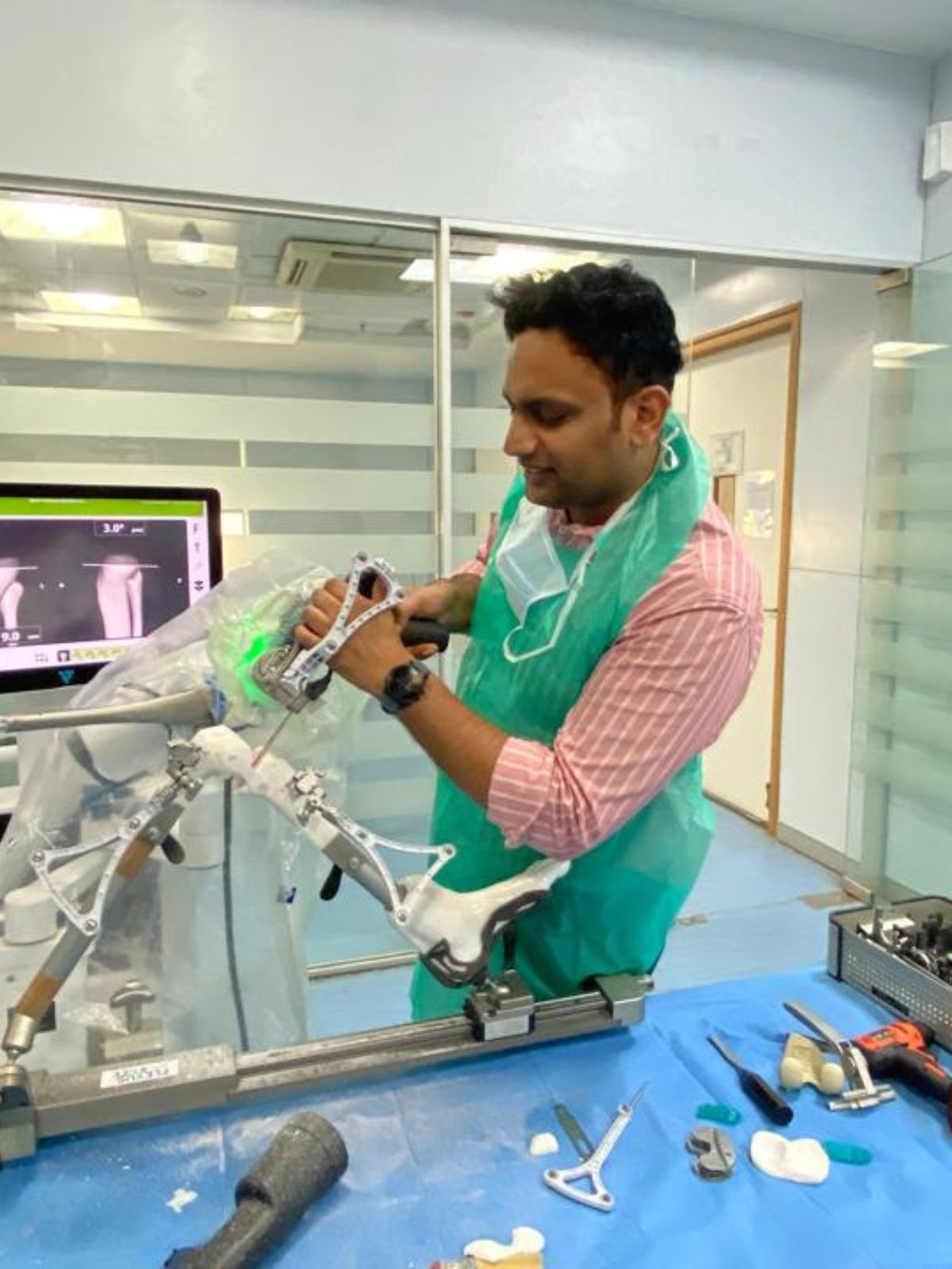
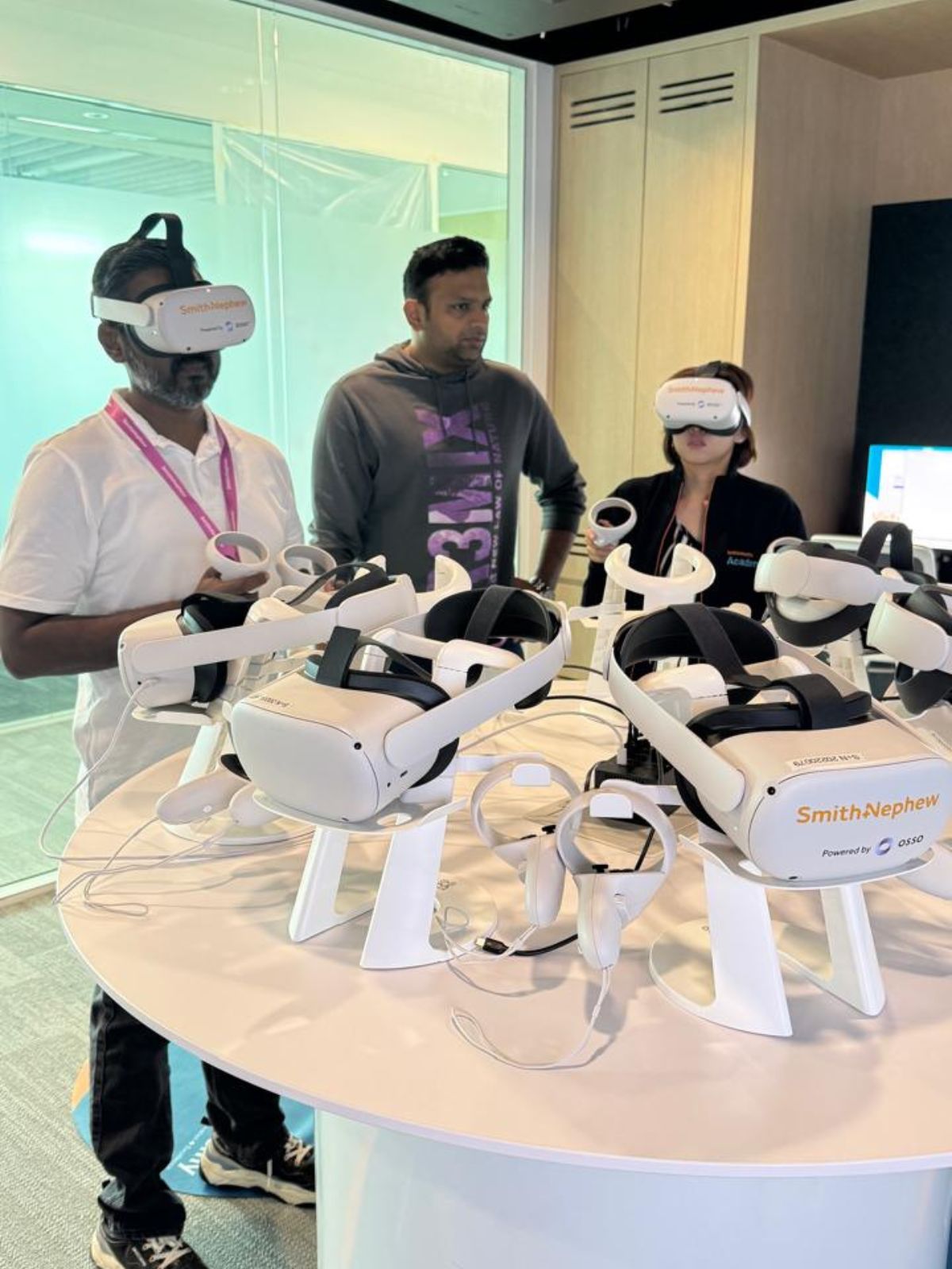
Technology-Assisted Rehabilitation
For selected spine conditions, specialised equipment may be incorporated into rehabilitation.
The decision to use these treatments should depend on the patient's diagnosis and clinical assessment rather than being applied routinely to everyone with back or neck pain.
Functional Rehabilitation
As recovery progresses, exercises become increasingly relevant to real life.
A person returning to office work may focus on sitting tolerance and general conditioning, while someone with a physically demanding occupation may require progressive lifting and strength training.
What is the recovery process like?
Spine recovery is usually gradual.
Patients often expect recovery to follow a straight line where pain becomes slightly better every day. In practice, symptoms can fluctuate. A person may have several comfortable days followed by temporary soreness after increasing activity.
This does not automatically mean the condition is worsening.
Early Recovery
Initially, the priority is to understand which movements are tolerable and restore basic mobility.
Patients are encouraged to remain appropriately active rather than spending prolonged periods resting.
Building Strength
As symptoms become manageable, the program becomes more active.
Exercises may focus on the core, back, hips, legs, shoulders, or neck depending on the condition.
Returning to Daily Activities
Rehabilitation then begins to reproduce the physical demands of everyday life.
This may include:
- Longer periods of walking
- Sitting comfortably for work
- Bending
- Lifting
- Climbing stairs
- Driving
- Returning to exercise
Preventing Recurrence
The final stage is not simply reaching a pain-free day.
Patients need sufficient strength, mobility, and confidence to continue normal activities without constantly worrying about another episode.
A long-term exercise routine is therefore often an important part of recovery.
How long does it take to recover?
The recovery period depends heavily on the underlying spine condition.
As a broad guide:
- Mild or recent problems: around 2 to 6 weeks
- Persistent conditions: around 6 to 12 weeks
- Long-standing or complex spine problems: several months
These timelines should not be treated as guarantees.
A person who has experienced back pain for two weeks may recover very differently from someone who has avoided physical activity for two years because of recurring pain.
Recovery can also be influenced by:
- Age
- General health
- Muscle strength
- Duration of symptoms
- Nerve involvement
- Physical activity
- Work demands
- Consistency with rehabilitation
Progress should therefore be measured through improvements in movement and function as well as changes in pain.
Which is the best hospital for Spine Recovery Without Surgery in Chennai?
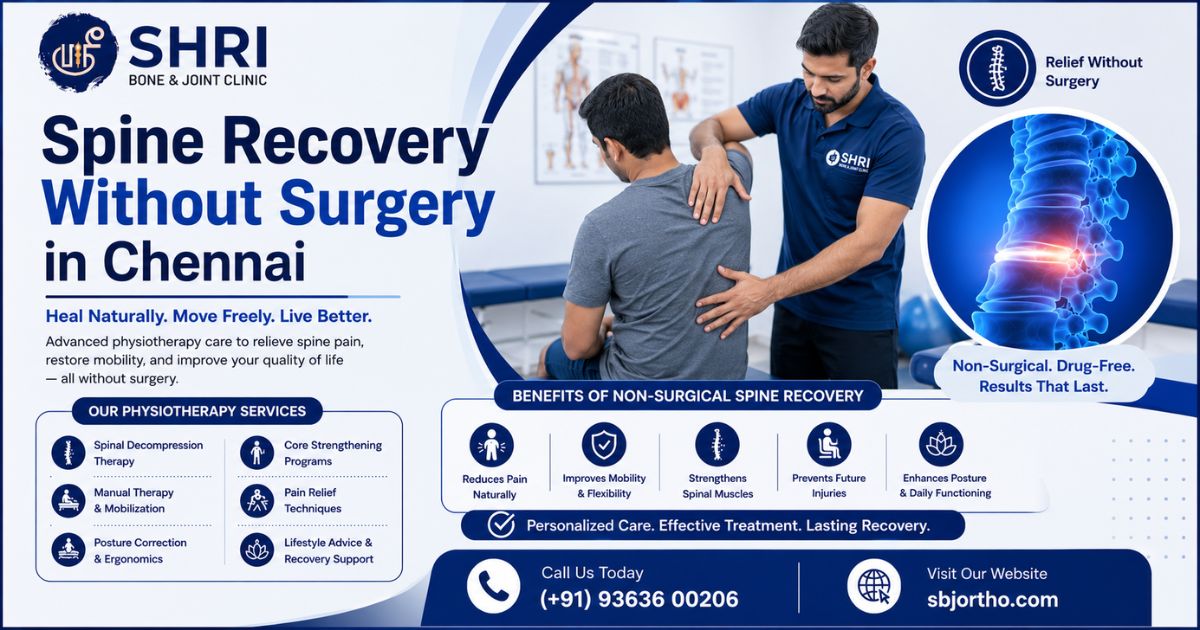
Patients looking for non-surgical spine rehabilitation should choose a centre where treatment can be adapted according to the diagnosis, symptoms, and stage of recovery.
At Shri Physio & Rehab, spine recovery programs can include Spine Pain Physiotherapy Treatment in Chennai to address mobility, strength, posture, and functional limitations.
For selected disc-related or compression-related conditions, Automated Spine Decompression Therapy in Chennai may also be considered after clinical assessment. The objective is to combine appropriate treatment with progressive rehabilitation rather than relying on a single technique for every spine problem.
Who is the best doctor for Spine Recovery Without Surgery in Chennai?
Before beginning a non-surgical spine program, it is important to understand why the symptoms are occurring. Back or neck pain can arise from muscles, spinal joints, discs, nerves, age-related changes, or a combination of several factors.
An Orthopedic Specialist in Chennai can evaluate the symptoms, perform a clinical examination, review imaging when required, and determine whether conservative rehabilitation is appropriate.
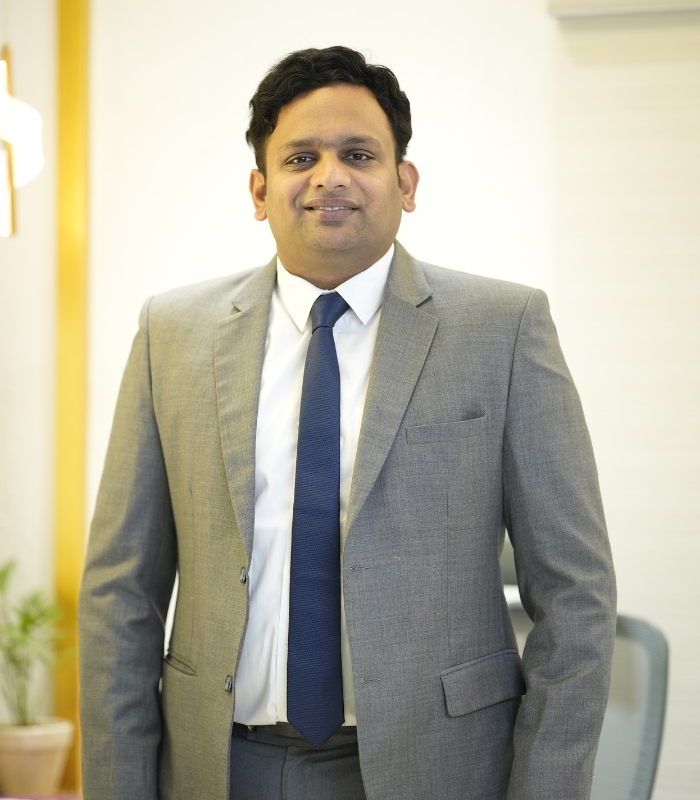
Dr. Shriram Krishnamoorthy at Shri Bone & Joint Clinic evaluates patients with spine and musculoskeletal conditions and guides treatment based on the underlying diagnosis and functional limitations.
For suitable patients who require technology-assisted rehabilitation, Robotic Treatment for Spine in Chennai may be considered as one component of a broader non-surgical recovery program that also addresses mobility, strength, and long-term function.
What is the cost of Spine Recovery Without Surgery in Chennai?
The cost of non-surgical spine treatment varies according to the underlying condition and the rehabilitation required.
| Category | Approx. Range (₹) |
| Non-surgical care / Diagnostics | ₹3,000 – ₹10,000 |
| Standard Therapy | Varies |
| Advanced Programs | Varies |
| Specialised Rehab | Varies |
| Physiotherapy & Rehab | ₹15,000 – ₹40,000 |
The overall expense may depend on the number of sessions, duration of rehabilitation, severity of symptoms, and whether specialised treatment is required in addition to physiotherapy and exercise.
Insurance coverage varies according to the policy and treatment provided. Patients should check directly with their insurer regarding physiotherapy and rehabilitation benefits.

Better Health Care is Our Mission
Phone
Shri Bone & Joint clinic
No.14/31, 3rd Avenue Indira Nagar, Adyar, Chennai-600020
Phone: 044 4505 5509