

What is Modern Spine Rehabilitation?
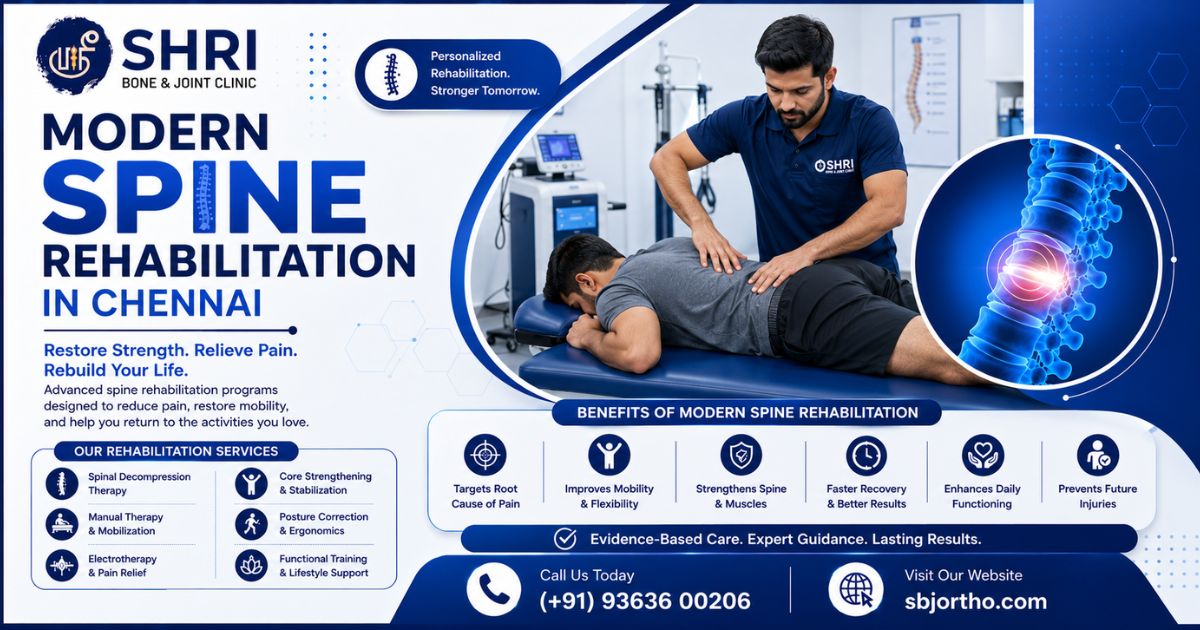
Modern spine rehabilitation is a structured approach to treating back, neck, disc, and nerve-related problems by combining clinical assessment, physiotherapy, progressive exercise, movement training, and appropriate rehabilitation technology.
Traditional thinking around back or neck pain often centred on prolonged rest and avoiding activities that caused discomfort. Modern rehabilitation takes a different approach. Once serious conditions have been ruled out, the focus is generally on helping the patient return to safe movement and gradually rebuild the physical capacity needed for everyday life.
This is important because spine pain can affect much more than the painful area itself. Someone who has experienced back pain for several months may begin walking less, avoiding exercise, changing the way they bend, or becoming hesitant to lift even light objects. Over time, these adaptations can contribute to weakness, stiffness, and reduced confidence.
Modern rehabilitation looks at this broader picture.
Treatment may address spinal mobility, muscle strength, core stability, posture, movement patterns, work demands, physical fitness, and the patient's confidence in using their body normally again.
Technology-assisted therapies may also be incorporated for selected conditions, but they do not replace active rehabilitation. The eventual goal is to help the patient become stronger, move comfortably, return to normal activities, and manage their spine independently.
When is Modern Spine Rehabilitation recommended?
Modern spine rehabilitation can be considered for a wide range of musculoskeletal and spine-related conditions.
It may be appropriate for people experiencing:
- Persistent lower back pain
- Chronic neck pain
- Recurrent back or neck pain
- Disc bulges
- Certain herniated disc conditions
- Degenerative disc changes
- Sciatica
- Nerve-related symptoms
- Reduced spinal mobility
- Muscle weakness
- Posture-related discomfort
- Difficulty returning to exercise
- Reduced physical activity because of pain
- Recovery after certain spine injuries
- Ongoing stiffness following a previous episode of back pain
It can also be helpful for people who have tried short-term treatments but continue to experience recurring symptoms whenever they return to work, travel, exercise, or other normal activities.
A clinical evaluation is important because the rehabilitation program needs to match the underlying diagnosis and the patient's current physical ability.
What are the benefits of Modern Spine Rehabilitation?
One of the main advantages of modern rehabilitation is that it focuses on improving the patient's overall function rather than treating pain as an isolated symptom.
Potential benefits include:
- Improving spinal mobility
- Reducing stiffness
- Strengthening the muscles supporting the spine
- Improving core stability
- Restoring confidence in movement
- Improving posture and movement awareness
- Increasing walking and sitting tolerance
- Supporting a gradual return to work
- Improving ability to bend and lift
- Increasing general physical fitness
- Supporting recovery from certain disc-related conditions
- Reducing fear associated with physical activity
- Encouraging long-term self-management
The rehabilitation process is also progressive.
A patient who is initially unable to exercise comfortably does not begin with demanding strength training. The program starts at an appropriate level and becomes more challenging as movement, strength, and confidence improve.
This allows treatment to evolve with the patient's recovery.


How is Modern Spine Rehabilitation performed?
Modern spine rehabilitation does not rely on a single exercise, machine, or therapy.
It usually involves several stages, beginning with assessment and progressing towards increasingly active rehabilitation.
Detailed Clinical Assessment
The first step is understanding the problem.
The rehabilitation team may assess:
- Location of pain
- Duration of symptoms
- Activities that trigger symptoms
- Spinal mobility
- Muscle strength
- Core control
- Posture
- Walking
- Balance
- Numbness or tingling
- Work-related physical demands
- Exercise history
Medical reports and imaging may also be reviewed when relevant.
Mobility Rehabilitation
Persistent pain often causes people to limit movement.
Gentle mobility exercises are introduced to help restore comfortable movement without repeatedly aggravating symptoms.
The objective is not to force flexibility but to gradually expand what the patient can comfortably do.
Strength and Stability Training
Strengthening is an important part of long-term spine rehabilitation.
Depending on the condition, exercises may target the:
- Abdominal muscles
- Lower back
- Hips
- Gluteal muscles
- Upper back
- Neck
- Shoulders
Rather than simply making individual muscles stronger, rehabilitation aims to improve how these areas work together during movement.
Movement and Posture Training
Patients may develop protective movement habits after experiencing pain for a long time.
For example, they may become excessively cautious when bending, twisting, or lifting.
Rehabilitation gradually reintroduces these movements in a controlled environment.
Practical guidance may also be provided for sitting, standing, computer work, driving, lifting, and other frequently performed activities.
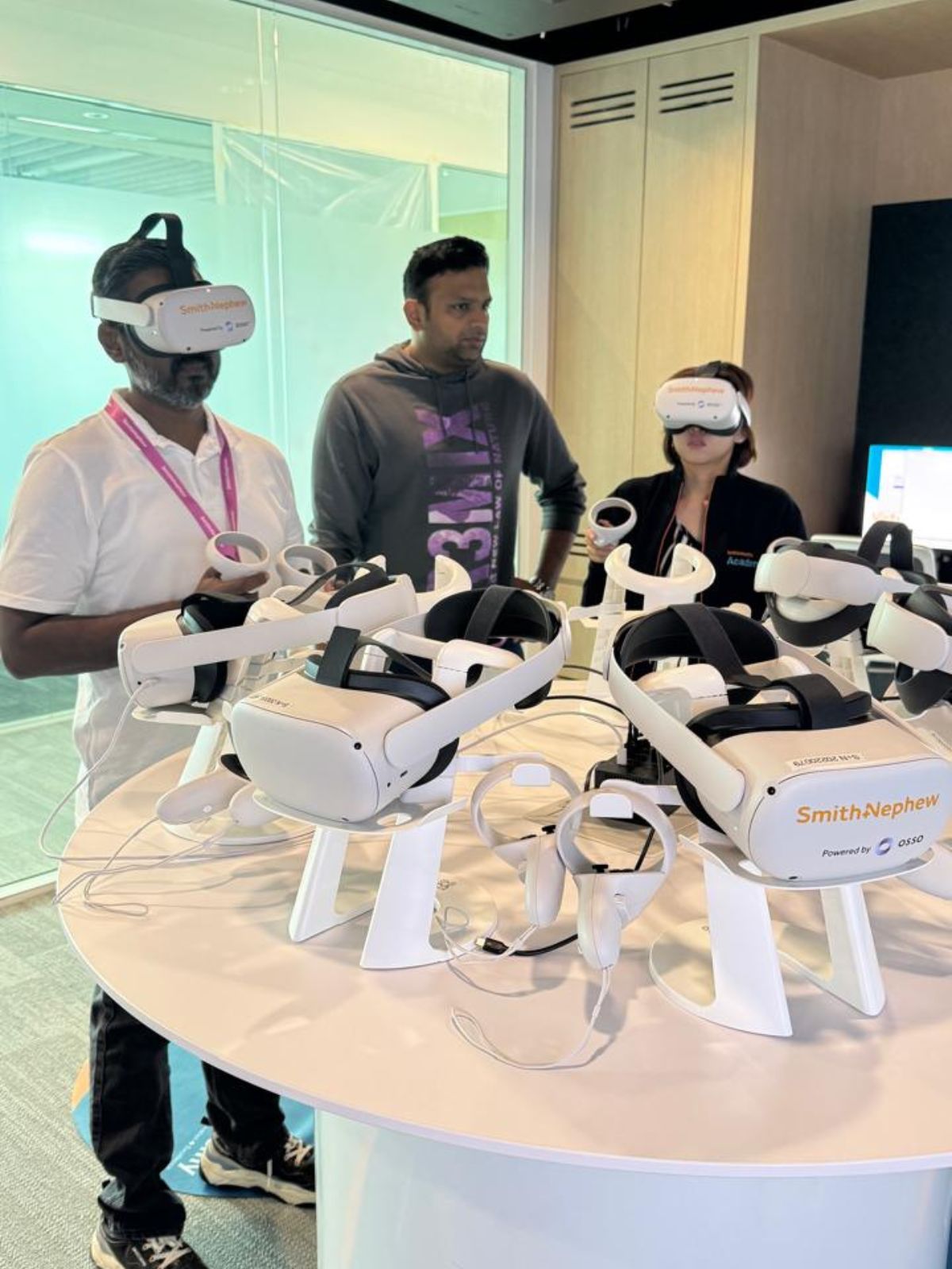
Technology-Assisted Treatment
Modern rehabilitation may include specialised equipment for selected patients.
Technology-assisted treatments can sometimes help manage mechanical or disc-related symptoms and make active rehabilitation more comfortable.
Whether such treatment is appropriate depends on the diagnosis. Technology should support rehabilitation rather than replace exercise and movement training.
Functional Rehabilitation
As the patient improves, exercises become more closely related to everyday life.
This could involve:
- Walking longer distances
- Squatting
- Bending
- Lifting
- Carrying objects
- Climbing stairs
- Returning to gym exercises
The goal is to prepare the body for real-world physical demands.
What is the recovery process like?
Modern spine rehabilitation usually progresses through several phases.
Phase 1: Restoring Comfortable Movement
During the early stage, treatment focuses on reducing unnecessary aggravation and helping the patient move more comfortably.
Gentle exercise is usually introduced rather than relying on prolonged rest.
Phase 2: Rebuilding Strength
Once movement becomes easier, the focus gradually shifts towards strengthening.
Patients work on the muscle groups that support the spine and contribute to efficient movement.
Phase 3: Increasing Physical Capacity
As strength improves, exercises become more demanding.
Patients may begin walking longer, lifting more, sitting for extended periods, or returning gradually to recreational activities.
Phase 4: Returning to Normal Life
Rehabilitation eventually needs to match the patient's lifestyle.
Someone who works at a desk has different physical demands from a person whose occupation involves frequent lifting. Similarly, an older adult returning to daily walking requires a different program from someone hoping to return to sports.
Phase 5: Independent Management
The final objective is independence.
Patients should understand which exercises help them, how to remain active, and what to do if mild symptoms return.
Long-term recovery is generally more sustainable when patients become confident in managing their own physical health.
How long does it take to recover?
Recovery time varies considerably because "spine pain" covers many different conditions.
As a broad guide:
- Mild or relatively recent conditions: approximately 2 to 6 weeks
- Persistent or moderate conditions: approximately 6 to 12 weeks
- Long-standing or complex spine problems: several months
These are general ranges rather than fixed recovery deadlines.
The duration can be influenced by:
- Diagnosis
- Duration of symptoms
- Nerve involvement
- Muscle weakness
- Age
- General fitness
- Work demands
- Physical activity
- Consistency with rehabilitation
Progress should also be measured by function rather than pain alone.
Being able to walk farther, sit more comfortably, sleep better, return to work, or perform an activity that was previously difficult can all indicate meaningful recovery even when occasional discomfort remains.
Which is the best hospital for Modern Spine Rehabilitation in Chennai?
Patients seeking modern spine rehabilitation should look for a centre that can combine clinical assessment with active physiotherapy, progressive strengthening, functional training, and specialised rehabilitation when appropriate.
At Shri Physio & Rehab, patients can undergo Spine Pain Physiotherapy Treatment in Chennai based on their symptoms, mobility, strength, and functional limitations.
For patients looking for Spine Recovery Without Surgery in Chennai, the rehabilitation plan can be progressed from symptom management towards strengthening, movement training, and a gradual return to normal daily activities rather than relying on prolonged rest.
Who is the best doctor for Modern Spine Rehabilitation in Chennai?
The same symptom can sometimes have different underlying causes. Lower back pain, for example, may arise from muscular problems, spinal joints, discs, nerves, or a combination of several factors.
An Orthopedic Specialist in Chennai can assess the condition, identify whether further investigation is necessary, and determine whether rehabilitation is an appropriate treatment pathway.
Dr. Shriram Krishnamoorthy at Shri Bone & Joint Clinic evaluates patients with spine and musculoskeletal conditions and recommends treatment according to their diagnosis and functional needs.
For selected patients who may benefit from technology-assisted rehabilitation, Advanced Spine Therapy Machine Treatment in Chennai can also be considered as one component of the overall recovery program alongside physiotherapy, exercise, and functional rehabilitation.
What is the cost of Modern Spine Rehabilitation in Chennai?
The cost depends on the underlying spine condition, duration of rehabilitation, number of sessions required, and whether specialised therapies are included.
| Category | Approx. Range (₹) |
| Non-surgical care / Diagnostics | ₹3,000 – ₹10,000 |
| Standard Therapy | Varies |
| Advanced Programs | Varies |
| Specialised Rehab | Varies |
| Physiotherapy & Rehab | ₹15,000 – ₹40,000 |
A relatively straightforward condition may require a shorter rehabilitation period, while chronic or complex spine problems may require a longer, progressively structured program.
Insurance coverage for physiotherapy and rehabilitation varies according to the individual policy. Patients should check with their insurance provider regarding coverage, limits, and required documentation.

Better Health Care is Our Mission
Phone
Shri Bone & Joint clinic
No.14/31, 3rd Avenue Indira Nagar, Adyar, Chennai-600020
Phone: 044 4505 5509