

Living with osteoarthritis can make everyday activities such as walking, climbing stairs, standing for long periods, and getting up from a chair increasingly difficult. Joint pain, stiffness, and reduced mobility may gradually affect independence, physical activity, and overall quality of life. However, osteoarthritis does not always require surgery, and appropriate physiotherapy can help many patients manage their symptoms and remain active.
Osteoarthritis physiotherapy in Chennai focuses on reducing pain, improving joint mobility, strengthening the muscles surrounding affected joints, and helping patients perform daily activities more comfortably. A structured physiotherapy programme can be beneficial for people experiencing osteoarthritis in the knees, hips, hands, and other joints.
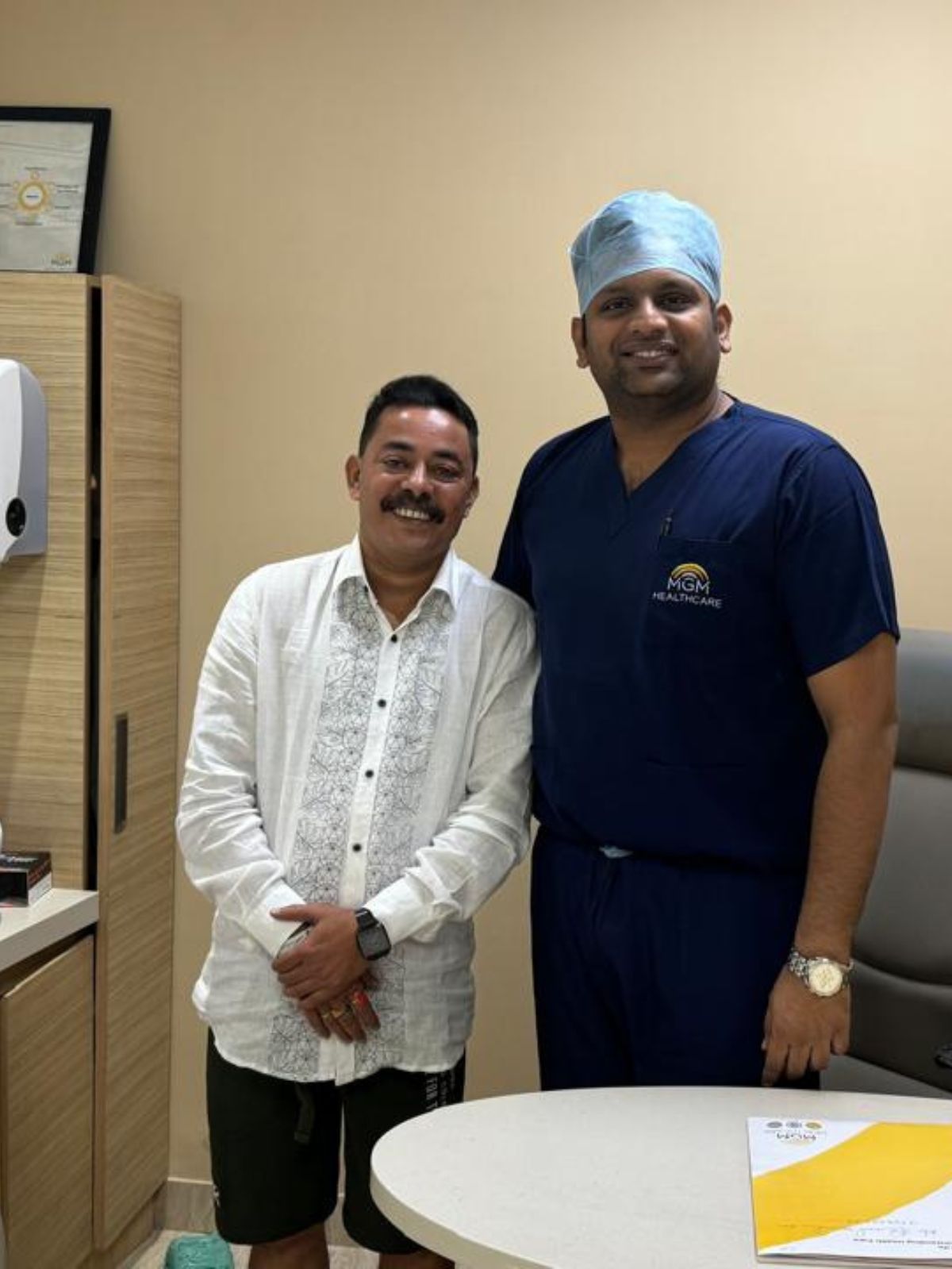
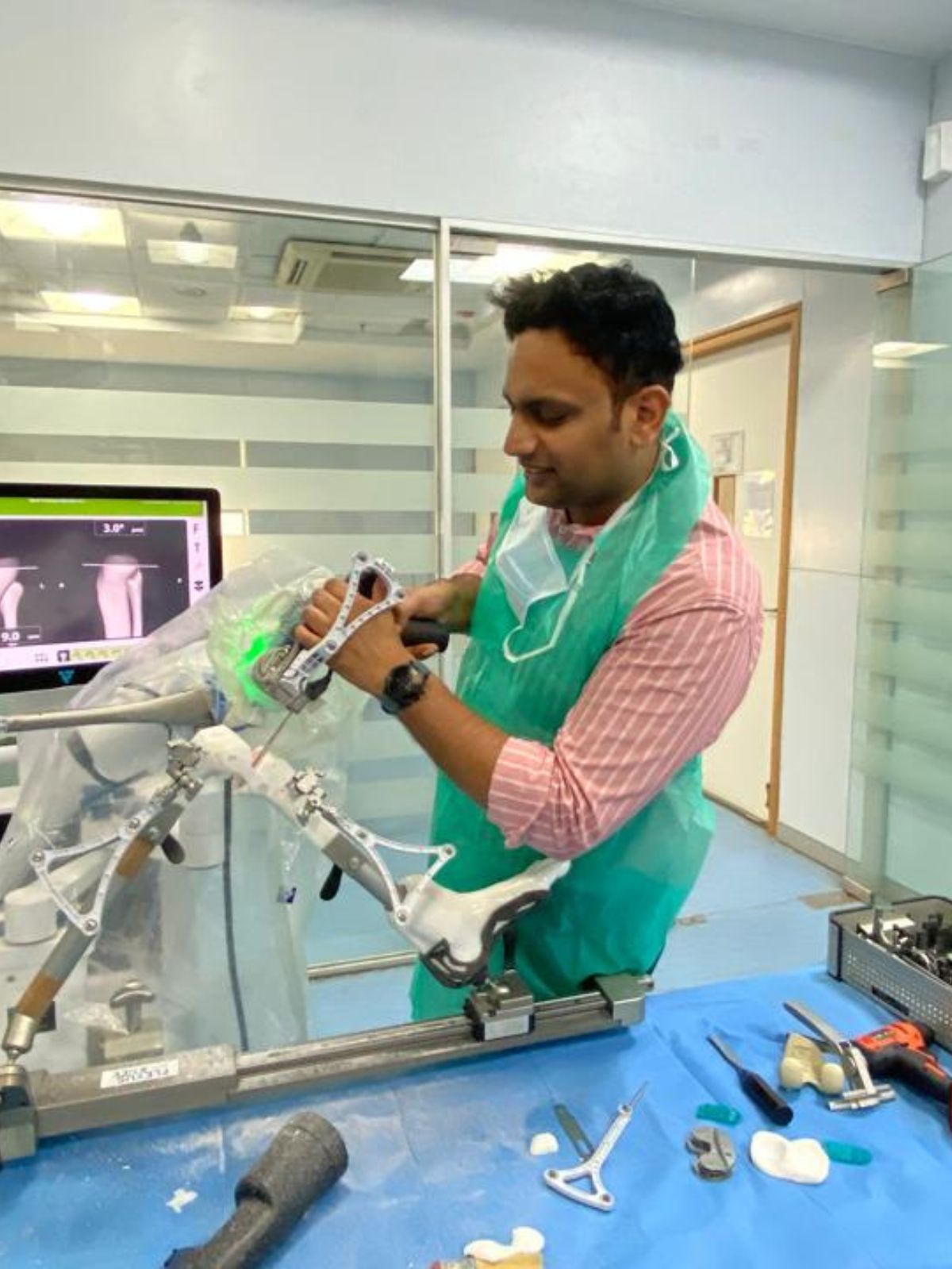
At Shri Bone & Joint Clinic, Dr. Shriram Krishnamoorthy provides orthopedic evaluation and treatment planning for patients with osteoarthritis and other degenerative joint conditions. Rehabilitation support through Shri Physio & Rehab focuses on individualised exercises, functional strengthening, movement training, and long-term joint care.
Whether osteoarthritis is in its early stages or has progressed to more significant joint damage, physiotherapy can play an important role in maintaining mobility and improving physical function.
What Is Osteoarthritis Physiotherapy?
Osteoarthritis physiotherapy is a non-surgical treatment approach that uses therapeutic exercises, movement training, strengthening, and patient education to help manage symptoms associated with joint degeneration.
Osteoarthritis develops when the tissues within a joint undergo progressive changes, including deterioration of the protective cartilage covering the ends of bones. These changes may be accompanied by inflammation, bony growths, stiffness, and reduced joint movement.
Although osteoarthritis can affect several joints, it commonly involves:
- Knee osteoarthritis: Causes pain, stiffness, and difficulty walking or climbing stairs.
- Hip osteoarthritis: May cause pain in the groin, thigh, or buttock, along with reduced hip movement.
- Hand osteoarthritis: Can affect grip strength, finger movement, and everyday hand activities.
- Spinal osteoarthritis: May contribute to back or neck pain and stiffness, although symptoms can have several causes.
- Other joint osteoarthritis: May affect joints such as the shoulder or ankle, depending on individual circumstances.
Physiotherapy does not reverse established cartilage loss. Instead, it aims to improve the function of the muscles and other structures supporting the affected joint.
How Does Physiotherapy Help Osteoarthritis?
Physiotherapy helps patients manage osteoarthritis by improving muscle strength, joint movement, balance, and physical capacity.
A structured programme may include:
- Joint mobility exercises
- Muscle strengthening
- Low-impact aerobic activity
- Balance and coordination training
- Walking and gait training
- Functional movement exercises
- Activity modification guidance
- Home exercise programmes
- Education about long-term symptom management
The exercises are selected according to the affected joint, symptom severity, medical history, and physical abilities.
What Are the Symptoms of Osteoarthritis?
Osteoarthritis symptoms often develop gradually and may vary between patients.
Common symptoms include:
- Pain during joint movement
- Stiffness after rest or inactivity
- Difficulty walking or standing
- Reduced joint flexibility
- Swelling around the affected joint
- Grinding or clicking sensations
- Muscle weakness
- Difficulty climbing stairs
- Reduced tolerance for physical activity
- Changes in joint alignment in advanced cases
Symptoms do not always match the severity of changes seen on X-rays. A physiotherapy programme should therefore be based on both clinical findings and the patient's functional limitations.
When Is Osteoarthritis Physiotherapy Recommended?
Physiotherapy is recommended for many patients with symptomatic osteoarthritis, including those with early-stage, moderate, and advanced joint degeneration.
The treatment plan depends on pain levels, joint movement, muscle strength, and the patient's ability to perform everyday activities.
Early-Stage Osteoarthritis
Patients with early osteoarthritis may experience occasional joint pain or stiffness during certain activities.
Physiotherapy can help improve strength, maintain flexibility, and support continued physical activity.
Early exercise-based management may also help patients develop habits that support long-term joint health.
Moderate Osteoarthritis With Persistent Pain
Patients with moderate osteoarthritis may experience pain during walking, climbing stairs, or prolonged standing.
A structured programme can help improve muscle support around the joint and increase tolerance for daily activities.
Advanced Osteoarthritis
Patients with advanced osteoarthritis may experience substantial stiffness, pain, weakness, and mobility limitations.
Physiotherapy can still be useful for improving strength, balance, and functional ability.
However, when joint damage is severe and symptoms remain disabling despite appropriate treatment, orthopedic evaluation for surgical options may be necessary.
Joint Stiffness After Prolonged Rest
Many patients experience stiffness after waking up or sitting for extended periods.
Gentle mobility exercises and regular physical activity can help reduce movement-related stiffness.
Difficulty Walking or Climbing Stairs
Weakness around the knees and hips can make walking and stair climbing more difficult.
Physiotherapy focuses on strengthening the muscles required for these activities and improving movement control.
Reduced Balance and Confidence
Osteoarthritis-related pain and weakness may affect balance, particularly in older adults.
Balance training and functional exercises can help improve stability and reduce limitations during everyday movement.
Before or After Joint Replacement Surgery
Physiotherapy may be recommended before joint replacement to improve muscle strength and physical preparation.
After surgery, a separate postoperative rehabilitation programme helps restore movement, walking ability, and functional independence.
The exercises and precautions differ between non-surgical osteoarthritis management and postoperative rehabilitation.
What Are the Benefits of Osteoarthritis Physiotherapy?
Physiotherapy can provide meaningful improvements in pain, movement, and physical function for many patients with osteoarthritis.
The expected benefits depend on the affected joint, severity of symptoms, consistency with exercises, and individual response.
Reduction in Joint Pain
Regular therapeutic exercise can help reduce osteoarthritis-related pain.
Improved muscle strength and physical conditioning may make everyday movements more comfortable.
Pain relief usually develops gradually rather than immediately after one session.
Improved Joint Flexibility
Mobility exercises help maintain or improve the available range of movement in affected joints.
This can make activities such as bending the knee, reaching, sitting, and walking easier.
Stronger Muscles Around the Joints
Muscles play an important role in supporting joint movement.
Strengthening the quadriceps, hamstrings, hip muscles, and other relevant muscle groups can improve functional stability and movement control.
Improved Walking Ability
Walking practice and lower-limb strengthening can help patients improve walking distance, endurance, and confidence.
Patients may also receive guidance on appropriate walking aids when necessary.
Better Balance and Coordination
Balance exercises help improve control during standing, turning, and walking.
This can be particularly valuable for patients who have reduced activity because of pain or fear of falling.
Improved Independence
Physiotherapy helps patients work towards performing daily activities such as:
- Getting up from chairs
- Walking indoors and outdoors
- Climbing stairs
- Shopping
- Performing household activities
- Entering and exiting vehicles
- Participating in recreational activities
Support for Long-Term Osteoarthritis Management
Regular exercise is an important part of managing osteoarthritis over time.
A sustainable home exercise programme can help patients maintain strength and mobility beyond supervised physiotherapy sessions.








How Is Osteoarthritis Physiotherapy Performed?
Osteoarthritis physiotherapy begins with an assessment of the patient's symptoms, joint movement, strength, balance, and functional limitations.
The physiotherapist develops a programme based on the affected joint and the patient's treatment goals.
Step 1: Physiotherapy Assessment
The initial assessment helps identify the main factors contributing to pain and reduced mobility.
The physiotherapist may evaluate:
- Joint pain and stiffness
- Range of movement
- Muscle strength
- Walking patterns
- Balance and coordination
- Ability to climb stairs
- Functional limitations
- Physical activity levels
- Previous injuries and medical conditions
The treatment plan is adjusted according to the findings.
Step 2: Joint Mobility Exercises
Mobility exercises help maintain or improve comfortable movement.
For knee osteoarthritis, exercises may include gentle knee bending and straightening.
For hip osteoarthritis, exercises may focus on controlled hip movement and flexibility.
The exercises should be performed within an appropriate range without forcing painful movement.
Step 3: Quadriceps Strengthening
The quadriceps muscles support knee movement during walking, standing, and climbing stairs.
Strengthening exercises may include:
- Quadriceps setting
- Seated knee extensions
- Supported sit-to-stand exercises
- Controlled mini-squats
- Step-up exercises
The exercise difficulty is increased gradually according to strength and symptom response.
Step 4: Hip and Gluteal Strengthening
Hip muscle strength is important for walking, balance, and lower-limb movement.
Exercises may include:
- Side-lying hip abduction
- Supported standing hip exercises
- Gluteal strengthening
- Resistance-band exercises
- Controlled functional movements
The physiotherapist selects exercises according to the patient's abilities and affected joints.
Step 5: Low-Impact Aerobic Exercise
Low-impact exercise helps improve cardiovascular fitness, endurance, and overall physical activity.
Suitable options may include:
- Walking
- Stationary cycling
- Swimming
- Water-based exercise
- Low-impact supervised exercise programmes
The intensity should be appropriate for the patient's symptoms and physical condition.
Patients who have been inactive for a long time may begin with short exercise sessions and gradually increase duration.
Step 6: Balance and Stability Training
Balance exercises help improve control during standing and walking.
Training may include supported weight shifting, single-leg balance exercises when appropriate, and controlled stepping activities.
Patients with significant weakness or a history of falls may require supervised exercises.
Step 7: Walking and Gait Training
Osteoarthritis can alter walking patterns because patients may avoid placing weight on a painful joint.
Gait training helps improve movement efficiency, walking confidence, and appropriate use of walking aids.
Patients may receive guidance on step length, walking speed, posture, and safe progression of activity.
Step 8: Functional Movement Training
Functional exercises focus on movements used during everyday activities.
Examples include:
- Sitting and standing from a chair
- Climbing steps
- Getting in and out of bed
- Carrying light objects
- Walking on different surfaces
- Practising safe bending movements
The programme is adapted to the patient's lifestyle and functional goals.
Step 9: Pain Management and Activity Modification
The physiotherapist may recommend temporary changes to activities that aggravate symptoms.
Patients are encouraged to remain active within tolerable limits rather than avoiding movement completely.
Heat, cold therapy, or selected manual techniques may provide temporary symptom relief for some patients, but exercise and education remain central to long-term management.
Step 10: Home Exercise Programme
A personalised home exercise programme helps patients continue rehabilitation outside supervised sessions.
The programme may include strengthening, mobility, walking, and balance exercises.
Patients are guided on exercise frequency, progression, and how to respond to temporary increases in symptoms.
Consistency is important for maintaining long-term benefits.
What Is Recovery Like With Osteoarthritis Physiotherapy?
Osteoarthritis is a chronic condition, so physiotherapy focuses on long-term symptom management rather than a permanent cure.
Many patients experience gradual improvements in pain, movement, and strength through consistent rehabilitation.
Initial Symptom Management
During the early treatment period, patients learn how to modify painful activities and perform suitable exercises.
Some patients may experience temporary muscle soreness as they begin strengthening.
The programme should be adjusted if exercises cause severe pain or prolonged worsening of symptoms.
Improving Joint Movement
As patients become more comfortable with exercise, the physiotherapist gradually increases movement and functional activity.
The goal is to improve flexibility without placing excessive stress on the affected joint.
Progressive Muscle Strengthening
Muscle strength generally improves over several weeks of consistent training.
Patients may notice that activities such as standing, walking, and climbing stairs become easier.
Increasing Physical Activity
As strength and confidence improve, patients can gradually increase walking distance and other suitable activities.
Exercise progression should be based on symptoms, endurance, and functional ability.
Long-Term Maintenance
Ongoing physical activity is important because the benefits of exercise can diminish when patients become inactive.
A sustainable maintenance programme helps support mobility and independence.
How Long Does Osteoarthritis Physiotherapy Take?
The duration of physiotherapy depends on the affected joint, arthritis severity, muscle strength, physical activity levels, and individual treatment goals.
| Treatment Stage | General Timeline | Primary Focus |
| Initial assessment | First session | Evaluation of pain, movement, strength, and function |
| Early physiotherapy | Weeks 1–2 | Exercise education, gentle mobility, symptom management |
| Progressive strengthening | Weeks 3–6 | Muscle strength, walking, and joint movement |
| Functional rehabilitation | Weeks 6–12 | Balance, endurance, stair climbing, and daily activities |
| Continued improvement | Months 3–6 | Progressive exercise and improved physical capacity |
| Long-term maintenance | Ongoing | Sustaining strength, mobility, and activity levels |
These are general estimates rather than guaranteed recovery timelines.
Some patients experience improvement within a few weeks, while others require a longer rehabilitation programme.
For many people with knee or hip osteoarthritis, an initial structured exercise programme of approximately 6–12 weeks provides a useful period for assessing progress.
Continued exercise is often recommended even after supervised sessions have ended.
Which Is the Best Hospital for Osteoarthritis Physiotherapy in Chennai?
Patients seeking osteoarthritis physiotherapy should choose a rehabilitation provider that offers individualised assessment, structured exercise programmes, and appropriate coordination with orthopedic care.
Shri Bone & Joint Clinic in Chennai provides orthopedic evaluation and treatment planning for patients experiencing degenerative joint conditions, chronic pain, and mobility limitations.
Shri Physio & Rehab can support patients through strengthening exercises, joint mobility training, balance exercises, and functional rehabilitation.
Patients experiencing pain and stiffness primarily in the knees can explore Knee Osteoarthritis Treatment in Chennai to understand how physiotherapy fits into a broader treatment plan that may also include medication, weight management, injections, or surgery when necessary.
For patients who have already undergone joint replacement, Physiotherapy After Knee Replacement in Chennai explains the different rehabilitation requirements involved in recovering from knee surgery.
The most suitable physiotherapy programme depends on whether the patient is managing osteoarthritis without surgery or recovering from an orthopedic procedure.
Who Is the Best Doctor for Osteoarthritis Physiotherapy in Chennai?
Osteoarthritis management often involves coordination between an orthopedic doctor and a physiotherapist.
The orthopedic doctor evaluates the affected joint, confirms the diagnosis, identifies conditions requiring additional treatment, and determines whether non-surgical management remains appropriate.
The physiotherapist develops and progresses exercises according to the patient's symptoms, physical abilities, and rehabilitation goals.
Dr. Shriram Krishnamoorthy at Shri Bone & Joint Clinic provides orthopedic consultation and treatment planning for patients experiencing osteoarthritis and other musculoskeletal conditions.
Patients looking for an Orthopedic Specialist in Chennai can consult Dr. Shriram for assessment of persistent joint pain, stiffness, reduced mobility, and treatment options.
Patients interested in rehabilitation following other orthopedic procedures can also explore Rotator Cuff Repair Surgery in Chennai, where postoperative physiotherapy follows a different approach designed to protect healing shoulder tendons.
For osteoarthritis, the primary objective is to improve function and manage symptoms through an appropriate combination of exercise, lifestyle modifications, and medical treatment when required.
What Is the Cost of Osteoarthritis Physiotherapy in Chennai?
The cost of osteoarthritis physiotherapy depends on the affected joint, severity of symptoms, number of supervised sessions, treatment duration, and individual rehabilitation requirements.
Some patients may need a short period of supervised physiotherapy followed by a home exercise programme.
Others may benefit from longer rehabilitation because of significant muscle weakness, reduced balance, or multiple affected joints.
| Category | Approx. Range (₹) |
| Non-surgical care / Diagnostics | ₹3,000 – ₹10,000 |
| Standard Therapy | Varies |
| Advanced Programs | Varies |
| Specialised Rehab | Varies |
| Physiotherapy & Rehab | ₹15,000 – ₹40,000 |
These are illustrative planning estimates rather than verified clinic prices or a personalised physiotherapy quotation.
The actual cost may depend on:
- Initial physiotherapy assessment
- Number of treatment sessions
- Joint mobility limitations
- Muscle strengthening requirements
- Balance and gait training
- Individual functional goals
- Home physiotherapy requirements
- Additional orthopedic evaluations when necessary
Patients should obtain a personalised treatment plan and cost estimate based on their clinical assessment.
Does Health Insurance Cover Osteoarthritis Physiotherapy?
Insurance coverage for physiotherapy depends on the patient's policy.
Some health insurance plans may provide outpatient rehabilitation benefits, while others cover physiotherapy only during hospitalisation or as part of eligible postoperative care.
Routine osteoarthritis physiotherapy may not be included in every policy.
Patients should verify reimbursement requirements, session limits, exclusions, and coverage conditions with their insurer.
FAQs
1. Is physiotherapy effective for osteoarthritis?
Yes. Exercise-based physiotherapy is a recommended treatment for many patients with knee and hip osteoarthritis.
Strengthening, mobility exercises, and low-impact aerobic activity can help reduce pain and improve physical function. However, the degree of improvement varies, and physiotherapy does not reverse established cartilage damage.
2. What is the best physiotherapy exercise for knee osteoarthritis?
Quadriceps strengthening, hip strengthening, gentle knee mobility exercises, and low-impact aerobic activity are commonly recommended for knee osteoarthritis.
The most appropriate programme depends on the patient's pain, strength, movement, and functional limitations. A combination of exercises is generally more useful than relying on a single movement.
3. Can physiotherapy prevent the need for knee replacement?
Physiotherapy can help many patients manage osteoarthritis symptoms and maintain mobility without immediate surgery.
However, it cannot guarantee that knee replacement will never be necessary. Patients with advanced arthritis and persistent disability despite appropriate treatment may still benefit from surgical evaluation.
4. How many physiotherapy sessions are needed for osteoarthritis?
The number of sessions depends on the affected joint, symptom severity, muscle strength, and rehabilitation goals.
Some patients benefit from a structured programme lasting approximately 6–12 weeks, with supervised sessions supplemented by home exercises. Long-term physical activity is often necessary to maintain improvements.
5. Is walking or cycling better for osteoarthritis?
Both walking and cycling can be beneficial for many patients with osteoarthritis.
Walking supports functional mobility and endurance, while stationary cycling can provide controlled, low-impact exercise. The better option depends on the affected joint, pain levels, balance, and individual preferences. Some patients benefit from combining both activities.

Better Health Care is Our Mission
Get an immediate relief to your knee-related problems from Shri Bone & Joint Clinic.
Phone
Shri Bone & Joint clinic
No.14/31, 3rd Avenue Indira Nagar, Adyar, Chennai-600020
Phone: 044 4505 5509